
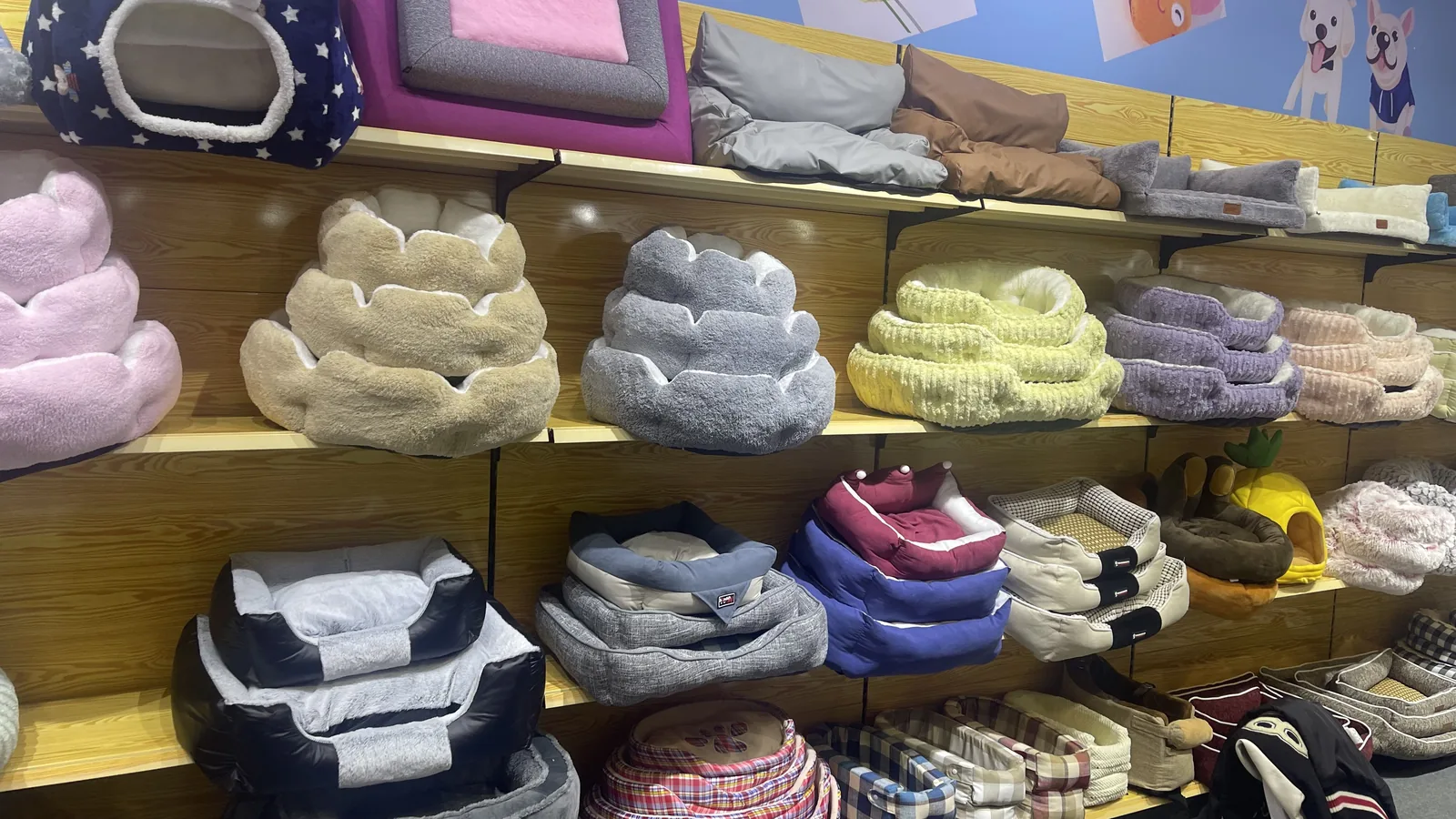
Walk through any pet specialty retailer in the US or Europe today and you will see something that would have looked out of place ten years ago: pet beds styled like designer furniture, cat towers that read as shelving units, feeding stations finished in oak and matte black. Pet products have quietly moved from the utility aisle into the home decor floor.
The reason is a shift in how owners see their animals. In mature Western markets, pets are no longer "animals" — they are family members. Purchase motivation has moved beyond basic function toward emotional value and lifestyle expression. That change is what turns a pet bed into a home accessory, and it is why home decor suppliers and buyers are now paying attention to this category. This note covers the US and EU picture. For a market-by-market read on what each region actually orders, see our five-region guide to pet home buying requirements; for product development, packing and freight, see Beyond the Cat Tree.
Mature markets are not growth markets in the explosive sense — they are high-base, stable markets, and that stability is exactly what makes them attractive for long-term supply relationships.
The practical takeaway for importers: this category has anti-cyclical resilience plus structural upgrading. Buyers are not looking for the cheapest bed — they are looking for a bed that sells at a price the customer will accept and looks good enough to sit in a styled room shot.
Across recent buying conversations, seven development directions come up again and again:
Multi-functional pet furniture is moving from "hidden pet products" toward genuine co-living design — side tables with an integrated pet nook, benches that double as cat seating, modular units that emphasize space efficiency and aesthetic integration.
Care is becoming more refined. Smart monitoring, natural ingredients and vet-adjacent positioning are the core selling points, particularly in the premium tier.
Lightweight, safe and good-looking travel equipment is now a baseline expectation. Buyers want practicality, scene-fit and humanised design in the same product.
Recyclable materials, minimal packaging and natural raw materials have moved from marketing angle to purchasing criterion — especially for European buyers.
Holiday spend keeps rising. Gift sets, pet apparel and themed products sell through in the same seasonal windows as conventional home decor.
Automatic feeders, health-monitoring devices and robotic cat toys are becoming mainstream rather than novelty items.
Comfort toys, interactive toys and anti-anxiety products respond to separation and stress — a small but fast-growing niche.
One important nuance: cat owners and dog owners have very different profiles, but both are high-value users willing to pay for quality. Products should be developed for a specific owner, not for "pet owners" in general.
If you are building a range for US and EU shelves, these are the aesthetic directions that are currently selling.
Seasonal themes remain the most reliable sell-through driver: magical Halloween, playful Christmas, and value-driven celebrations. Alongside them, a set of graphic motifs is appearing across home and pet ranges this year — sardine tins, polka dots and stripes, coastal scenes, drink-party prints, tropical flora, and olives.
Pet gifting follows the same calendar as home decor. Halloween and Christmas programmes need to be locked with suppliers in spring — production, inspection and ocean freight all have to fit before the retail set-up date, and a late shipment means the season is gone. Buyers who plan seasonal pet ranges alongside their home decor programmes get better factory slots and better pricing than buyers who order late.
Most of the world's pet bedding, pet furniture and pet accessories are manufactured in China, and the country's existing home textile, furniture and soft-goods supply chains convert into this category easily. But "made in China" is not a specification. When you place a pet range, settle these points before the deposit:
As a Ningbo-based export partner working across home decor, seasonal products and houseware, we help importers build pet ranges that sit next to their existing home programmes — same shipping schedule, same quality standard, one point of contact.
If you are planning pet home products for the 2026 season — or want to test the category alongside your existing home decor orders — send us your target price points and reference images. We will come back with factory options, realistic MOQs and a landed cost estimate.
Ningbo Shihm Import and Export Co., Ltd.
#52 Wushi Road, Ninghai, Ningbo, China 315600
Email: jin@shihm.com · Tel: +86 135 6789 0980
Contact our sourcing team with your product list and target price — we will come back with factory options, samples and a landed cost estimate.