
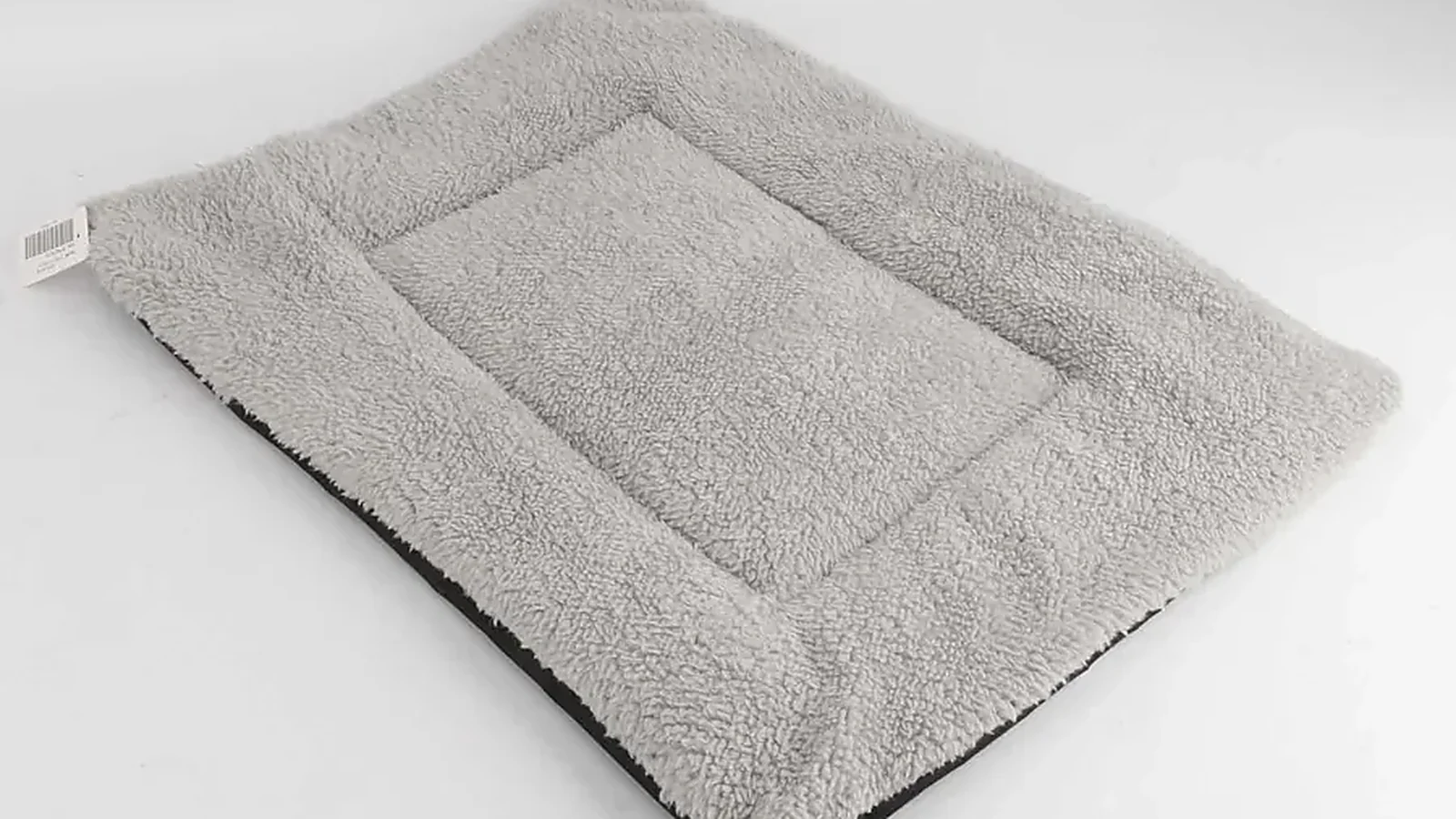
Ask ten suppliers for a cat tree and you will get ten quotes for the same product. The category is not weak — it is crowded, and the crowding has pushed the interesting money toward a different question: what does the customer buy once the cat tree is already on the shelf? Across the platforms that set the pace for cross-border pet retail, the answer has settled on co-living furniture — a piece that earns its floor space by serving the household as well as the animal.
That shift changes the work of product development. It is no longer enough to build something a cat will climb. A supplier now has to show that the piece fits a mainstream living room, that its construction survives a courier network, and that the packing density makes the sea freight work. This is a working brief for that job. For the product directions and market sizing behind the shift, see our 2026 pet home decor trends note for US and EU buyers.
Three channels dominate cross-border pet furniture, and each sells a recognisably different version of the same idea. Their bestsellers describe the buying brief more precisely than any trend summary does.
| Channel | Bestselling forms | Why it sells | What it demands of the factory |
|---|---|---|---|
| Wayfair | Solid-wood cabinet-style dog crates, multi-function enclosed litter cabinets, modular wall-mounted cat climbing systems | The piece stops reading as pet equipment: outside it is a side table or a storage unit, inside there is room for the animal. Aimed at city apartment households. | Furniture-grade joinery and finishing, hidden but real ventilation, dimensions that match standard furniture, packing that protects veneer and edges |
| Amazon | Memory-foam orthopaedic pet sofas, floor-to-ceiling one-piece cat trees, with smart calming functions on the premium tiers | Value and comfort lead; the premium tier adds reassurance features. Popular with single-person households that keep a pet. | Foam density and support that can be documented, washable covers, stable tall construction, a return rate kept low by honest sizing |
| Shein | Lightweight foldable wall-mounted cat scratchers, mini side-table cat nests, heartbeat-simulating calming donut beds | Light, quick to assemble, keenly priced, and sized for renters who move often | Flat-pack architecture, low individual parcel weight, minimal tooling per design, fast design turnover |
Read together, the three lists repeat one logic: a single item covers human storage or decoration and pet living or play; the look matches mainstream interior styles; combination functions cut what the consumer has to buy; and the range is tiered by consumer segment rather than by price alone. Treat these as channel patterns rather than customer relationships — the same forms are bought by pet specialists, home stores and general merchandise importers who want the design without the channel's constraints.
Development conversations have moved from "does the pet have somewhere to sleep" to "does the pet feel settled, and does the owner's home look better for it". Five upgrades come up repeatedly, and each carries a concrete change on the factory side plus a piece of evidence the buyer will expect to see.
The fastest-growing premium feature is furniture that does something while the owner is away. Motion sensors, remote app control, interactive climbing structures, temperature-controlled smart nests and self-deodorising litter cabinets all answer the same pain point: the animal left alone in a single-person household. The development change is to design the electronics in from the start — a concealed cable route, a removable power module, a battery bay that does not become a chewing hazard — instead of bolting a device onto a finished cabinet.
Evidence to prepare: a working unit for the buyer's own trial, the module's safety documentation for the destination market, and a plain-language note on what the unit records and how it responds when the pet moves.
A 2025 industry survey by hyfurnitures found that 72% of overseas consumers would pay a premium for pet calming functions. The forms that carry that premium are specific: wrap-around cave beds, an embedded heartbeat module, a replaceable catnip inner pad. The development change is to build the calming element as a serviceable component with a replaceable or washable insert, so the feature lasts the life of the product and the customer never has to choose between calming and clean.
Evidence to prepare: the test standard applied to the heartbeat or sound module, the material description of the insert, and care instructions that state clearly which parts can be washed and which cannot.
Wall-mounted floating units, ultra-slim cabinet bodies and floor-to-ceiling pole structures now have to sit inside cream, pale-wood minimalism or micro-cement interiors. The litter tray, the nesting bed and the scratching post are hidden or built in, so the piece does not consume extra floor area. The development change is to fix the finish palette with the buyer up front — wood tone, matte surface, hardware colour — and to design the pet space as an internal volume with genuine ventilation and access, not as an afterthought cut into a finished cabinet.
Evidence to prepare: colour and finish samples on the actual production material, a dimensional drawing showing load-bearing points and the fixing kit, and a fitted unit photographed in a styled room.
FSC-certified solid wood, degradable plant-fibre components, formaldehyde-free water-based coatings and recycled fabrics are the material answers that make it easier to clear European and North American environmental requirements while supporting a higher selling price. The development change is to move the environmental claim into the specification sheet and buy the coating and the fabric to that specification, rather than accepting whatever the line happens to be running.
Evidence to prepare: chain-of-custody or certification documents for the timber, coating emission test reports, and a recycled-content declaration for the fabric.
Knock-down, part-by-part construction is the upgrade that pays for itself. Splitting a cabinet, tower or wall system into flat components reduces the packed volume sharply, which cuts the sea freight cost per unit for the buyer — and freight is the number importers negotiate hardest. The development change is to design the joints for disassembly first, then design the carton around the parts instead of the parts around the carton.
Evidence to prepare: a packing diagram with carton dimensions and unit weight, the assembly instructions actually shipped inside the box, and a list of the fittings included.
Two suppliers can quote the same product and land at very different costs, because the difference was designed in months earlier. The levers are:
| Design choice | What changes on the factory side | Effect on the landed cost |
|---|---|---|
| Knock-down instead of assembled | Structural parts flat-packed with cam-and-dowel or bolt joints; hardware bagged and labelled | Smaller carton, more units per container, lower sea freight per unit |
| Nesting and stacking components | Beds, trays and inner volumes shaped to nest; bases packed inverted | Removes the air that a bulky category normally pays to ship |
| Soft, compressible elements | Fabric goods vacuum- or roll-compressed, with foam density preserved on unpacking | Cuts volume on textile-heavy SKUs without changing the design |
| One carton per set where practical | Component bagging, single master carton, single barcode | Fewer handling steps for the importer or the fulfilment centre |
The practical rule: set the packed-volume target before the first sample is made, then let that target constrain the design, rather than accepting whatever volume the finished piece produces.
Environmental and safety questions arrive early in a pet furniture programme, so the paperwork should be prepared alongside the sample. Have the material documents for the timber, the coating and the fabric; the test reports that back every claim made on the label; assembly and care instructions in the destination language; and the packing specification with carton dimensions and weights. Where a feature is electronic, add the module's safety documentation and the terms of its warranty. Buyers rarely reject a product for a missing document — but they will hold the order until it arrives.
Ningbo Shihm Import and Export Co., Ltd. has supplied home décor, seasonal products and houseware since 2008, and works the same way on pet furniture: agree the target packed volume and the finish palette with you, build a physical pre-production sample, and sign the shipment off against that approved piece. Browse the pet home range for the bedding and cat furniture side of the category, or send your reference images and target price points and we will come back with factory options, realistic MOQs and a landed cost estimate.
Ningbo Shihm Import and Export Co., Ltd.
#52 Wushi Road, Ninghai, Ningbo, China 315600
Email: jin@shihm.com · Tel: +86 135 6789 0980
Contact our sourcing team with your product list and target price — we will come back with factory options, samples and a landed cost estimate.