
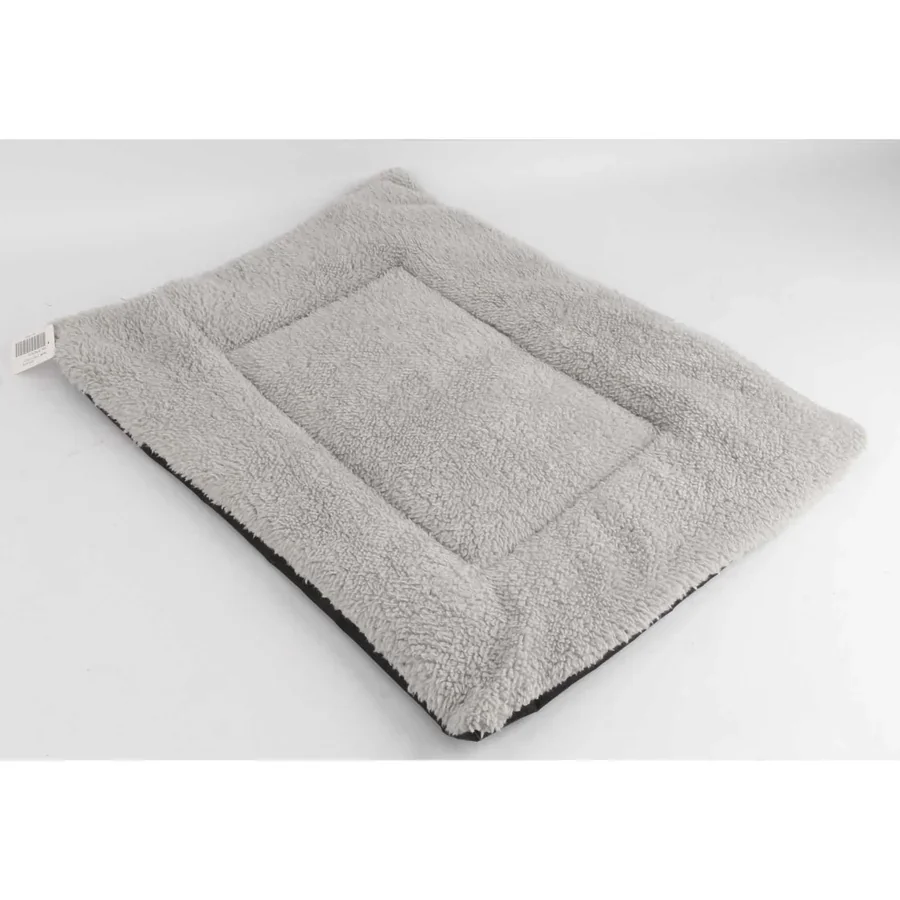
Pet home is the quiet growth line in general merchandise: a pet bed and a mat are replaced far more often than most home textiles, and the category sells through pet specialists, discounters, home stores and online at the same time. We supply wholesale pet home products from China — beds, donut beds, mats, blankets, cushions and cat caves — in plush, sherpa, canvas and oxford fabric, with washable covers, non-slip bases and the compression packing that this bulky category needs to stay affordable by sea. Every design is signed off on a physical pre-production sample and every shipment is inspected against that approved piece before loading.


A pet home programme usually mixes four blocks of product. First, bedding: round donut and cuddle beds, rectangular and bolster beds, flat mats and mattress-style beds. Second, textile accessories: pet blankets, crate mats, seat covers and cushions. Third, cat furniture: cat caves, tents, hammocks and the soft shell beds that sit on a radiator, a windowsill or a chair. Fourth, utility items: feeding mats, travel mats, car seat covers and cooling mats for summer. Because the same factory line can run all four from one fabric library, a buyer can open a pet department with four to six SKUs, then widen it season by season without changing supplier.
Plush and faux-fur beds carry the autumn and winter volume; canvas, oxford and linen-look pieces hold the year-round and outdoor end. Where a retailer sells to both dog and cat owners, sizing the same design up and down through two or three sizes is the cheapest way to cover the shelf, because the pattern, the fabric and the packaging stay the same across the whole size run.
The fabric and the filling decide the price and the complaints list, so both are specified on the sample rather than described in a catalogue:
Because plush pile is directional, cut direction is a real manufacturing decision: a bed whose pile runs against the light looks different on the shelf and photographs badly. Our partner factories cut to a fixed layout and we approve the pile direction on the pre-production sample.
Sizes are quoted to your market's convention rather than a fixed catalogue. The usual size ladder is:
Send the crate, the carrier or the shelf footprint you are working to and we will match the product to it. For pet bedding the load-bearing numbers are the outer dimension, the wall height, the fill weight in grams and the packed carton size — the packed size is what drives the landed cost, so it is quoted with the product, not after it.
Pet products are not children's products, and that distinction matters: the US CPSIA children's rules generally do not apply to a pet bed unless the product is deliberately marketed for children, which is why we never label or art-direct a pet item at a child. What does apply, and what retailers increasingly test for, is material safety:
Shihm is a trading company rather than a testing laboratory, so we do not issue certificates ourselves. We confirm the test route with our partner factories against your destination and your customer's specification sheet, and support third-party inspection and testing (SGS, BV, TUV or your nominated laboratory) on request, with the reports issued under that laboratory's name.
Pet home is a bulky, low-density category, so packing is where the landed cost is won or lost. Beds and mats are vacuum-compressed and flat-packed, which typically removes more than half the volume of a loose-packed carton and turns a product that ships badly by sea into one that ships well. Compression does two things a buyer should plan for: it needs time to recover its loft, so we specify the recovery time on the sample, and the compression ratio has to be agreed with the factory so that repeated squeeze-and-expand does not break down the fill.
Master cartons are specified against the drop test your channel requires, and are sized to the pallet and the container plan rather than by habit. Retail-ready and shelf-ready options — printed polybags with the required suffocation warning, hangtags, header cards and colour boxes — suit chain-store and e-commerce buyers, while plain brown cartons keep the landed cost down for wholesalers and cash-and-carry. Because a compressed bed is light for its volume, pet bedding is normally balanced against heavier décor lines in the same container; if you are building a mixed order, we plan the load across the whole mix so the freight per unit stays sensible.
Sea freight to Europe or the US East Coast runs 25-35 days, and because the goods are light, air freight is only worth considering for a first sample batch or an urgent promotional drop.
Pet bedding complaints cluster around a small, predictable set of faults, and each one has a control point:
We inspect against the approved pre-production sample before loading and issue the inspection report with the shipping documents.
Start from the shelf and the price ladder, then work back to the specification. A programme that covers a whole pet department usually runs three tiers: an entry tier of flat mats, blankets and simple rectangular beds in two or three sizes, which carries the volume and the price message; a mid tier of donut, bolster and sherpa beds where the fabric quality is the selling point; and a gift or premium tier of long-pile plush, memory-foam and cat-furniture pieces, often boxed, which lifts the average order value. Four to six designs, each in two or three sizes, is a better opening order than twenty unrelated pieces, because the sampler cost, the MOQ and the packing effort all scale with the number of designs rather than the number of units.
Two decisions matter more than the design list. First, agree the wash instruction early — a removable, washable cover is the single most requested feature, and it changes the construction, the zip and the cost. Second, keep the packaging consistent across the range: one carton style and one compression standard across the size run is what keeps the container plan simple, and it means a reorder can be added to a mixed container without redesigning the load.
A standard pet programme takes eight to eleven weeks end to end: 7-10 days for counter samples, 30-45 days for production after deposit and 25-35 days sea freight. New tooling, a custom plush, a custom print or a new size adds 10-15 days at the sampling stage, so custom work has to be started earlier.
If your programme is tied to a fixed retail set-up date or a promotional drop, tell us the date at the start and we will work backwards from it and confirm the last acceptable order date in writing.
What is your MOQ for pet beds? From 300 pcs per design and size on stock fabric and stock colours; 1,000-3,000 pcs where a custom plush, a custom print or a new pattern is involved.
Are the covers machine washable? Yes — the standard construction is a removable, machine-washable cover with a guarded zip, washed at 30 °C and dried flat. The care label is matched to the actual construction rather than copied from a template.
Do the beds keep their shape after compression and washing? Plush and foam beds are vacuum-compressed for shipping and recover their loft after unpacking; we specify the fill weight and the recovery time on the pre-production sample and run a wash test before the order is confirmed.
Can you use recycled filling? Yes. Recycled PET fibre, including GRS-certifiable fill, is one of the most requested specifications from EU and US grocery and pet chains; book it as a written requirement on the order.
What safety and compliance documents can you provide for pet products? We confirm the route with our partner factories against your destination and your customer specification: REACH SVHC and Prop 65 declarations, azo-dye and formaldehyde compliance, phthalate and flame-retardant declarations, OEKO-TEX STANDARD 100 where your buyer requires it, and GPSR economic operator details for the EU and UK. Reports are issued by the third-party laboratory, not by us.
Are pet beds subject to children’s product rules such as CPSIA? Pet products are not children’s products, so the CPSIA children’s requirements generally do not apply to a pet bed. We avoid marketing or artwork that positions a pet item as a children’s product, because that is what would pull it into those rules.
Can I mix sizes and colours in one order? Yes. Sizes and colours of the same design share the pattern, the fabric and the packaging, so a mixed size run is the normal way to open a pet range. The MOQ applies per design and size, not per colour.
How do you pack bulky pet beds for export? Vacuum compression and flat packing, which typically removes more than half the loose-packed volume, with the carton drop-tested to your channel’s standard. Because the goods are light for their volume, they are usually balanced against heavier décor lines in a mixed container.
What are your lead times? Seven to ten days for counter samples, thirty to forty-five days for production after deposit, plus twenty-five to thirty-five days sea freight to Europe or the US East Coast. Custom plush or a custom print adds ten to fifteen days at the sampling stage.
Can you put our brand on the product and the packaging? Yes — woven labels, printed care labels, hangtags, header cards, printed polybags and colour boxes, working to your own artwork and dieline.
How do we start a pet home programme? Send reference images, your target retail price points and the size ladder you need; we will come back with factory options, a sample timetable and a landed cost estimate.