
Storage and organization looks like a simple category: a basket is a basket, a box is a box. In practice it is one of the hardest categories to price well, because the product is bulky, the freight is a large share of the landed cost, and the difference between a good and a bad supplier often shows up six months later as mould, colour variation or a handle that pulls out. This guide covers what to specify, what to check and how to plan a 2027 storage programme.
For most home decor, freight is a nuisance. For storage, freight can decide whether the programme makes money. A 40HQ holds about 68 CBM of usable space and a 20GP about 28 CBM. Two baskets can have the same FOB price and very different landed costs once the carton is measured.
A worked example. Basket A and Basket B both cost USD 6.50 FOB. Basket A packs four pieces in a 0.09 CBM carton, so each piece takes 0.0225 CBM and a 40HQ carries about 3,000 pieces. Basket B packs four pieces in a 0.13 CBM carton, so each piece takes 0.0325 CBM and the same container carries about 2,090 pieces. At USD 2,800 ocean freight per 40HQ, the freight per piece is about USD 0.93 for A and USD 1.34 for B — a 41-cent gap, or more than 6% of the FOB price, before any duty. That gap is usually bigger than the difference a buyer negotiates on unit price.
Two design decisions change the cube more than anything else: whether the sizes nest, and whether the carton is designed around the product or around a standard pallet. A three-size nesting set can save 25–40% of the volume of the same three sizes shipped separately. Ask for the nested carton dimensions, not just the product dimensions.
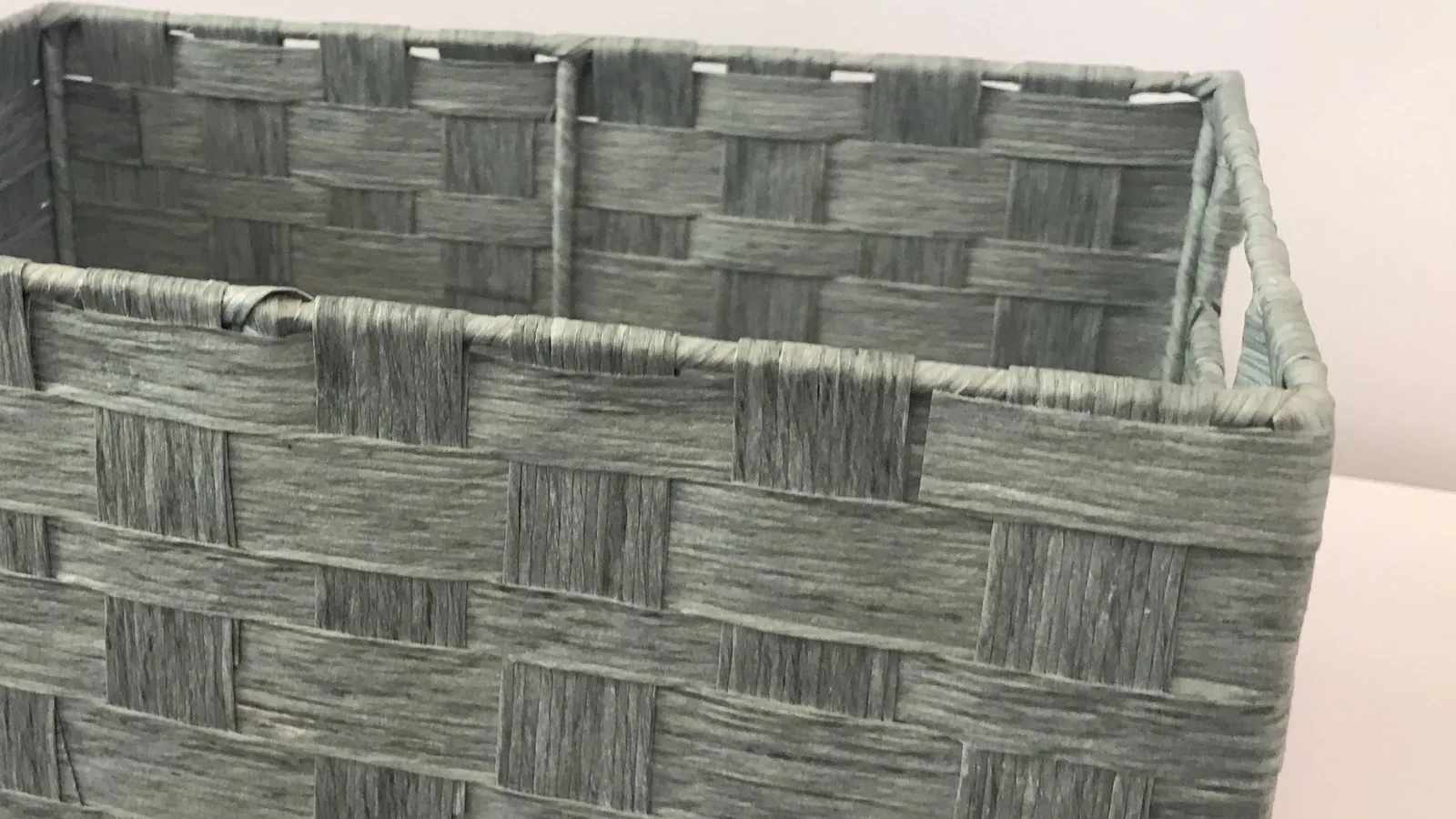
Seagrass, rattan, paper rope, cotton rope, felt and lined fabric. Baskets carry the highest perceived value and the widest margin range. They are also the most variable: hand-weave density, colour consistency between lots, and moisture content decide whether the container arrives smelling of the warehouse or of damp fibre. Best suited to specialty home retail, garden centres and e-commerce lifestyle ranges. See the storage baskets range.
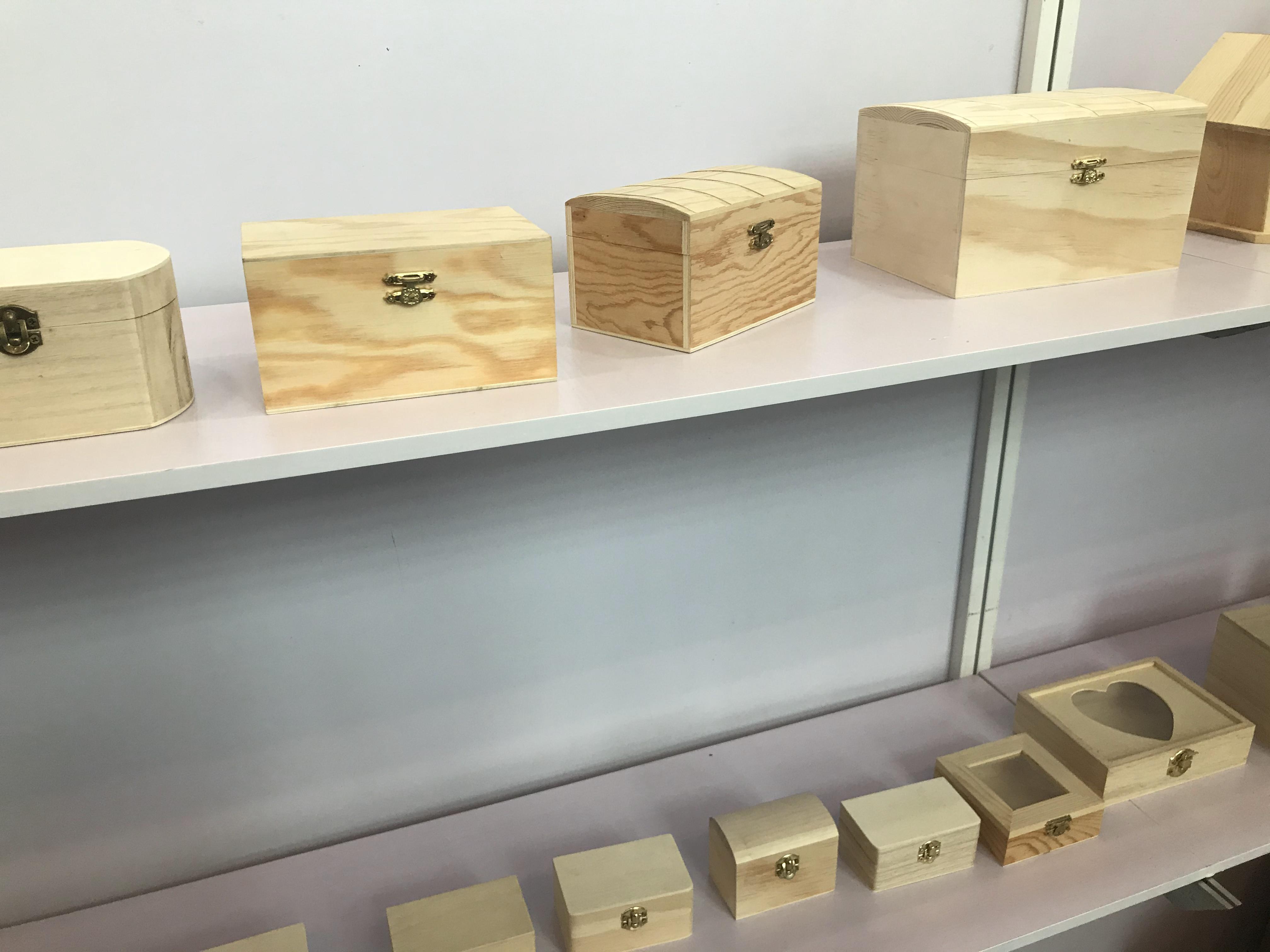
MDF, printed paper board, PP, canvas and felt. Boxes are the workhorse of the category: shelf-ready, stackable, easy to print and easy to private-label. The cost sits in the lid fit, the corner construction and the print quality, not in the board itself. Best suited to discounters, grocery and department stores that need a stable, repeatable SKU. See storage boxes and bins.
Wire, bamboo, acrylic, felt and moulded PP. Small cube, high unit count, strong e-commerce performance because the parcels are light and hard to damage. The buying risk is tolerance: a drawer insert that is 5 mm too wide is a return, and a wire rack that is 1 mm off does not assemble. Best suited to e-commerce, kitchen retail and hardware channels. See drawers and organizers.
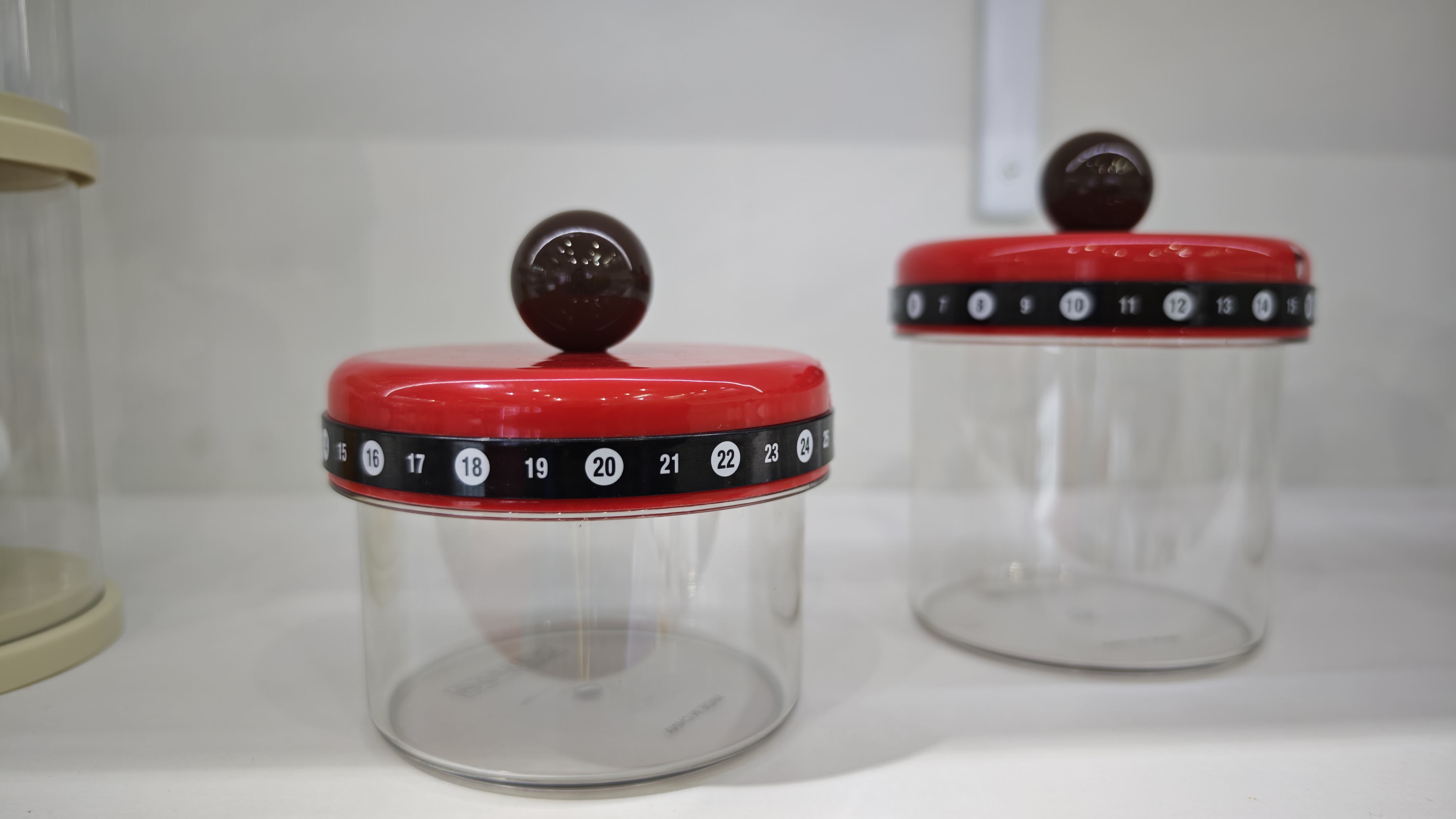
Glass, PET, ceramic and tin. This is where food-contact rules apply, and where the lid — not the body — usually causes the complaint. A jar that is not airtight is a pantry product that fails in the customer's hand. Best suited to kitchen, pantry and gifting ranges. See jars and containers and kitchen storage.
Most quotation errors come from an incomplete brief, not from a dishonest factory. Send these twelve fields for every SKU:
With those twelve fields, a quote is comparable. Without them, every supplier quotes a different product.
Storage returns are rarely about the design. They are about smell, colour, fit and strength. A practical pre-shipment check covers:
For the EU, storage products fall under REACH for materials and finishes, and food-contact jars under the framework Regulation 1935/2004 plus the German LFGB declaration if you sell there. Wood and paper components should carry an FSC statement if your retail customer requires it, and the EU General Product Safety Regulation and German EPR registration apply as they do to other home products. Our GPSR and German EPR checklist lists the documents to request before the deposit. For the US, ask for the applicable Prop 65 statement and keep it with the production record.
One practical point: compliance paperwork is per material, not per SKU. A range of ten baskets in the same fibre and coating needs one material file, not ten.
MOQs typically start around 500 pieces per design, and they are usually set per colour, so a four-colour range multiplies the commitment. Mixed containers are the standard way to spread that commitment across baskets, boxes and organizers without filling a container with one shape; our mixed container guide explains how the loading is planned. Sampling depends on the item — about a week for a repeat order or a stock shape, several weeks for a new design or a new weave.
Storage is not a seasonal category in the way Christmas is, but it is not immune to the calendar. Most retail programmes replenish in the first and third quarters, and both windows collide with Chinese New Year. Chinese New Year falls on 6 February 2027, with an official holiday from 5 to 13 February; factories in Ningbo typically slow for two to four weeks around it, and capacity tightens for several weeks before and after. If your delivery window is March or April, the order needs to be confirmed in time for production to finish before the break, or scheduled after it with the delay built in.
Planning note: these are typical ranges, not fixed deadlines. Production and transit time vary by product, factory capacity and route. Confirm the calendar with your supplier before committing.
MOQs typically start around 500 pieces per design, usually per colour. New weaves, custom sizes and custom linings are higher because they carry a development cost.
Yes. Mixed containers are normal in this category and are the cheapest way to test several sub-ranges. The loading plan matters more than the number of SKUs.
Convert both to freight per piece: carton CBM divided by pieces per carton, then multiply by the freight rate for your container. The lower FOB price is often not the lower landed cost.
Moisture and colour variation. Both are manageable with a moisture specification, a signed colour standard and a production sample from the actual line.
Only the ones that touch food — jars, canisters, tins and pantry containers. Baskets and boxes need material and finish compliance, not food-contact testing.
If you are building a storage range for 2027, send the spec sheet, the target retail price and the destination market. We will come back with a shortlist, MOQ per design and the carton data you need to calculate landed cost. Contact us here.