Storage is where a kitchen range earns its repeat purchase: a container that seals, stacks and survives the dishwasher is bought again, and the same container that leaks is returned. We supply wholesale kitchen storage and containers from China across airtight canisters and food containers, lunch boxes and cool bags, dish racks, organisers and the small accessories that bring order to a cupboard.
Product range
Materials, seal systems and how they are judged
PP and Tritan cover most of the food-storage range: airtight canisters, cereal and flour containers, '
'leftover boxes and compartment lunch boxes, in clear, tinted and printed bodies. The quality signals are wall '
'and lid thickness, the freedom from sink marks and short shots, and the performance of the seal. The seal is '
'what the product is really bought for: a silicone gasket, a clamp or a four-latch lid, and an airtightness '
'test on the finished unit rather than a claim read off the drawing. Lid fit is checked after a dishwasher '
'cycle too, because a lid that warps at 60 degrees stops sealing in a customer's kitchen.
Glass containers give the premium, stain-free end of the range: tempered or borosilicate bodies with '
'PP or bamboo lids, oven-to-table and freezer-safe. Glass is graded on the absence of bubbles and mould lines, '
'on a level base, and on thermal-shock performance where it is sold as oven-safe; the lid gasket and the '
'clamp are tested as an assembly. Stainless steel covers canisters, bread bins and tins, where corrosion '
'resistance and a tight-fitting lid matter more than visibility.
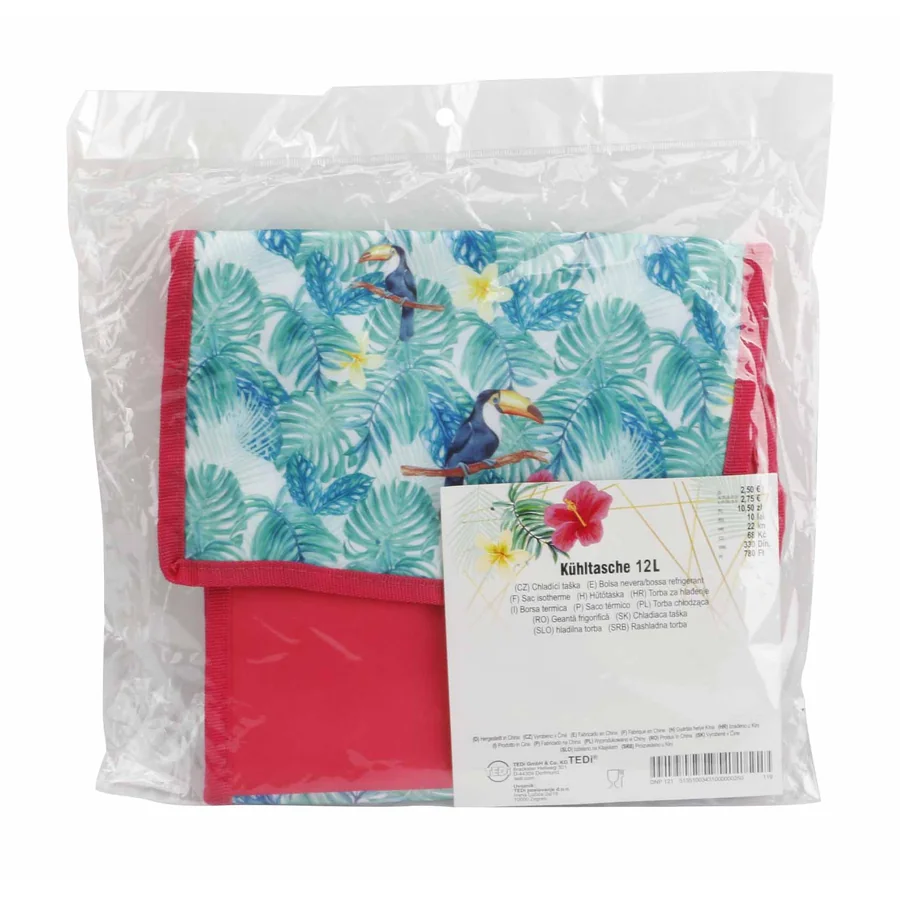
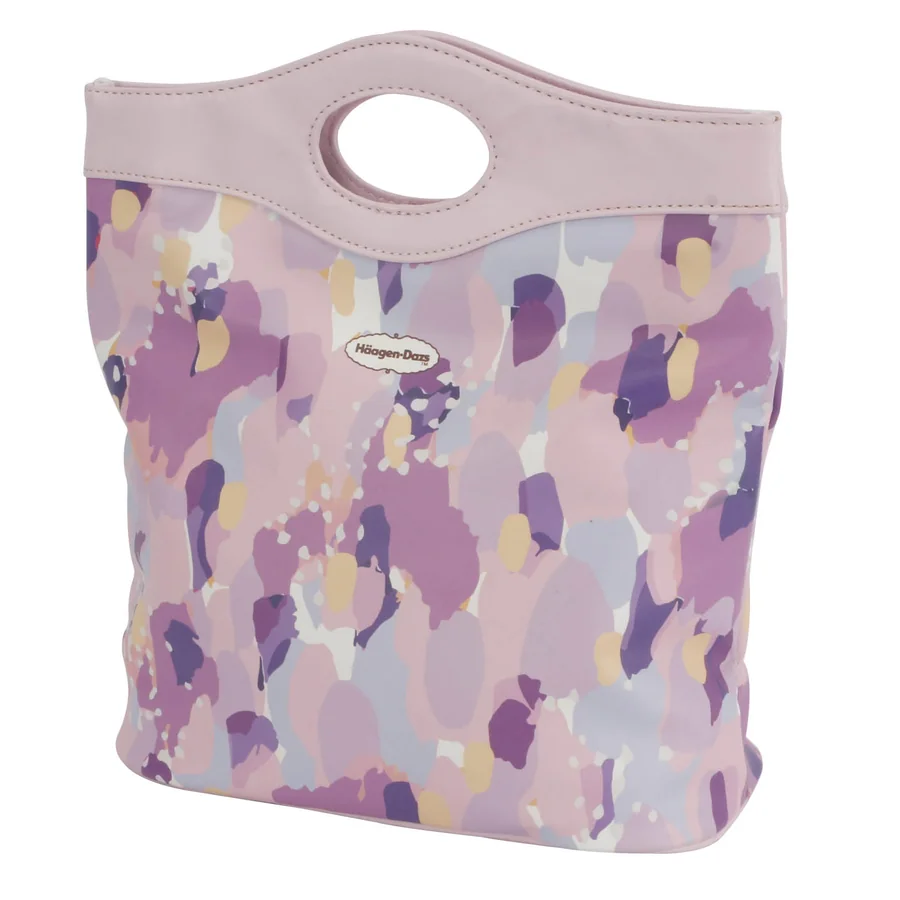
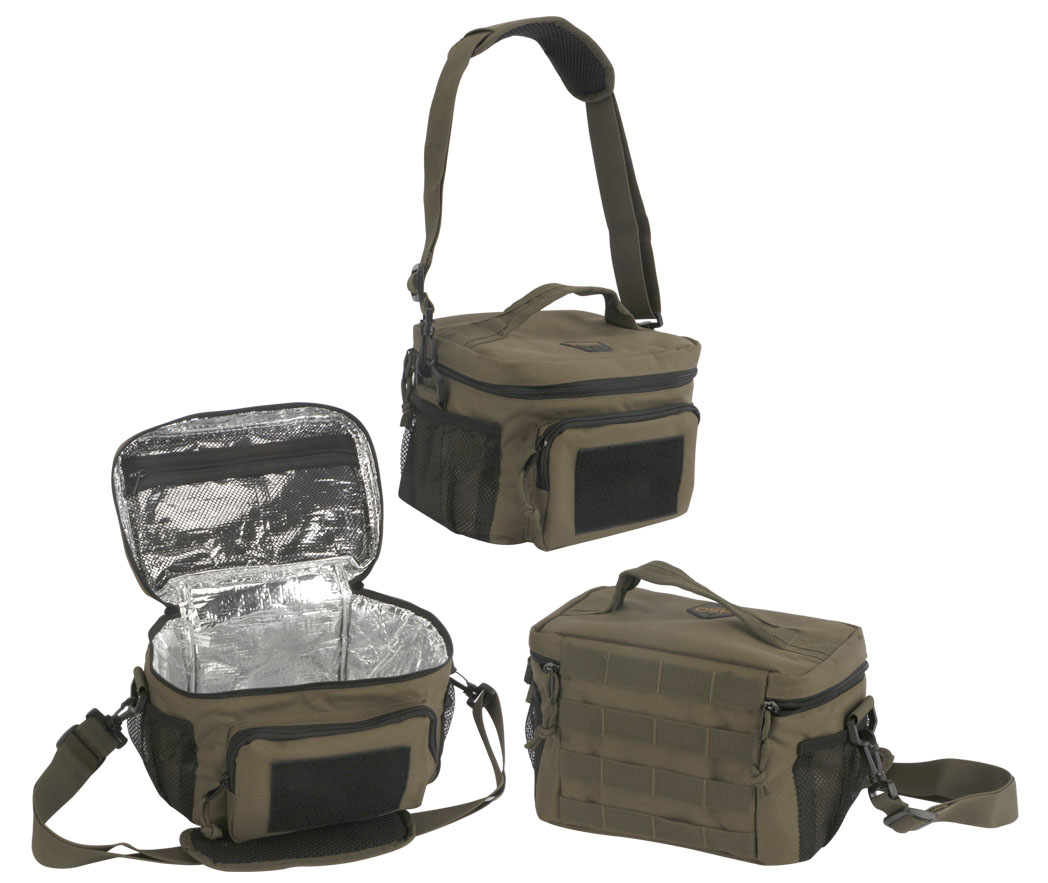
Textiles and soft storage finish the category: insulated lunch bags and cool bags, bottle bags and tote '
'organisers in printed fabric or laminated PP, where the quality signals are the denier and coating of the '
'outer fabric, the stitching and zip quality, and whether the lining is wipe-clean and food-safe. Racks and '
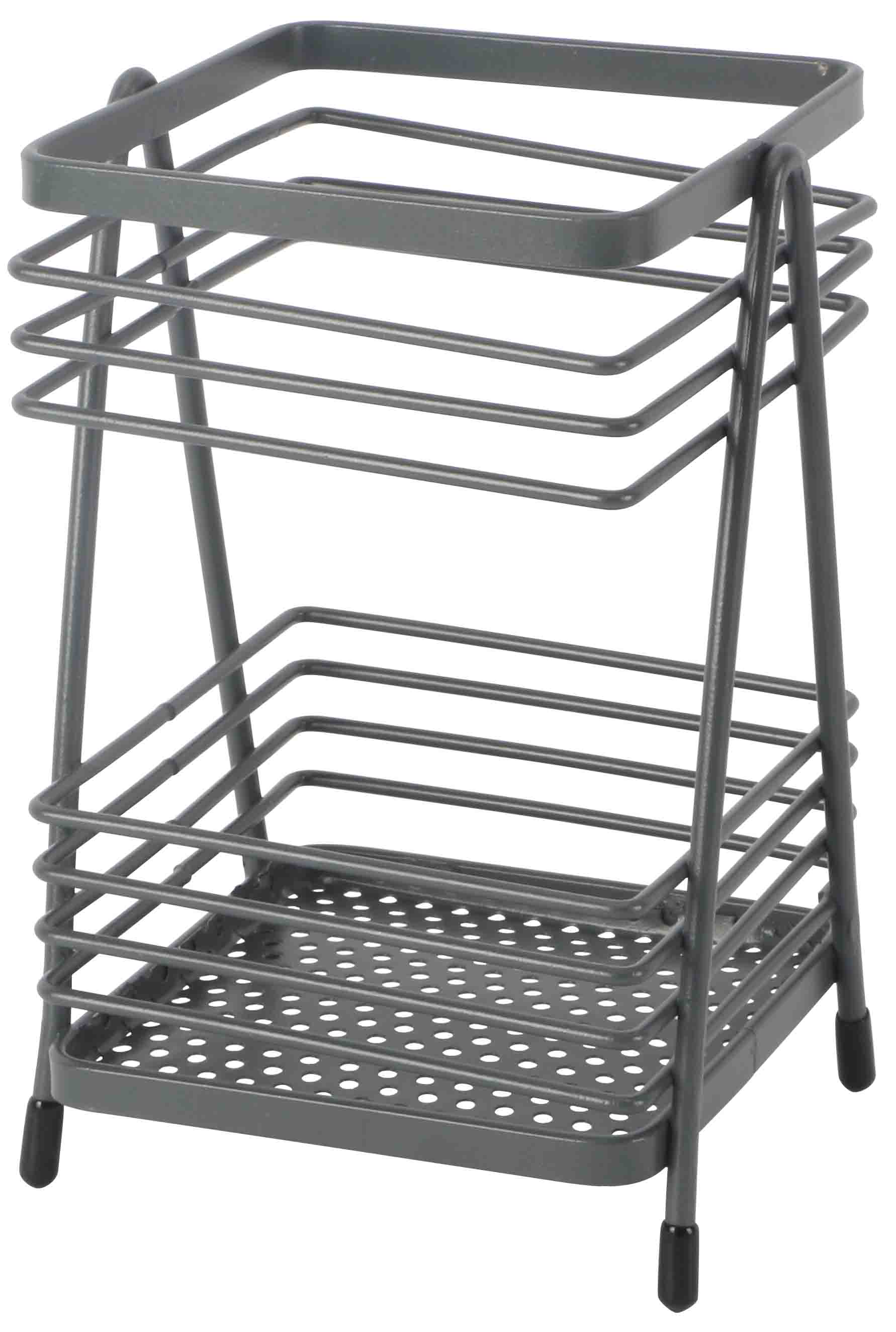
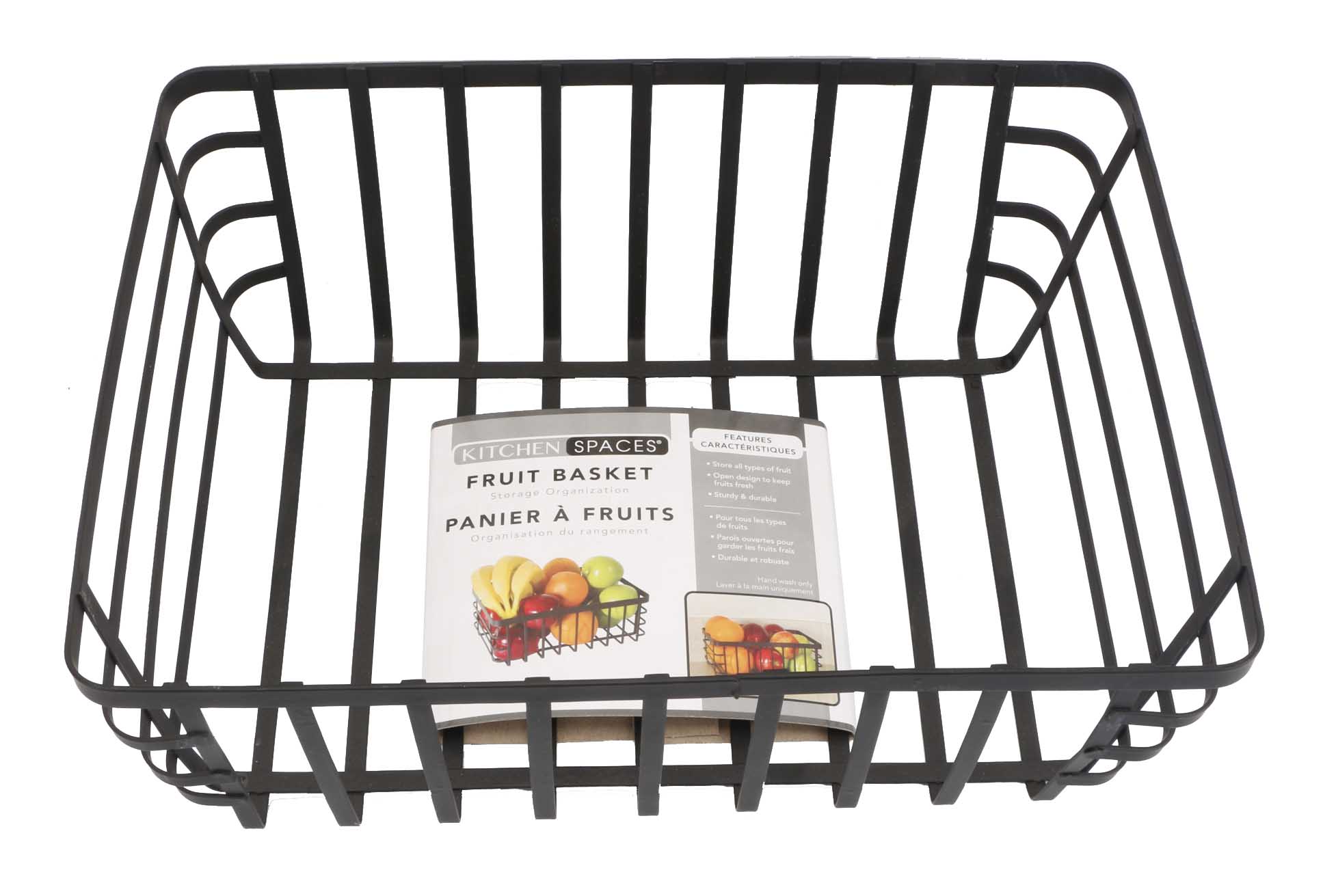
'organisers - dish racks, over-sink baskets, two-tier shelf racks, fruit baskets and drawer dividers - run '
'across coated steel, stainless wire and moulded plastic, and are judged on rust resistance, load capacity '
'and whether the finish survives damp air.
The product groups that build a storage range
Airtight canisters and jars: cereal, flour, sugar and coffee canisters, spice jars and clip-lid sets, from 300 ml to 3 litres.
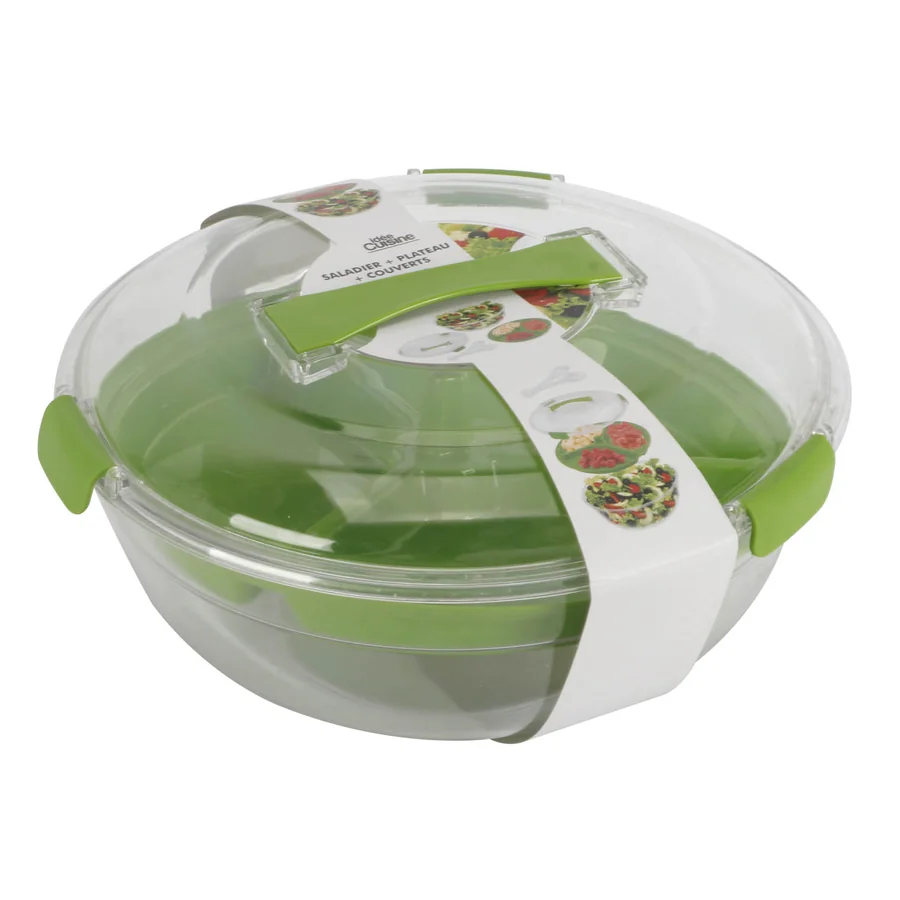
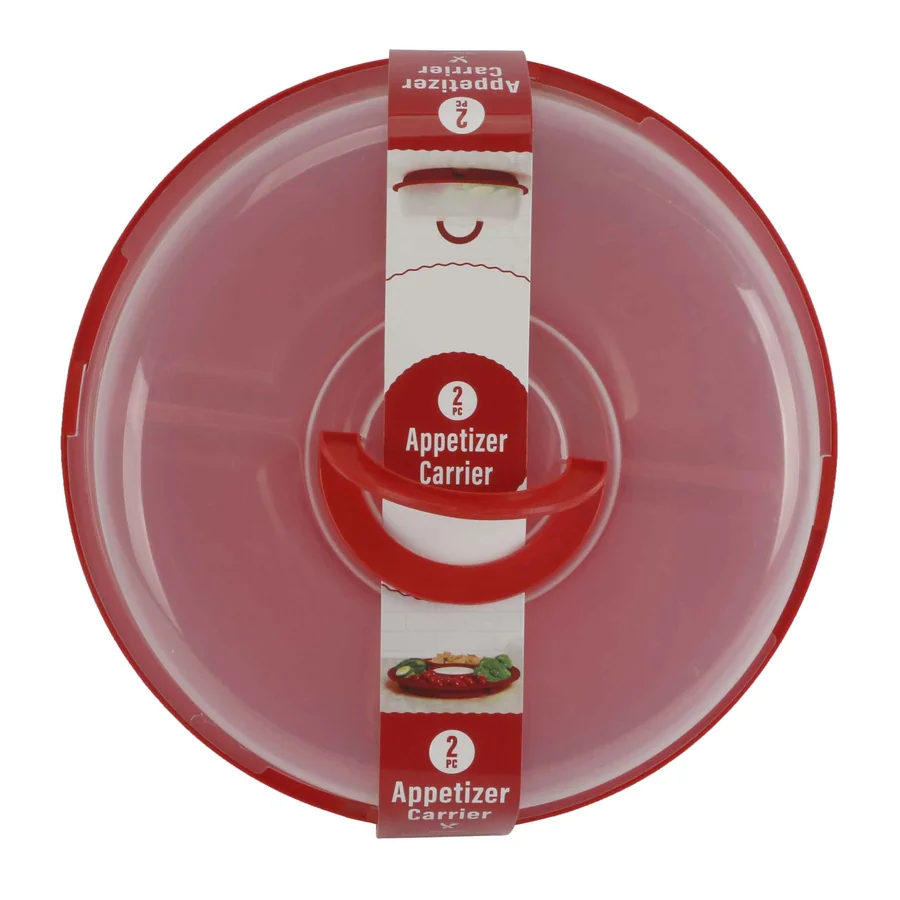
Food and leftover containers: nesting and stacking boxes, compartment containers, salad bowls with lids, in PP, Tritan and glass.
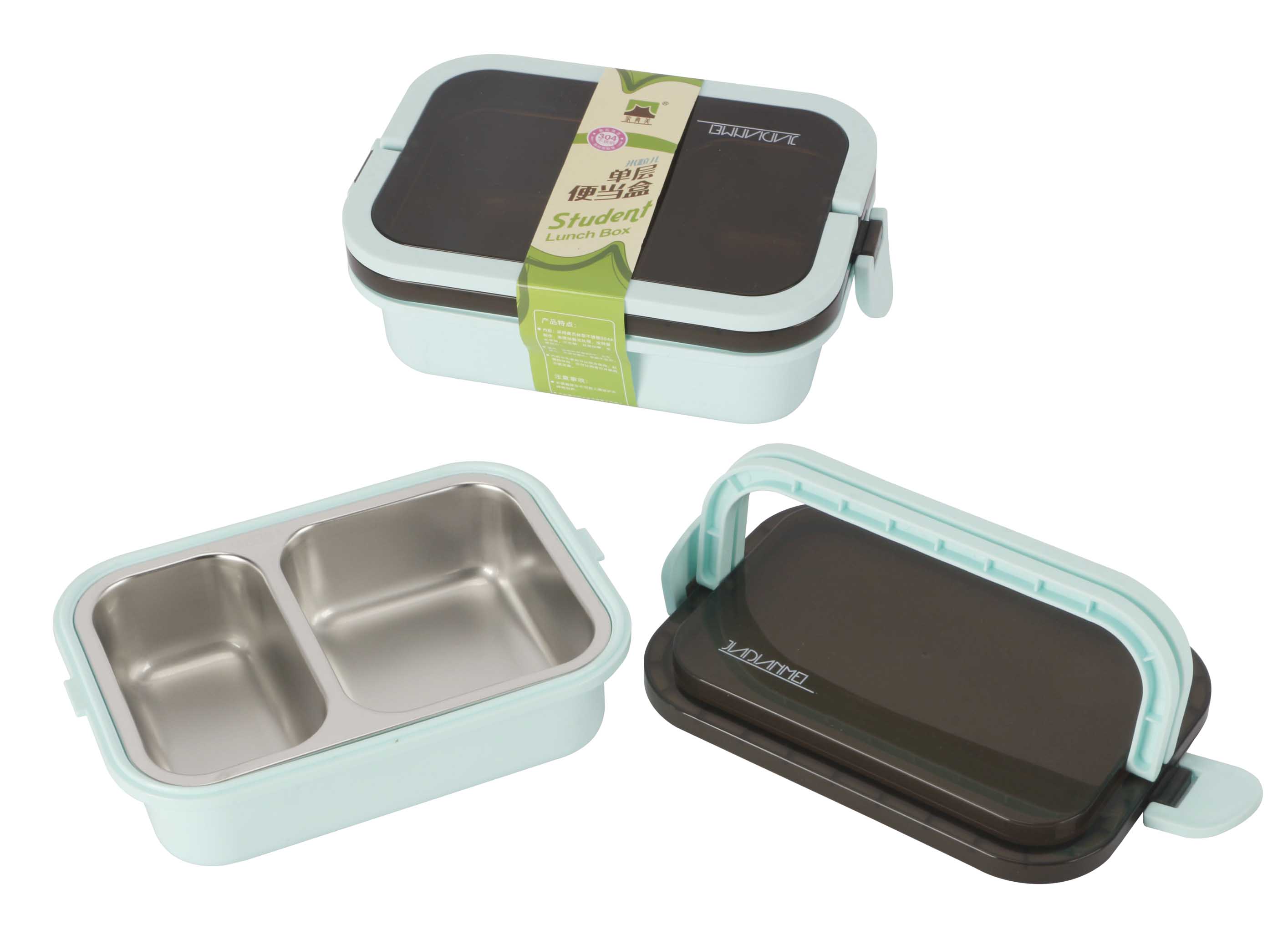
Lunch boxes and lunch bags: bento and compartment boxes, insulated fabric lunch bags and cool bags, bottle bags.
Racks and organisers: dish racks and drainers, over-sink baskets, shelf and two-tier racks, fruit baskets and drawer dividers.
Bins, tins and larger storage: bread bins, rice and grain dispensers, and stainless or coated-steel tins.
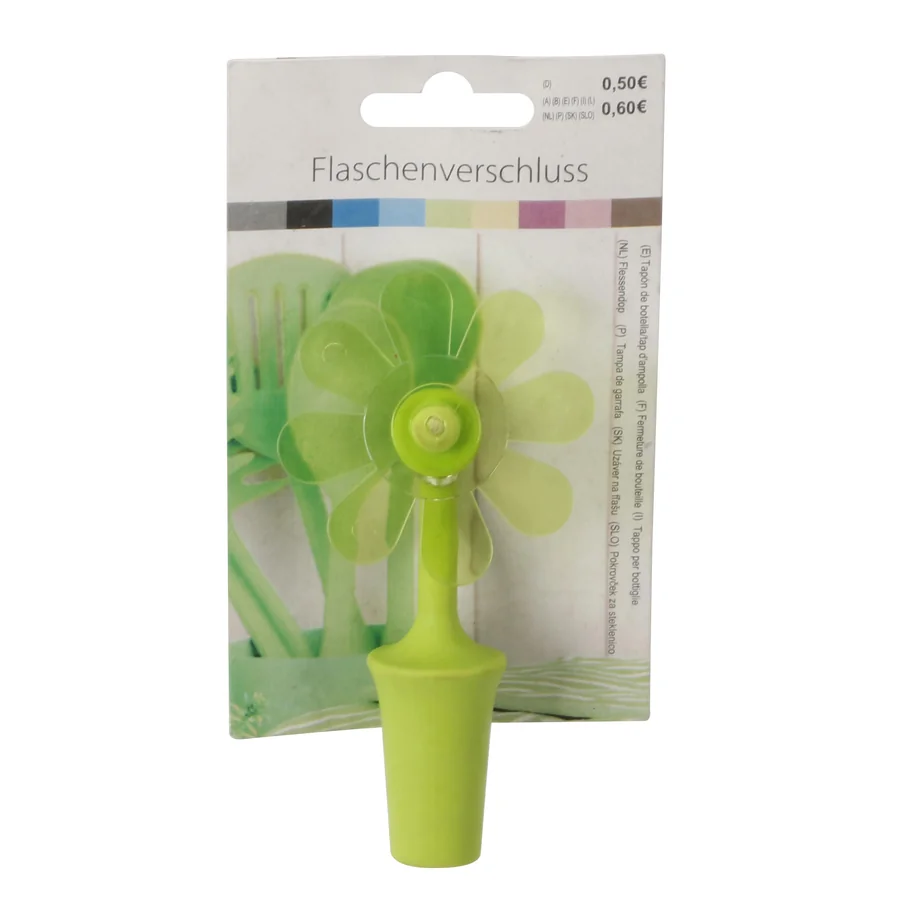
Small accessories: bottle stoppers, bag clips, labels, measuring scoops and fridge organisers.
Send the cupboard or the shelf you are fitting out and we will propose a mix at defined price points rather than a list of unrelated pieces.
Food-contact, thermal and material compliance
Storage touches food and is used across the fridge, the freezer, the microwave and the dishwasher, so the claims have to be settled before production:
Food contact: EU 1935/2004 and the plastics measure 10/2011, LFGB in Germany and FDA 21 CFR in the United States; glass is checked for lead and cadmium release where decorated, and silicone gaskets are confirmed food-grade.
Material declarations: BPA-free is confirmed on the material declaration for every PP and Tritan component, together with the food-grade status of the gasket and any coating.
Care claims: microwave-safe, freezer-safe and dishwasher-safe are claims that have to match the product as built - a container sold as microwave-safe is checked with its lid and its gasket, not just the body.
Airtightness: the seal claim is verified by an airtightness or leak test on the assembled production unit.
Textile and coated items: lunch bags and coated racks are checked for wipe-clean performance, rust resistance after a damp-cycle test, and the food-safety of any internal lining.
Documents: material declarations and test reports are kept with the order file, and third-party testing with a nominated laboratory is supported on request.
Shihm is a trading company rather than a testing laboratory, so we do not issue certificates: we confirm the test route with our partner factories against your destination and your customer's specification sheet, and the reports are issued under the laboratory's name.
Quality control: the faults that actually happen
Seal and airtightness failure - gaskets that do not seat and lids that pop: controlled by an airtightness test on the assembled production unit.
Lid warping - lids that deform in the dishwasher and stop sealing: controlled by a heat-cycle check on the finished lid.
Odour and migration - plastic that smells or releases beyond the limit: controlled by a material declaration and a lot migration test.
Moulding faults - sink marks, short shots and off-tone colour: controlled by a first-article check on the line.
Rust and coating faults - on wire racks and steel tins: controlled by a damp-cycle and a coating adhesion test.
Zip and stitching failure - on lunch and cool bags: controlled by a pull test on the zip and a stitch-density inspection.
Every lot is inspected against the approved pre-production sample before loading, and the inspection report travels with the shipping documents.
Packing, MOQs and lead times
MOQ: from 500-1,000 pcs per design on stock shapes; higher where custom moulds, custom decals or a bespoke print are involved.
Sampling: seven to ten days for a counter sample; custom tooling or custom glass adds fifteen to twenty-five days.
Production: thirty to forty-five days after deposit, plus twenty-five to thirty-five days sea freight.
Packing: nesting and stacking are designed in to save cube, so a storage order ships dense; glass containers are individually wrapped and the carton is drop-tested, and textile bags are bagged against dust.
Customisation: moulded colour and printed patterns, capacity and measurement printing, your artwork, branded labels and retail cartons.
Storage is the natural volume driver in a kitchen order - it ships dense and sells all year - so it is usually the line that carries the freight for the seasonal and giftable pieces bought alongside it.
Sourcing notes: MOQs, materials and lead times
Materials: food-grade PP and Tritan, tempered and borosilicate glass, 304 stainless steel, food-grade silicone gaskets, bamboo, printed fabric and laminated PP for soft storage.
Range: airtight canisters and spice jars, nesting and compartment food containers, lunch boxes and insulated lunch bags, dish racks and organisers, bread bins and tins, small accessories.
MOQ: from 500-1,000 pcs per design on stock shapes; higher where custom moulds, custom decals or a bespoke print are involved.
Sampling: 7-10 days for a counter sample; custom tooling or custom glass adds 15-25 days.
Production: 30-45 days after deposit, plus 25-35 days sea freight to Europe or the US East Coast.
Packing: nesting and stacking designed in to save cube; glass individually wrapped and drop-tested; textile bags bagged against dust.
Customisation: moulded colour and printed patterns, capacity and measurement printing, your artwork, branded labels and retail cartons.
Compliance: EU 1935/2004 and 10/2011, LFGB or FDA 21 CFR food-contact rules; BPA-free material declaration; airtightness and care-claim testing; supported by third-party inspection (SGS, BV, TUV or your nominated lab) on request.
FAQ
What is your MOQ for kitchen storage? From 500-1,000 pcs per design on stock shapes; custom moulds or a bespoke print carry a higher minimum, quoted per project.
What are your lead times? Seven to ten days for counter samples, thirty to forty-five days for production after deposit, plus twenty-five to thirty-five days sea freight to Europe or the US East Coast.
Are your containers genuinely airtight? Yes - the seal is verified with an airtightness or leak test on the assembled production unit, and lid fit is re-checked after a dishwasher cycle.
Are the containers BPA-free? BPA-free is confirmed on the material declaration for every PP and Tritan component, along with the food-grade status of the gaskets and any coating.
Is the container microwave-safe with its lid? The microwave-safe claim is tested with the lid and gasket, not just the body; where a lid is not microwave-safe the care label says so.
Can I mix plastic and glass containers in one range? Yes - PP and Tritan cover the volume lines and glass the premium, stain-free end, and both can be built to one price ladder.
Can you print our logo and the capacity? Yes - moulded colour, printed patterns, capacity and measurement printing, branded labels and retail cartons, worked to your own artwork.
How is a storage order packed? Nesting and stacking are designed in so the order ships dense, glass is individually wrapped and drop-tested, and textile bags are bagged against dust.
How do we start? Send reference images, your target retail price points and the capacity range you need; we come back with factory options, a sample timetable and a landed cost estimate.