
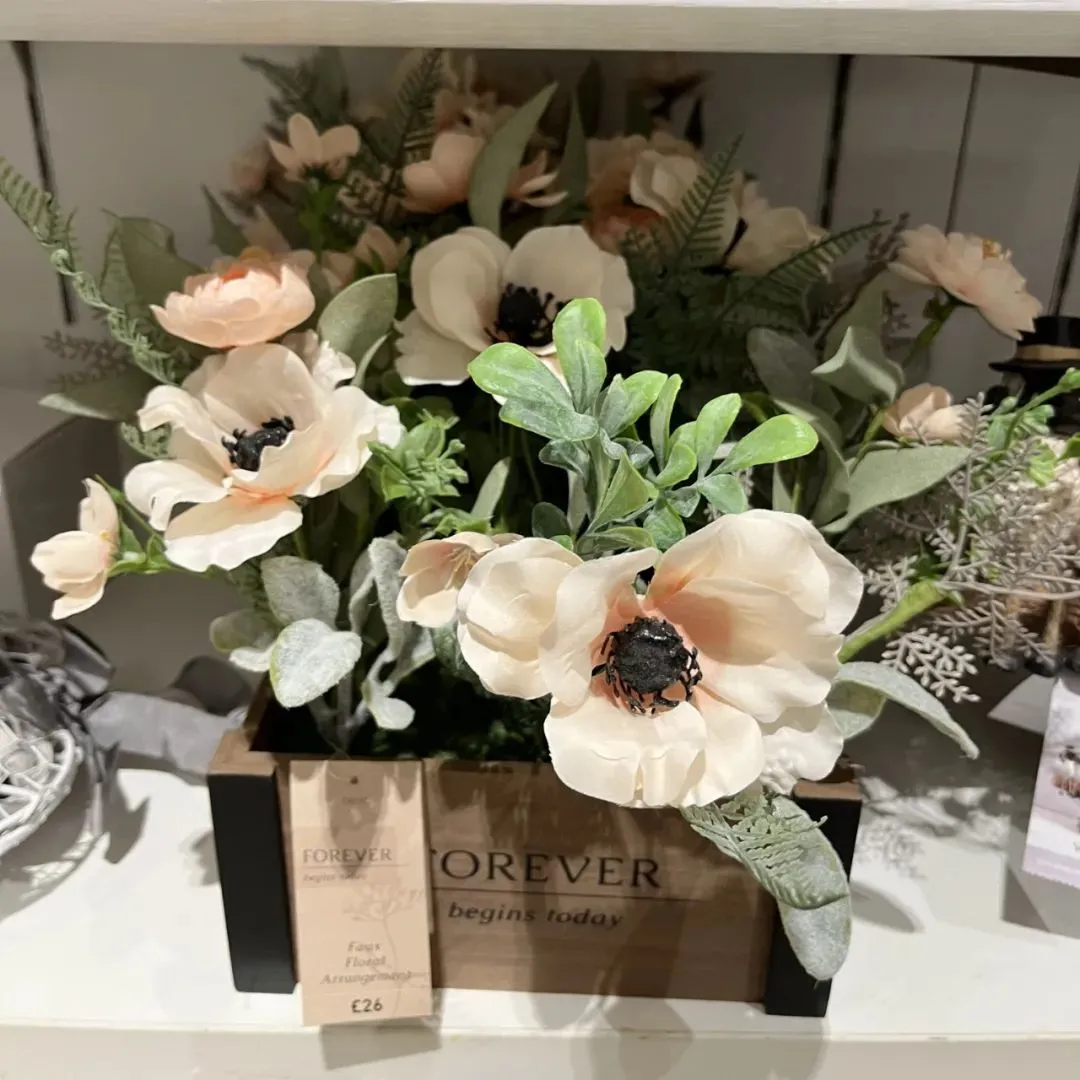
Spring/summer 2028 is still more than a year away, but the range decisions that will define it are being made now. Buyers are already asking for early colour cards, material options and sample dates, because the factories that can deliver a coherent story in February are booked before the season starts. This is an early sourcing preview, not a forecast: six directions worth testing, and what each one means for materials, MOQ, packing and mixed containers.
Home décor and gift ranges move on a long calendar. A new ceramic shape needs tooling and a sample round. A woven basket needs a fibre and dye lot. A framed print needs artwork approval, glass or acrylic, and drop-tested packing. If you start in September, you are choosing from what is left. If you start in January, you are shaping the range.
The practical window is: direction now, samples in the first quarter of 2027, bulk orders by early summer, and shipments from late 2027 into early 2028. That schedule also leaves room for a second, smaller replenishment order once the first sell-through data arrives.
The safest commercial palette is still a warm neutral base — sand, oat, clay, soft grey — with one stronger accent per story. For 2028, the accent is less “bright” and more “saturated but earthy”: butter yellow, olive, terracotta, deep teal. It works because a buyer can place the accent on a cushion, a small ceramic, or a gift item without changing the whole shelf.
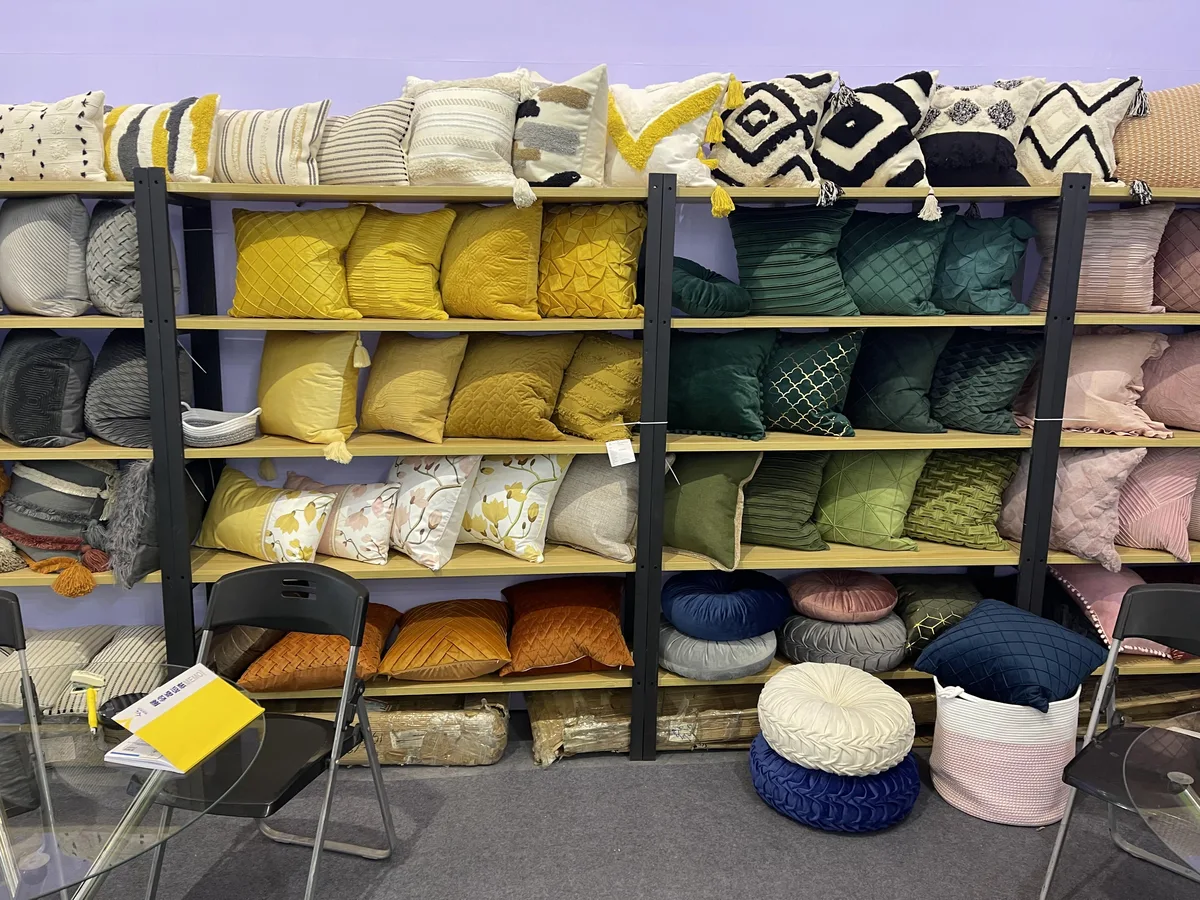
Sourcing implication: keep the neutral body as a stock colour and treat the accent as a seasonal overlay. That lets you commit to a base material at a higher volume and test two or three accent colours in smaller quantities.
Woven fibre, rattan, seagrass, jute and textured ceramics continue to move from garden to living room. The commercial opportunity is texture, not a sustainability claim. Buyers want something that photographs well and feels different from smooth plastic, without a complicated material story at customs.
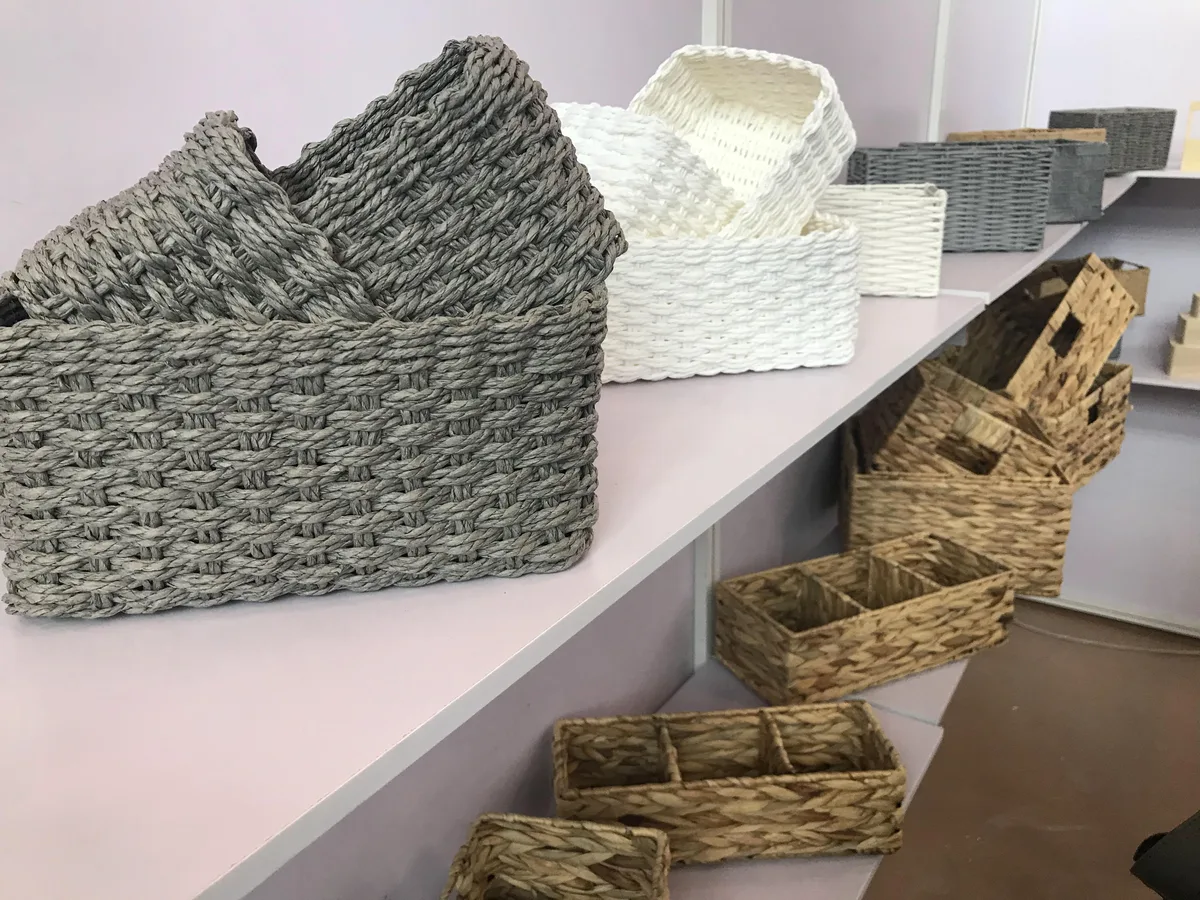
Sourcing implication: confirm the fibre, dye method and moisture content before bulk. Natural fibre varies by lot, so approve a colour range, not a single perfect sample. Ask how the factory controls mould and odour in transit.
Reactive glazes, visible speckles, irregular rims and matte finishes are still strong in vases, planters and tabletop. The look is “made by hand”, but the buyer still needs a repeatable glaze and a stable carton. The gap between a beautiful sample and a repeatable production run is where most ceramic programmes fail.
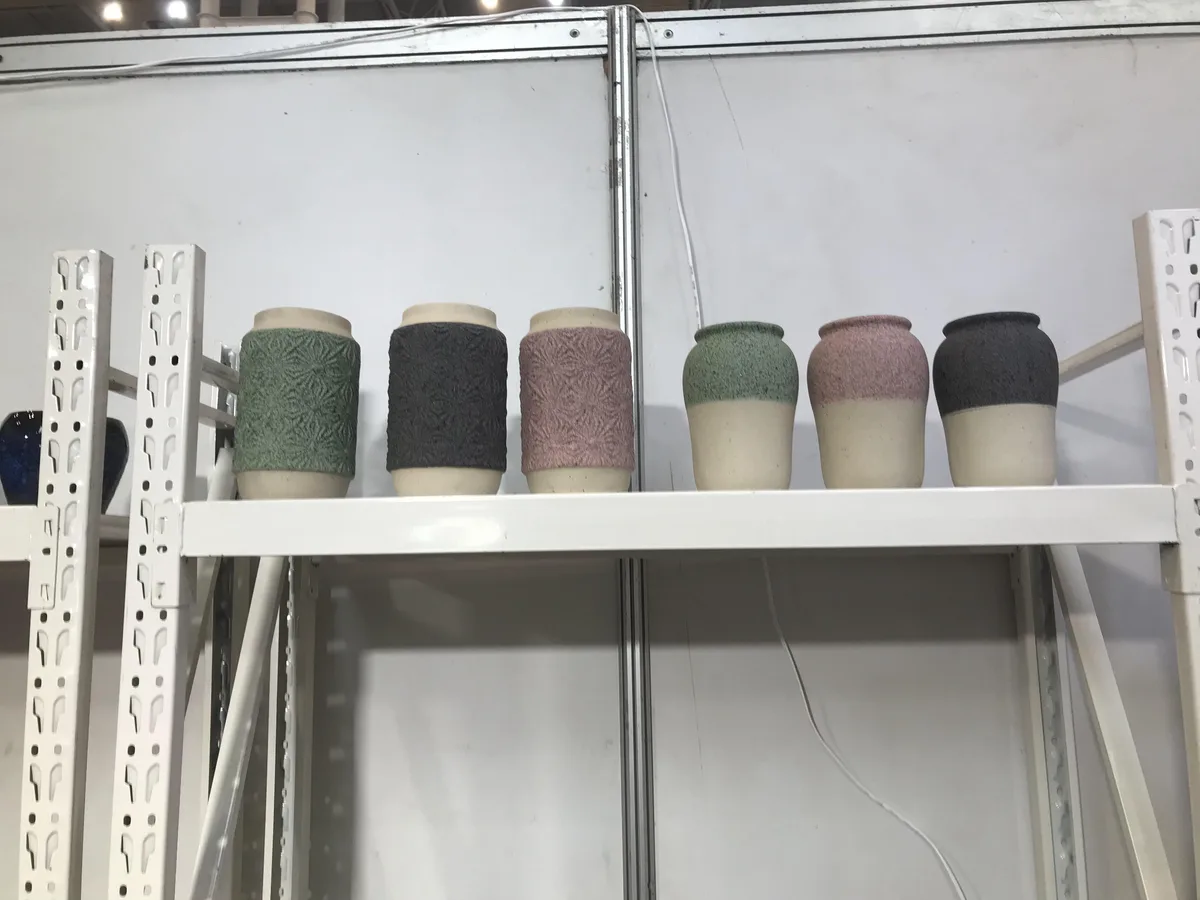
Sourcing implication: ask for a glaze panel from the actual production kiln, not a studio sample. Confirm the acceptable level of colour variation in writing. For vases and planters, check the water test and the base finish.
Glass works across candles, jars, vases and tabletop. For 2028, the useful direction is not novelty shapes but clarity: clean cylinders, fluted sides, coloured transparent glass, and lids that make the item giftable. Glass also carries a higher freight risk, so packing is part of the design brief.
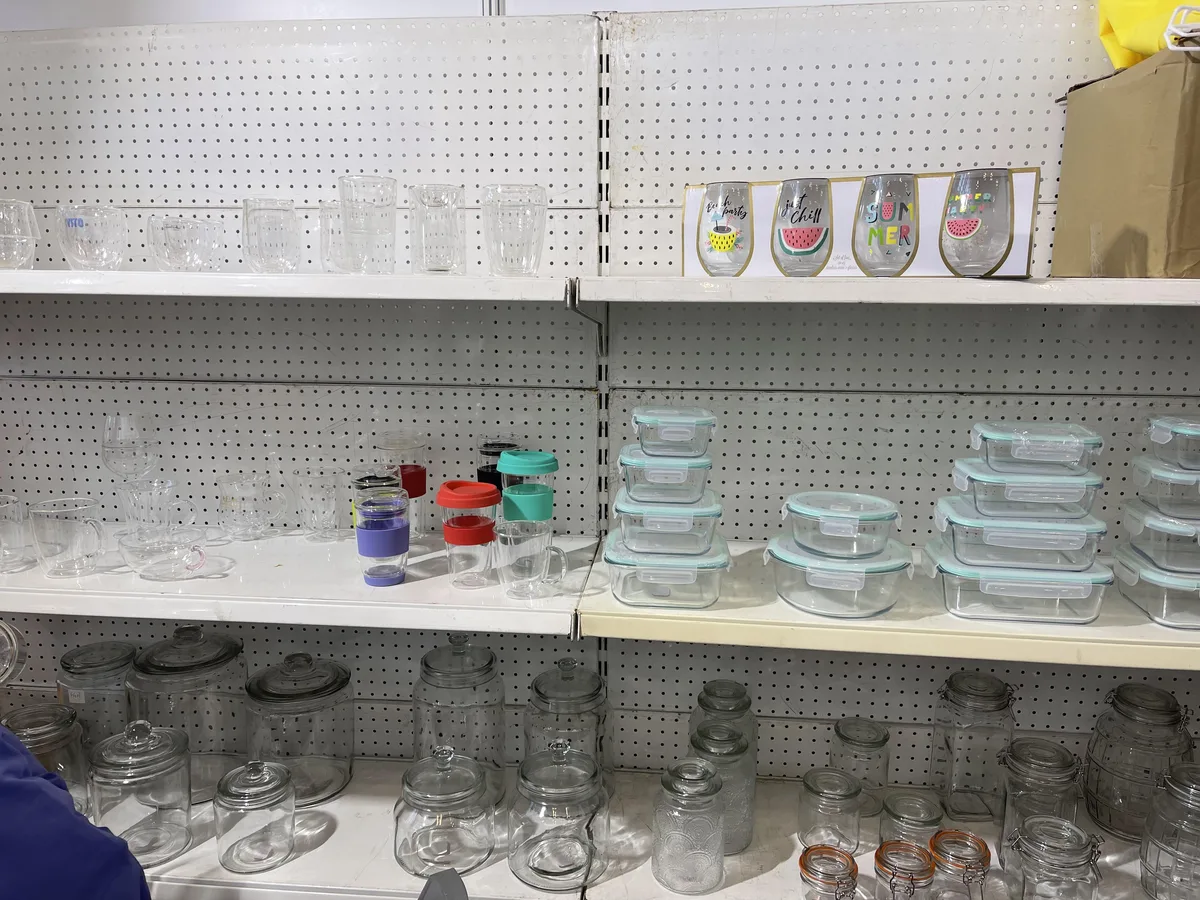
Sourcing implication: specify wall thickness, lid fit and drop-test packing. If the item is for food contact, request the relevant test report for the material and market. For coloured glass, approve a production lot, not a single image.
Black metal is no longer the only option. Brushed brass, warm gold, powder-coated sage and off-white are appearing in candle holders, trays, small furniture and storage racks. The look is softer, but the quality risk is the same: coating adhesion, weld strength and edge finishing.
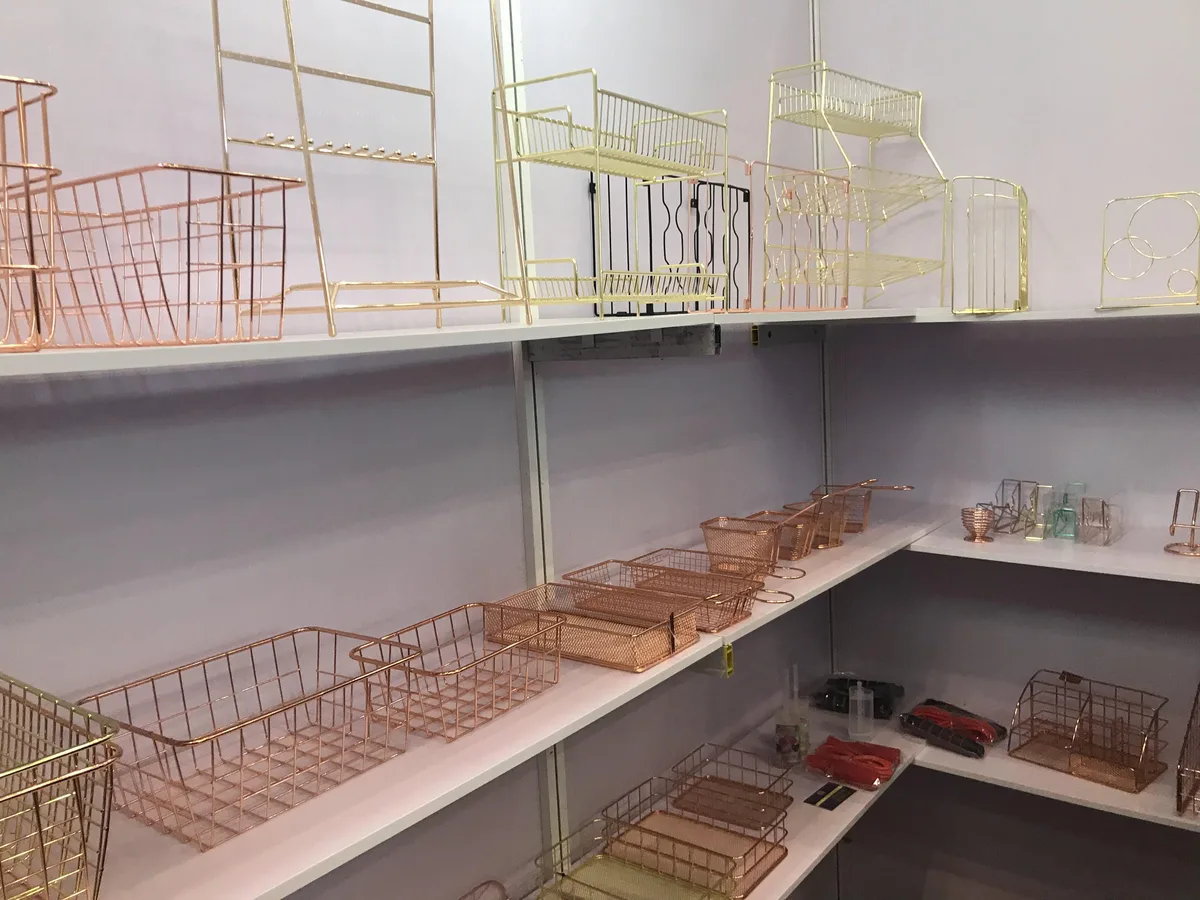
Sourcing implication: ask for a salt-spray or adhesion test if the item is for a humid market. Confirm the coating on edges and welds, not only on the flat surface. Pack with edge protection; metal arrives with marks more often than with structural damage.
Wood frames, small wall signs and framed art remain a reliable gift and home item. The 2028 opportunity is in the detail: a deeper frame, a coloured backing board, a printed mount, or a ready-to-hang system. These details justify a higher retail price without changing the basic construction.
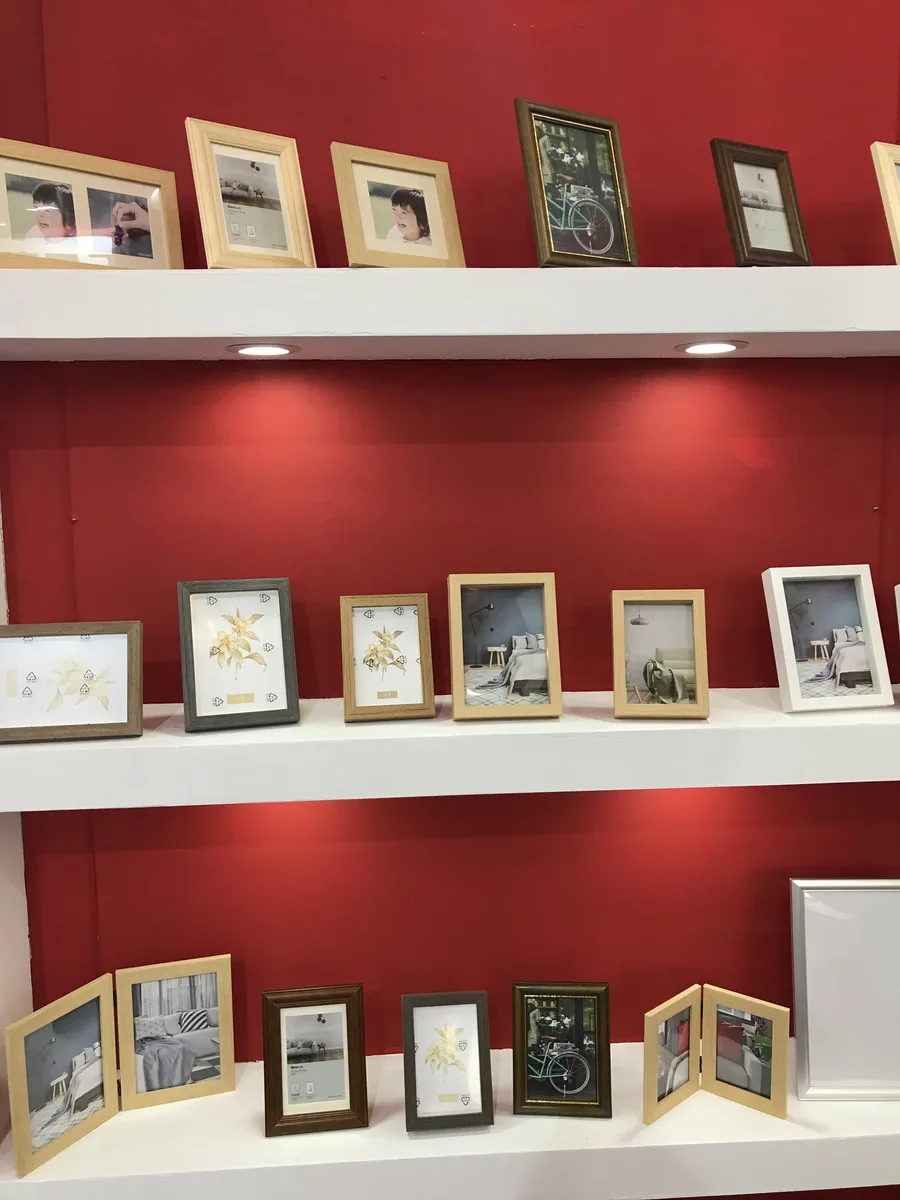
Sourcing implication: approve the frame profile, corner joint and backing board together. Check the hanging hardware and the glass or acrylic protection. For wood claims, ask what documentation the factory can actually support.
Across all six directions, the same three decisions repeat:
If you are building a range across several factories, read our guide to building one mixed homeware container before you set the order.
If you are shaping a 2028 range, start with the categories where you already sell, then add two or three adjacent materials to test. Browse our home décor categories or send us your target price points and reference images. We will come back with a material shortlist, a sample plan and a landed-cost estimate.