
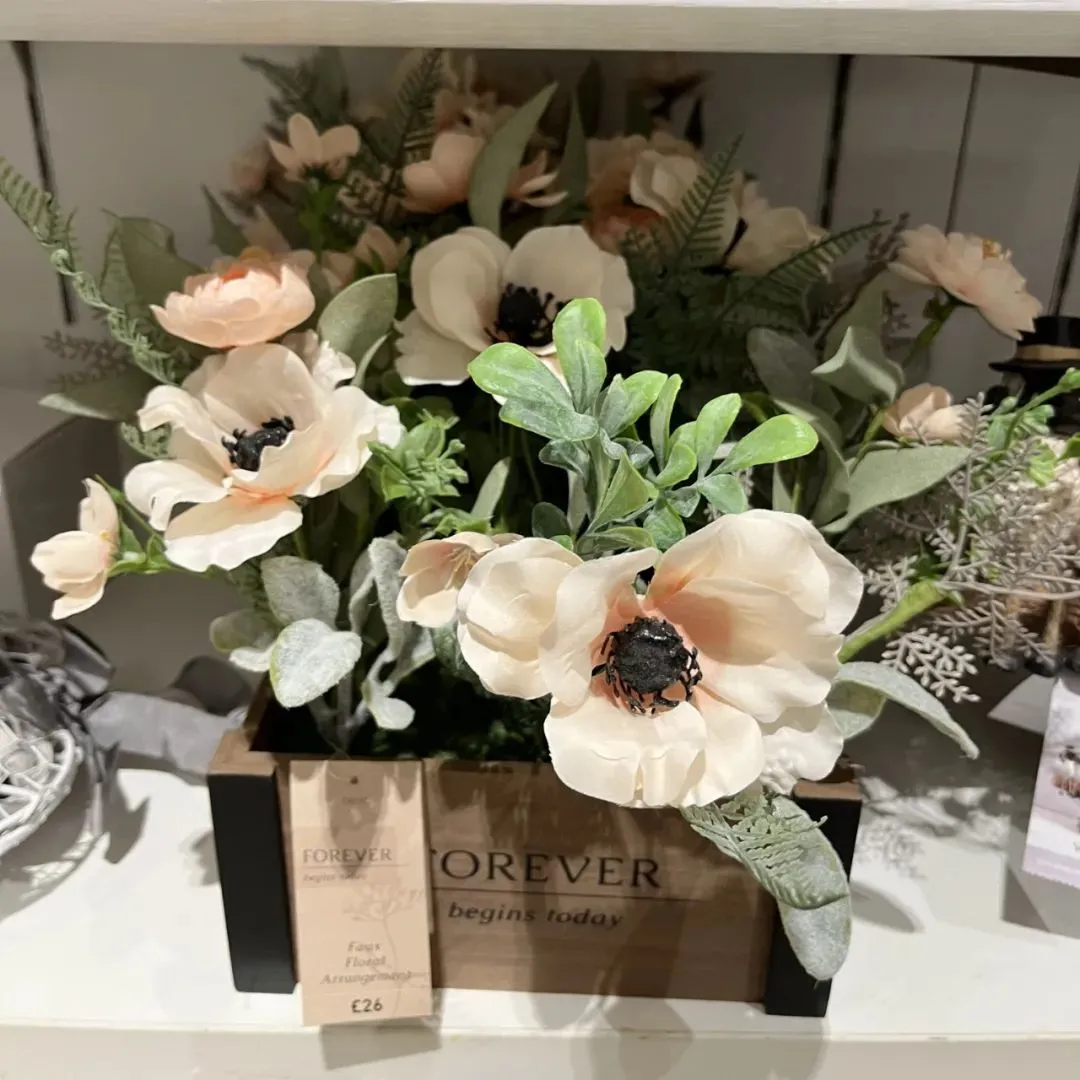
Spring/summer 2027 is already an ordering season, not a mood board. Retail floors in Europe and North America will reset from February, and the factories that can deliver a coherent range in April are being booked now. This is a sourcing view of the 2027 spring/summer directions that matter for home décor: six themes, the materials behind them, and the decisions that determine whether the range arrives on time.
The base is still warm neutral — oat, sand, clay, soft grey — but the accent is stronger and more saturated. Butter yellow, olive, terracotta and deep teal are being used on one item per story: a cushion, a small ceramic, a candle holder. It is a commercial way to refresh a shelf without changing the whole range.
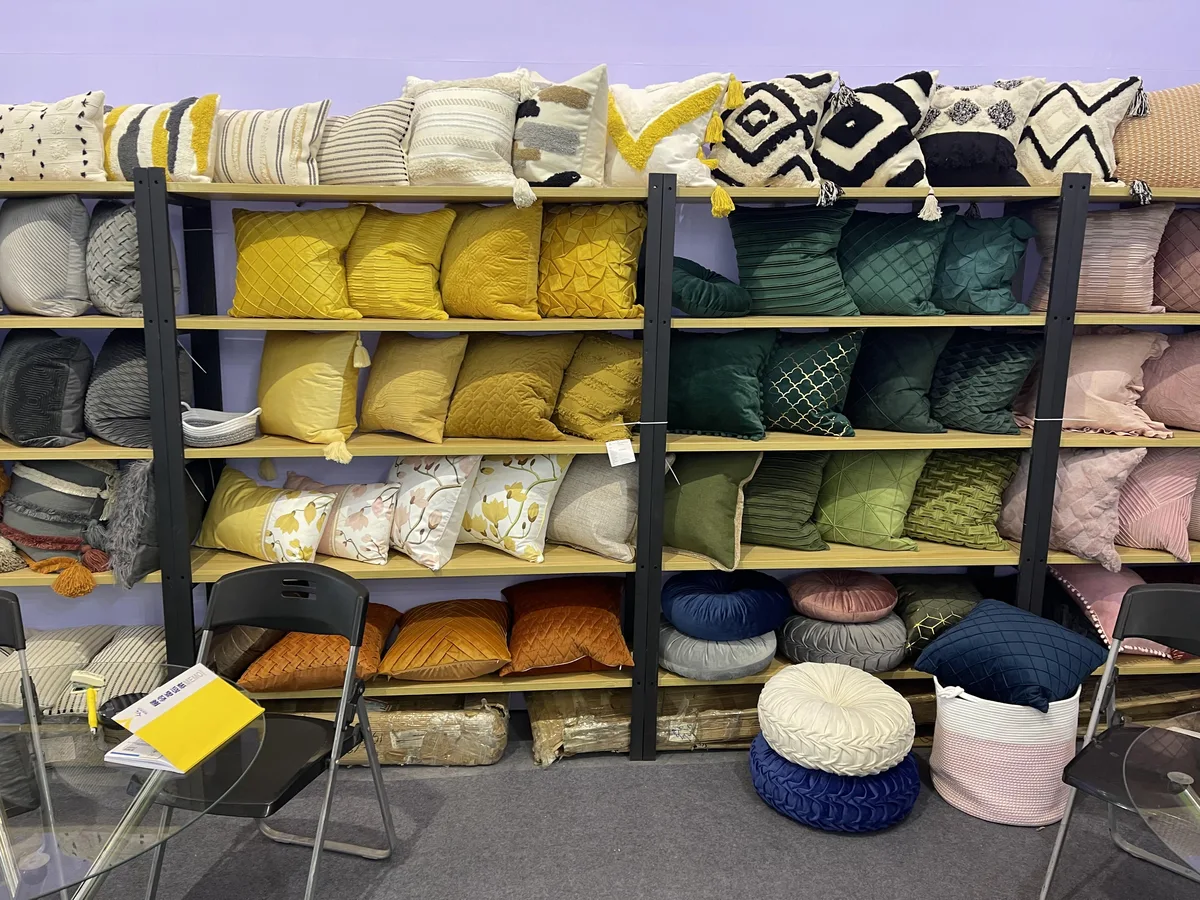
Sourcing implication: keep the neutral body as a stock colour and treat the accent as a seasonal overlay. Commit to the base material at a higher volume and test two or three accent colours in smaller quantities.
Vases, planters and tabletop ceramics are moving toward simple, sculptural shapes: wide bases, narrow necks, irregular rims, matte glazes. The look is calm, but the production risk is glaze variation. A beautiful studio sample is not a production standard.
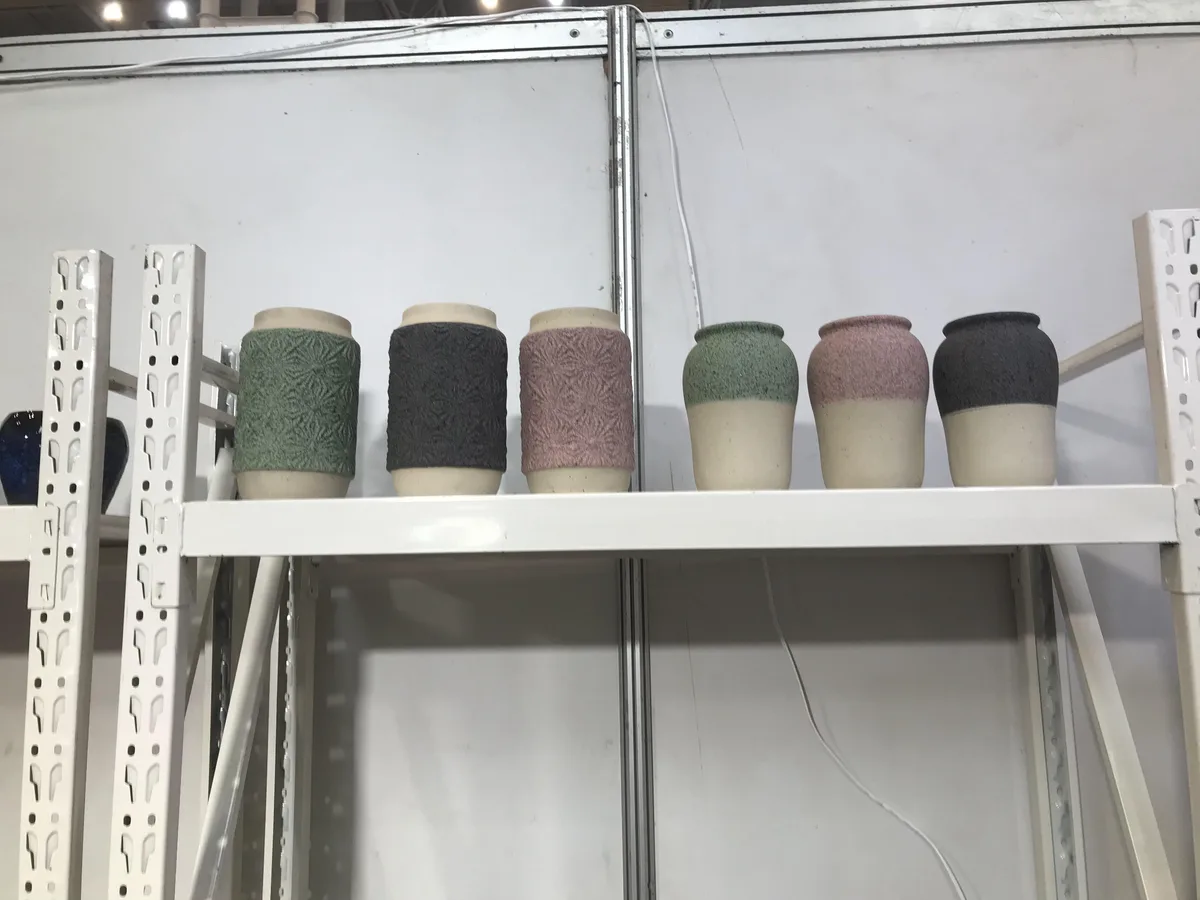
Sourcing implication: approve a glaze panel from the production kiln, agree the acceptable colour variation in writing, and check the water test and base finish for vases and planters.
Rattan, seagrass, jute and woven fibre continue to move from garden to living room. The commercial value is texture and warmth, not a complicated sustainability claim. Buyers want something that photographs well and packs efficiently.
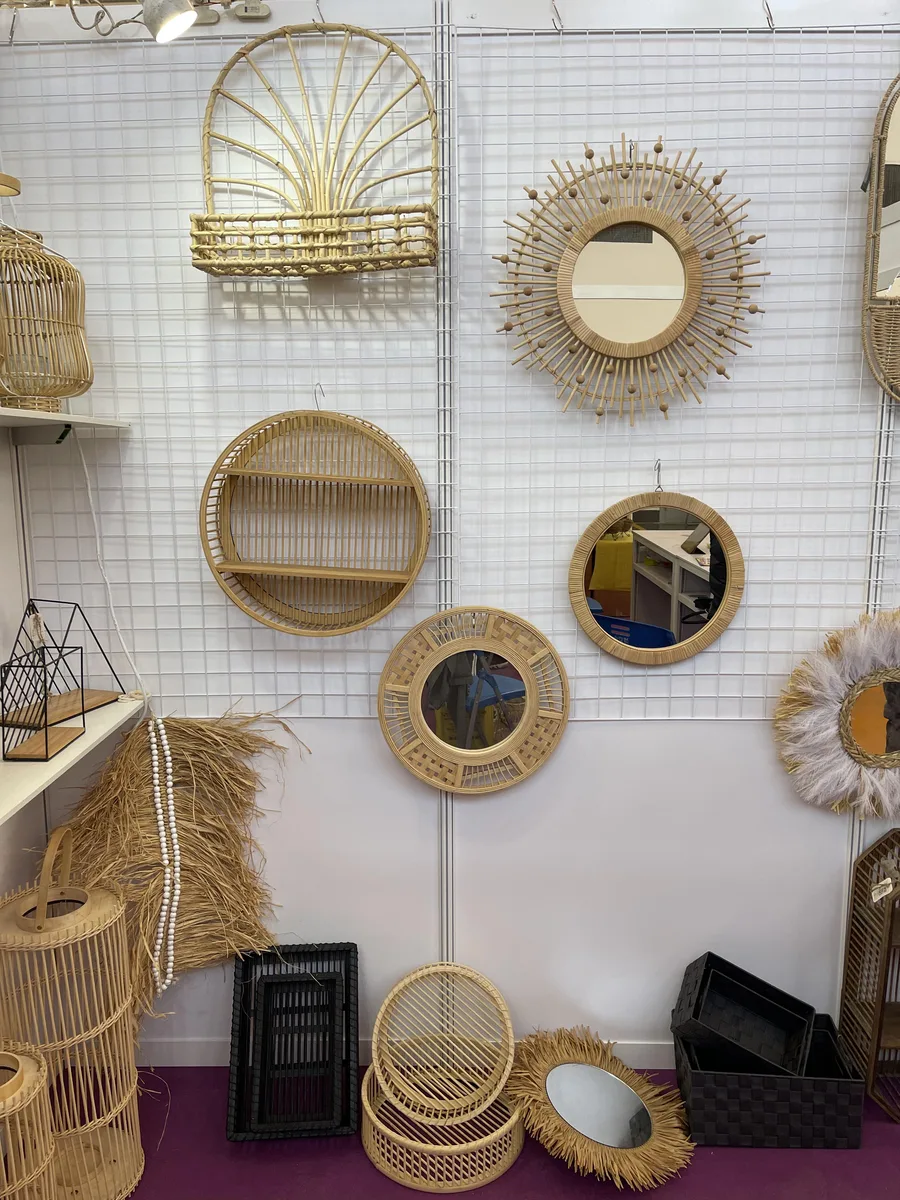
Sourcing implication: confirm fibre, dye method and moisture content. Natural fibre varies by lot, so approve a colour range and ask how the factory controls mould and odour in transit.
The line between garden and home décor is thinner. Lightweight planters, hanging pots and indoor-outdoor containers are being bought by home retailers as well as garden centres. The opportunity is a planter that looks good inside but can survive a balcony.
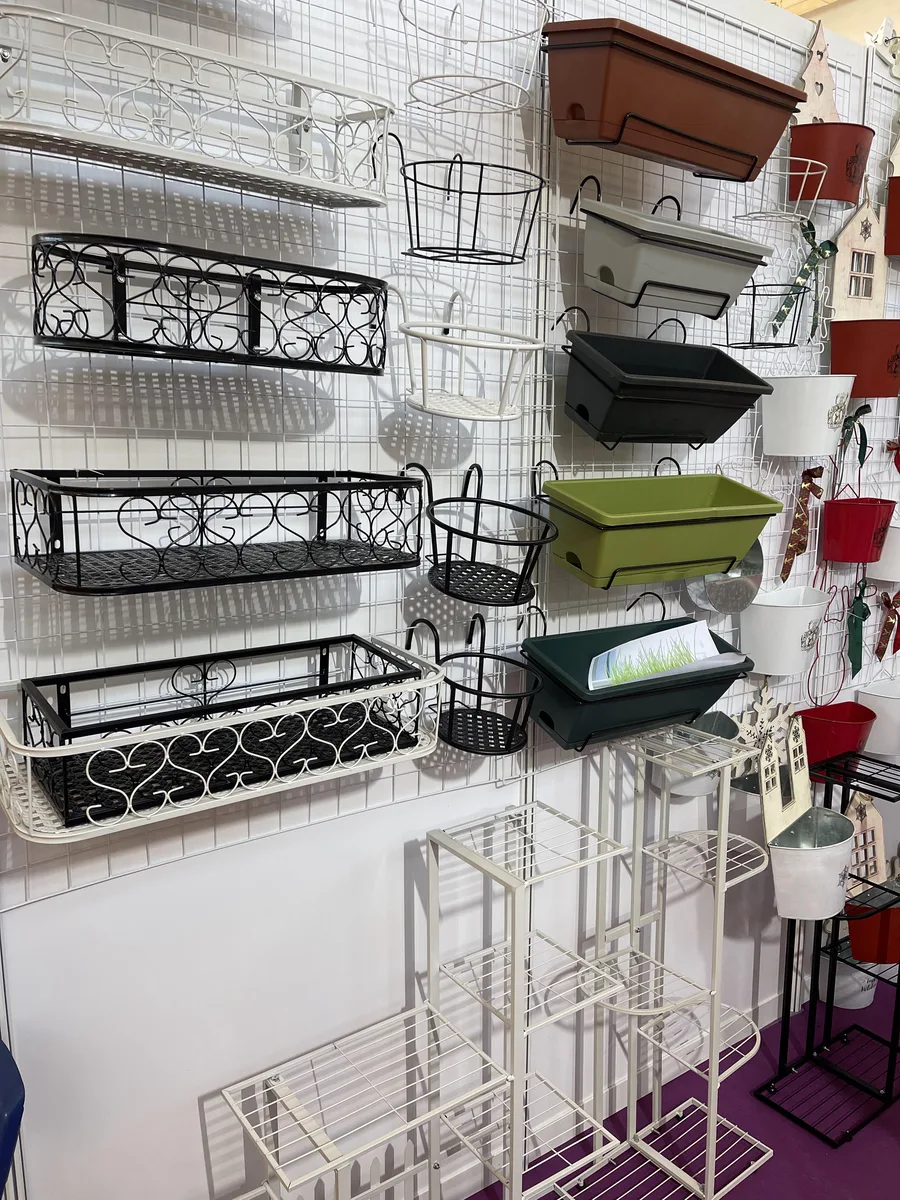
Sourcing implication: specify UV stability, frost resistance where relevant, drainage and the weight of the filled planter. Check how the finish survives outdoor exposure, not only how it looks in a showroom.
Candle holders and small decorative lighting are part of the same “quiet evening” story. Ceramic, glass and metal holders are being bought in sets, often with a candle or tealight. The unit price is low, but the packaging and safety information matter.
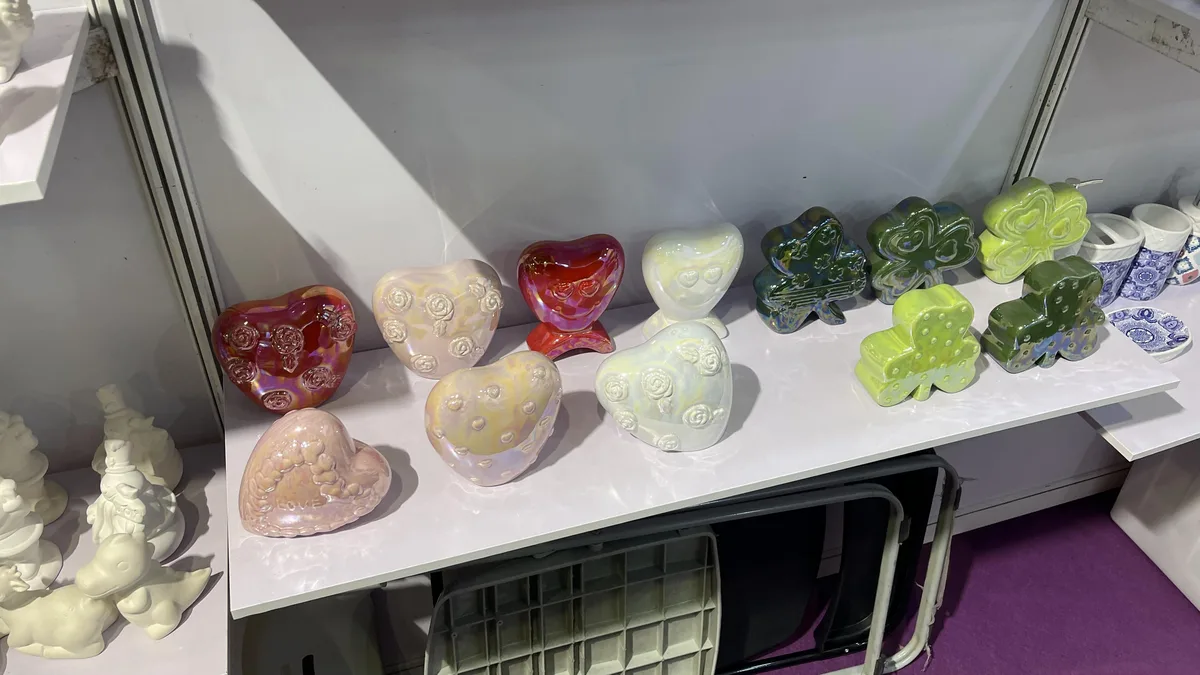
Sourcing implication: confirm heat resistance, stability and relevant safety labelling. For gift sets, approve the box, insert and barcode together with the product.
Frames, mirrors and small wall signs are being merchandised as a set rather than as individual items. A wall story might combine a wooden frame, a mirror and a small shelf. The retail value comes from the combination, not from any single piece.
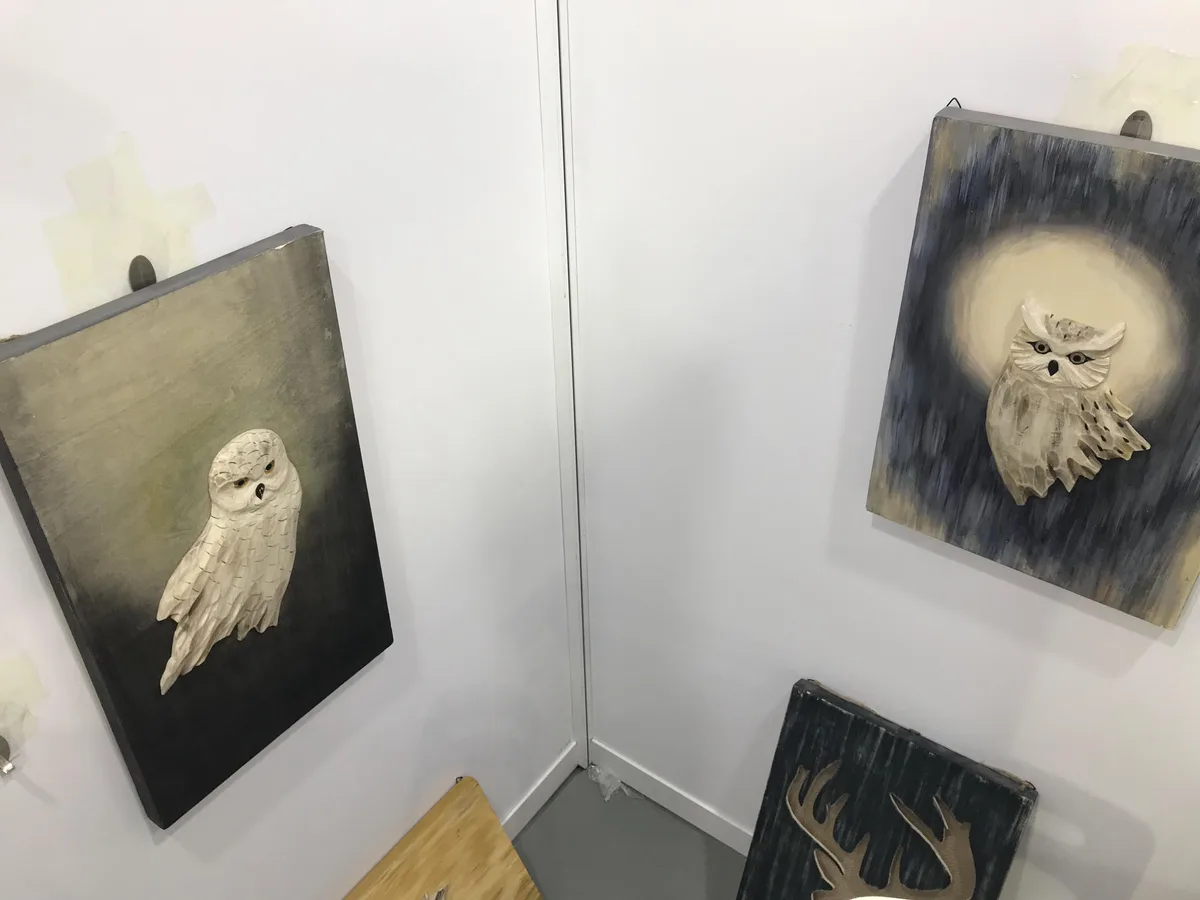
Sourcing implication: approve the frame profile, corner joint, backing board and hanging hardware together. Check the glass or acrylic protection and the carton drop test.
Across the six directions, the same decisions repeat:
If you are building a range across several factories, read our guide to building one mixed homeware container before you confirm the order.
If you are building a 2027 spring/summer range, start with the categories where you already sell, then add two or three adjacent materials to test. Browse our home décor categories or send us your target price points and reference images. We will come back with a material shortlist, a sample plan and a landed-cost estimate.