
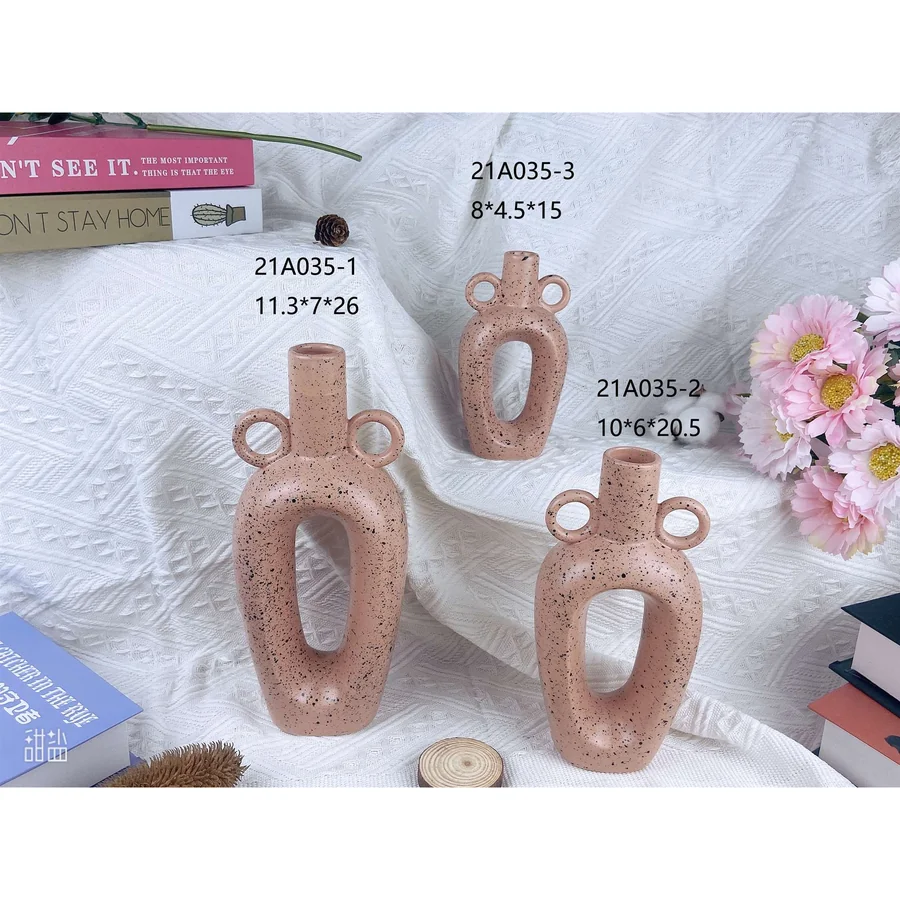
Vases and planters are the accessory that makes a room or a doorway read as finished, and they sell in two quite different ways: as a decorative object bought on shape and glaze, and as a functional container bought on size, drainage and durability. We supply wholesale vases and planters from China in ceramic, stoneware, terracotta, glass, metal, resin, cement and woven natural fibre, from bud vases and cachepots to floor vases, hanging baskets and outdoor planters. Every design and every finish is confirmed on a physical pre-production sample, and every shipment is inspected against that approved sample before loading.
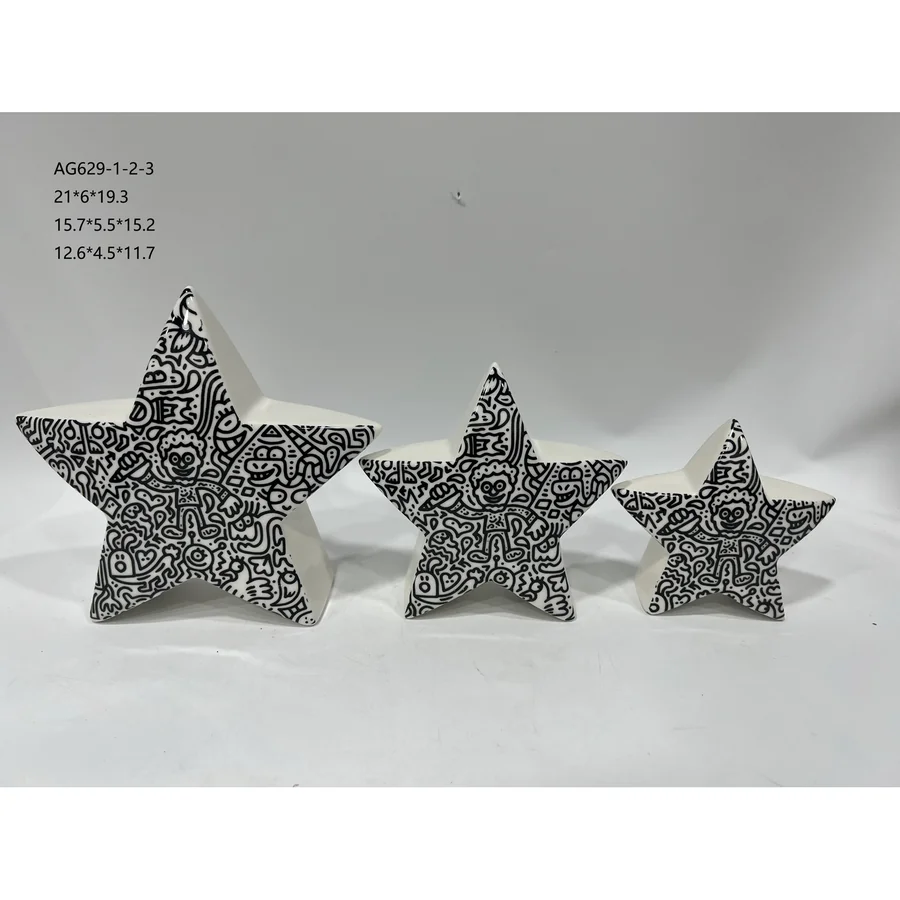
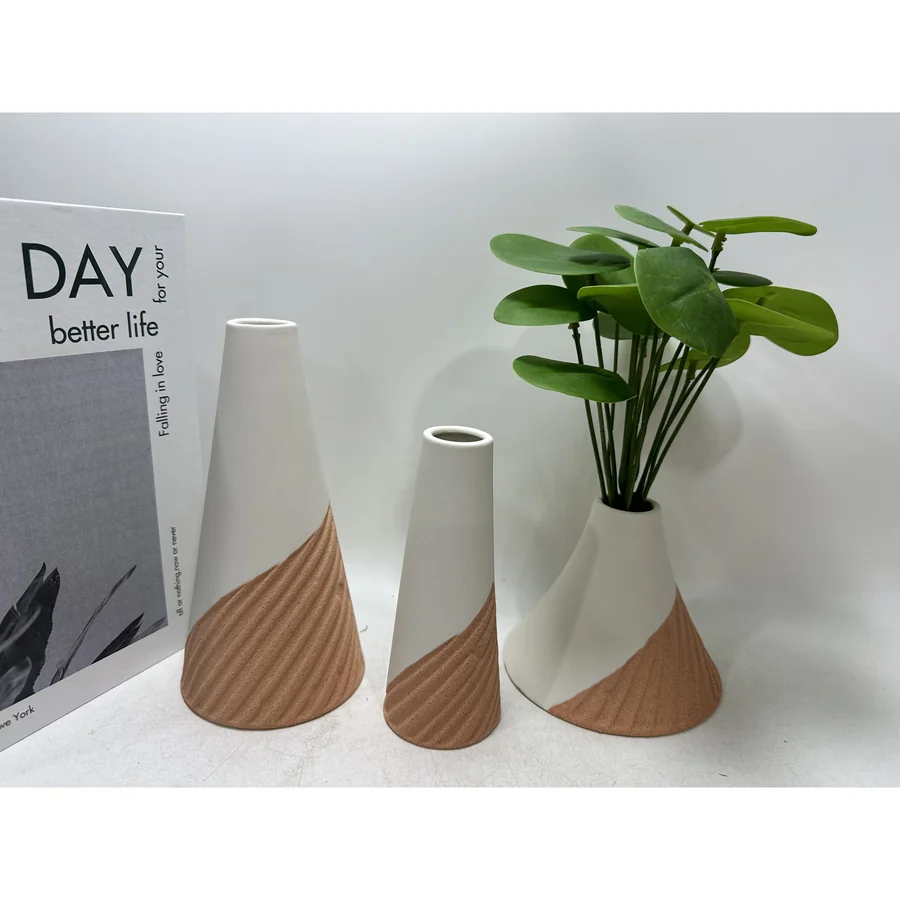
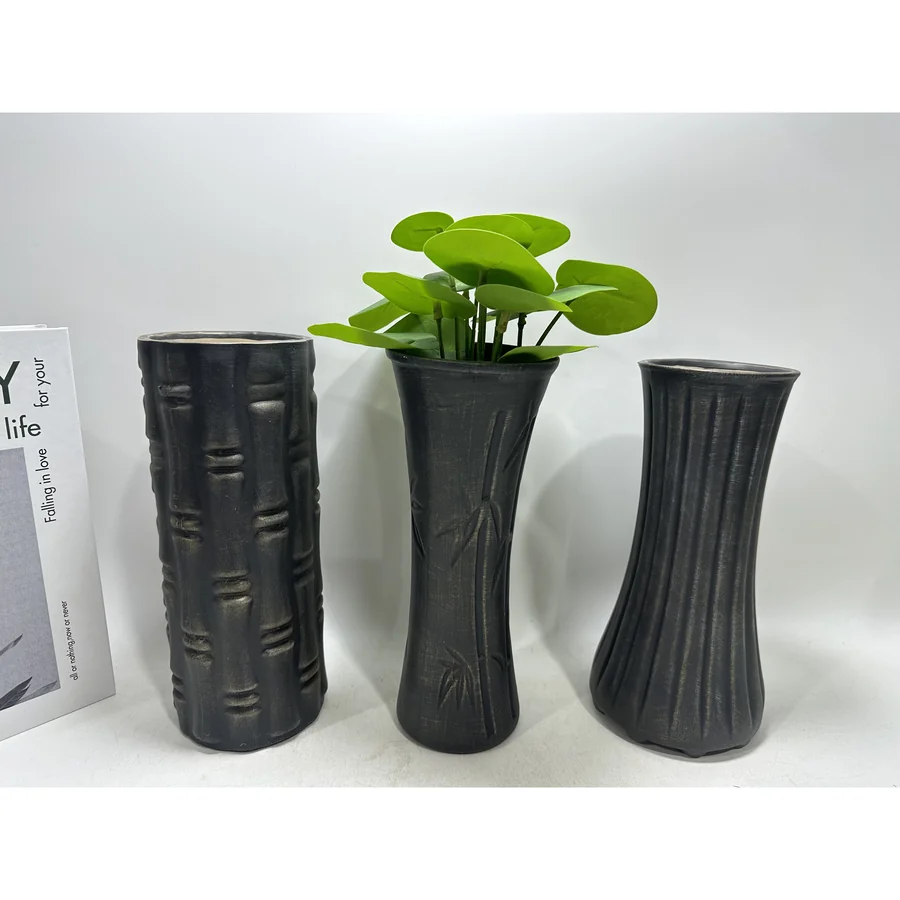
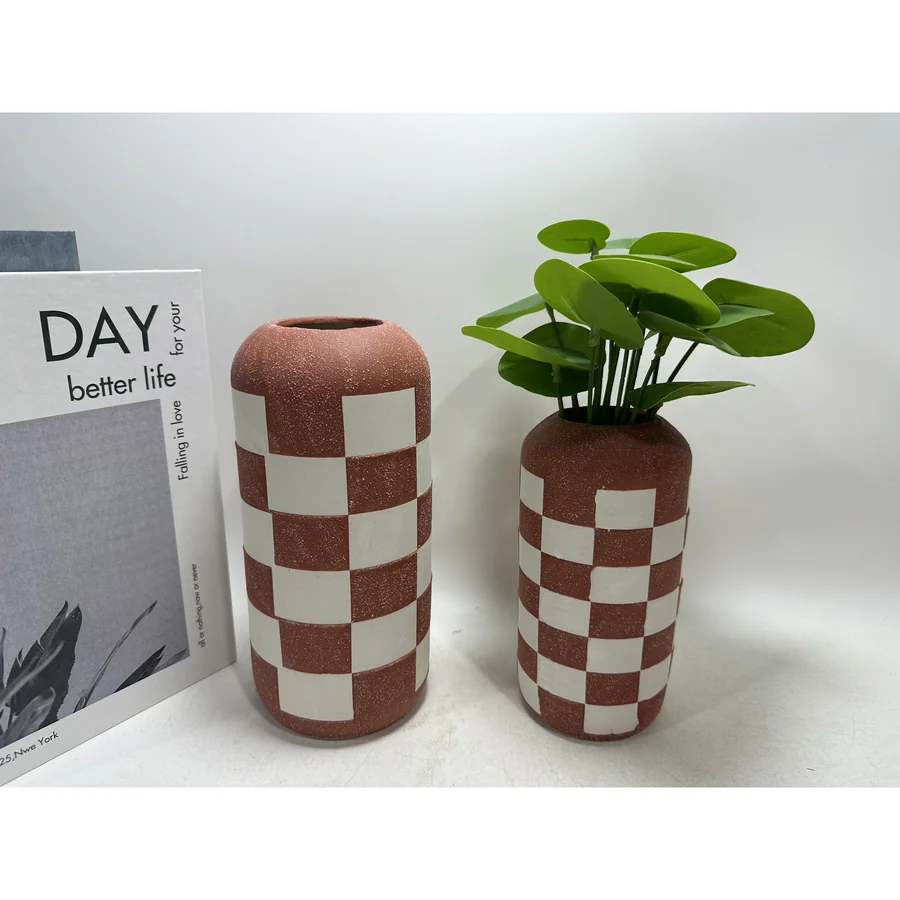
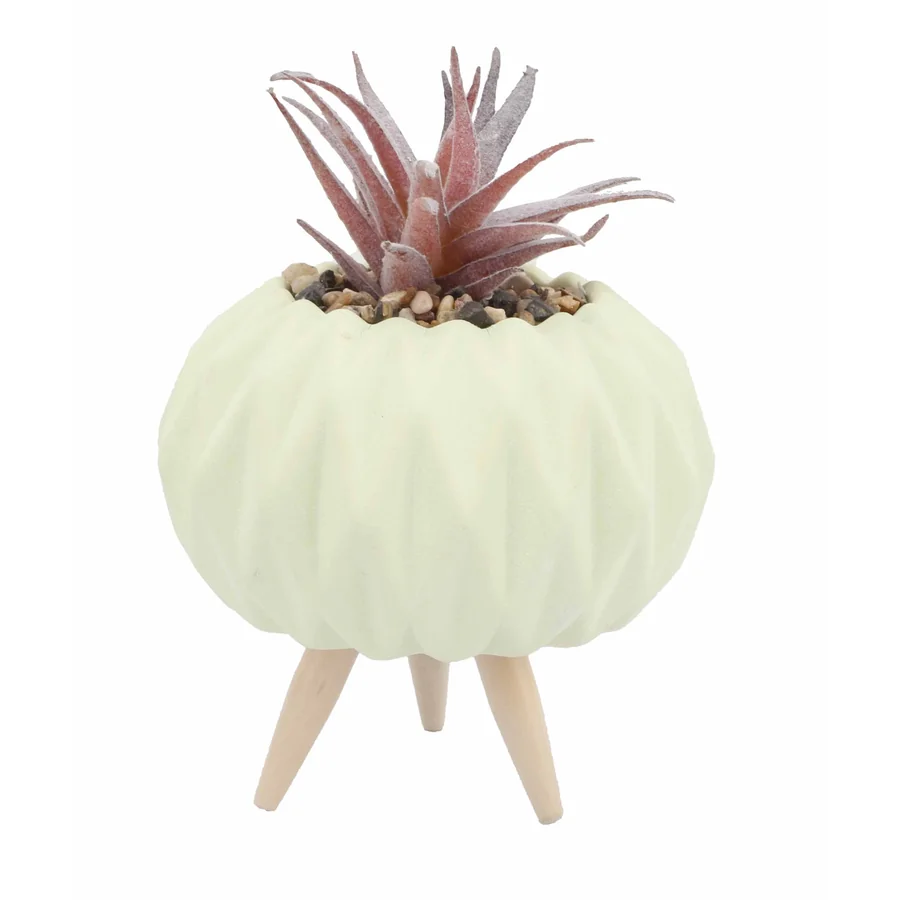
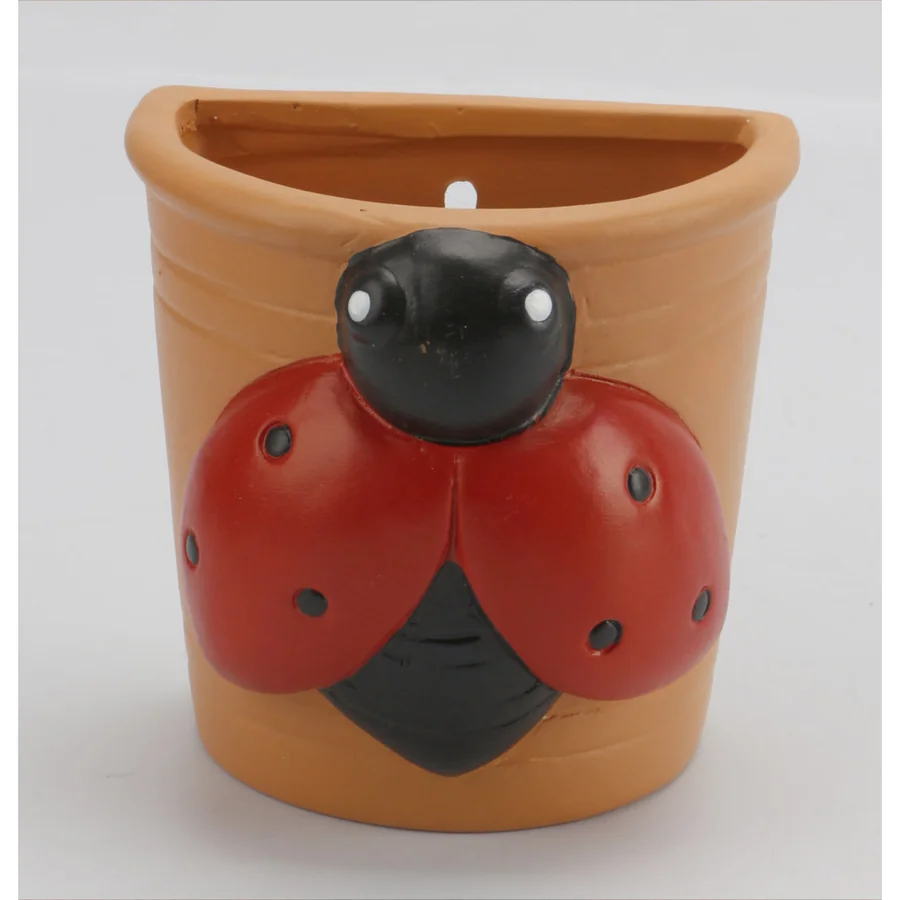
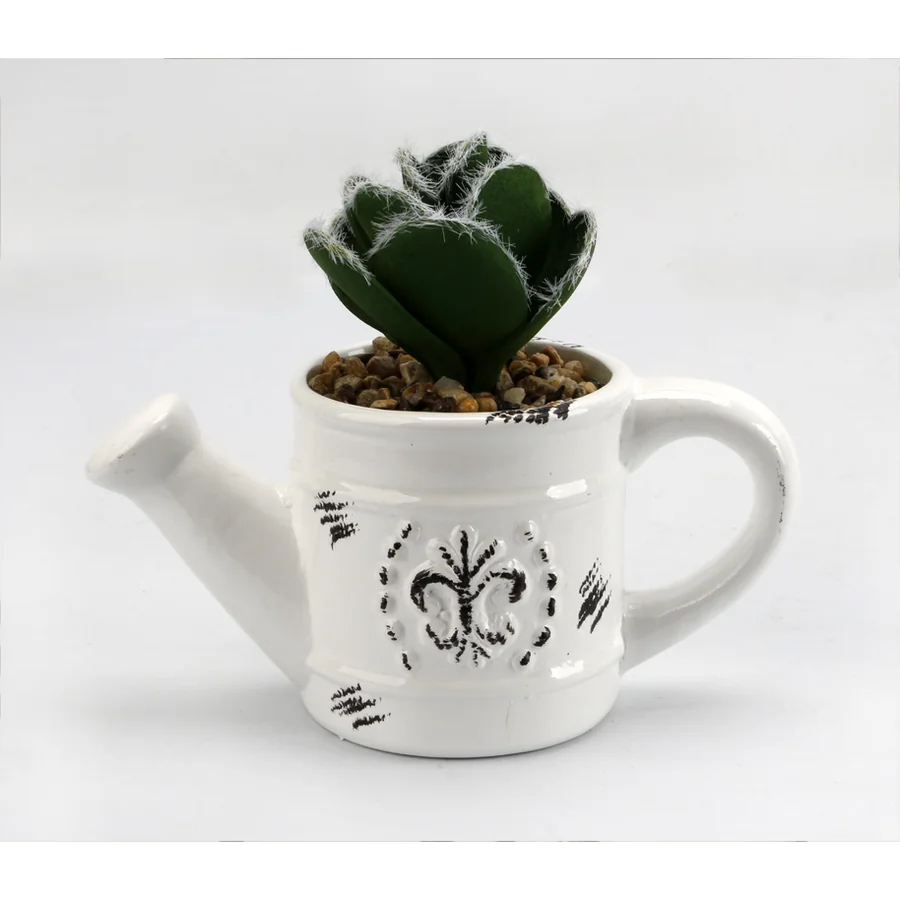
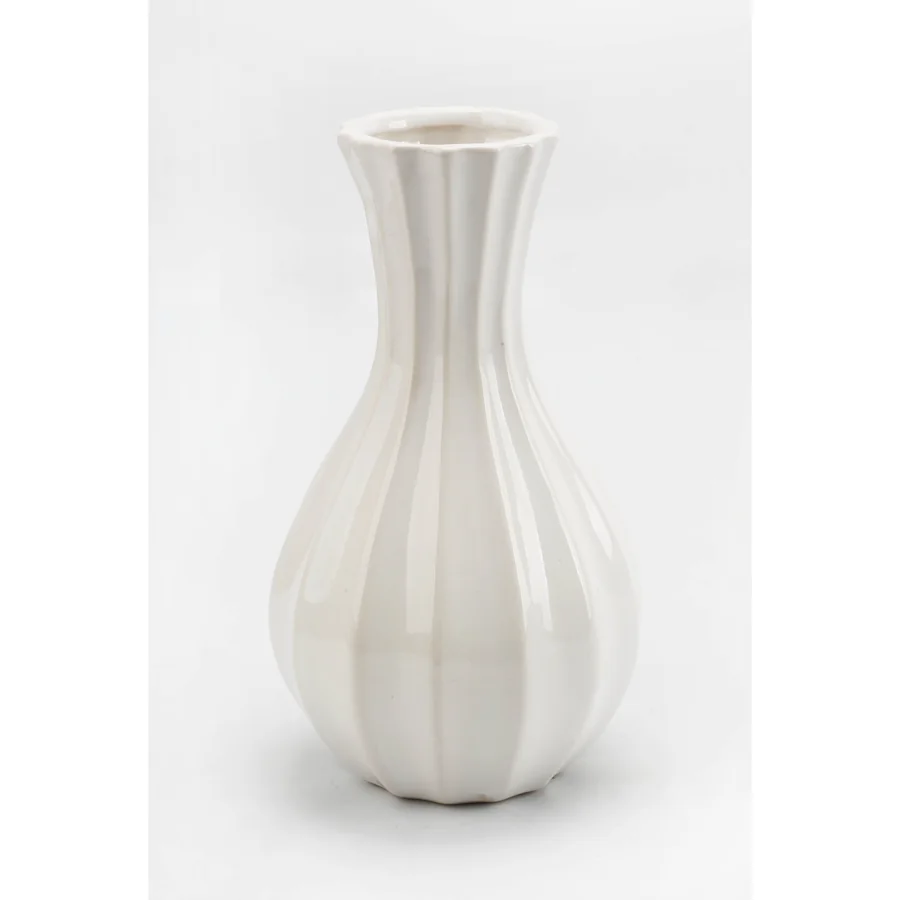
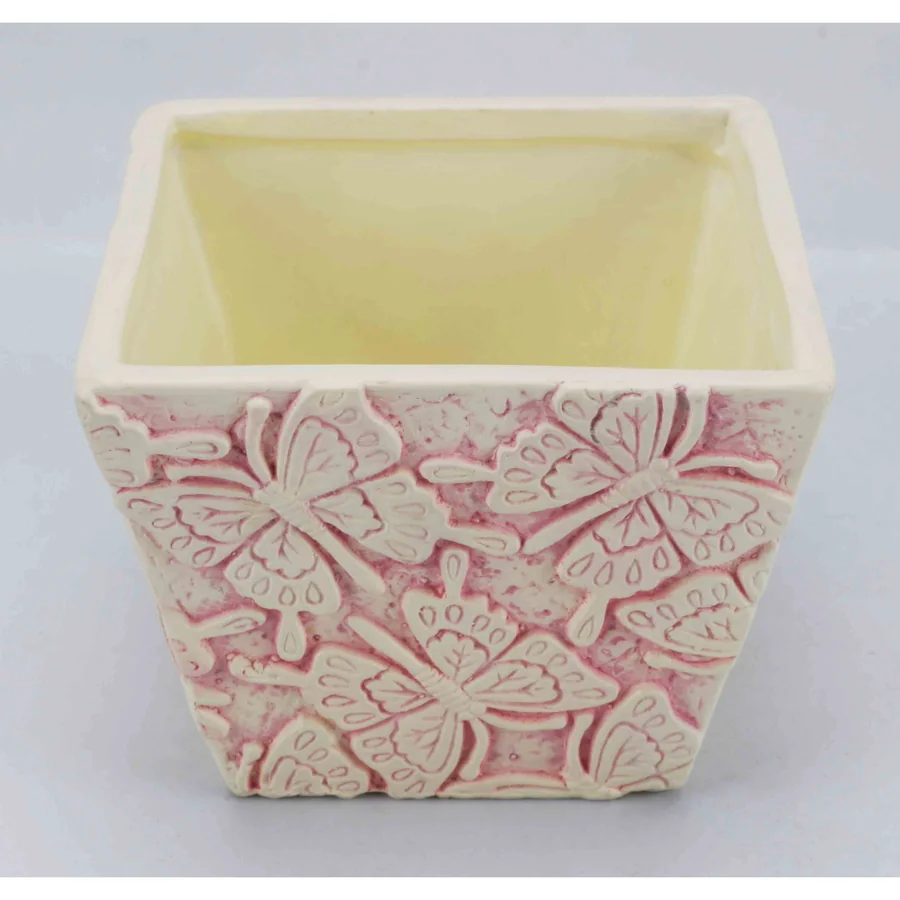
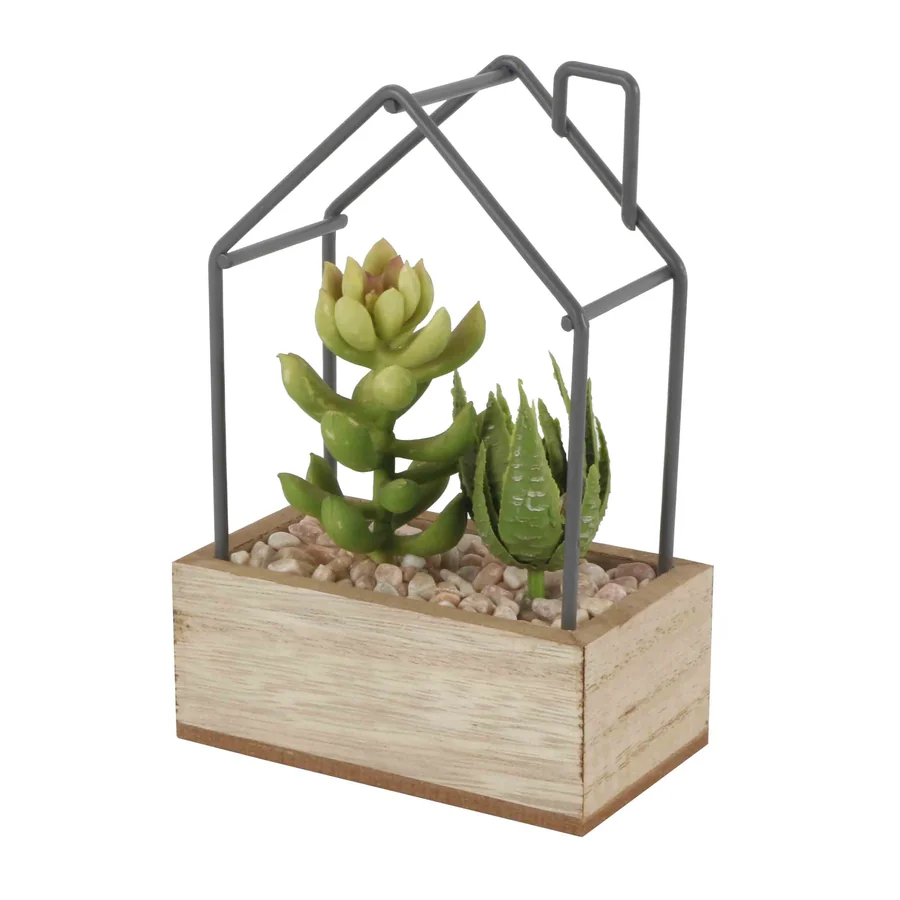
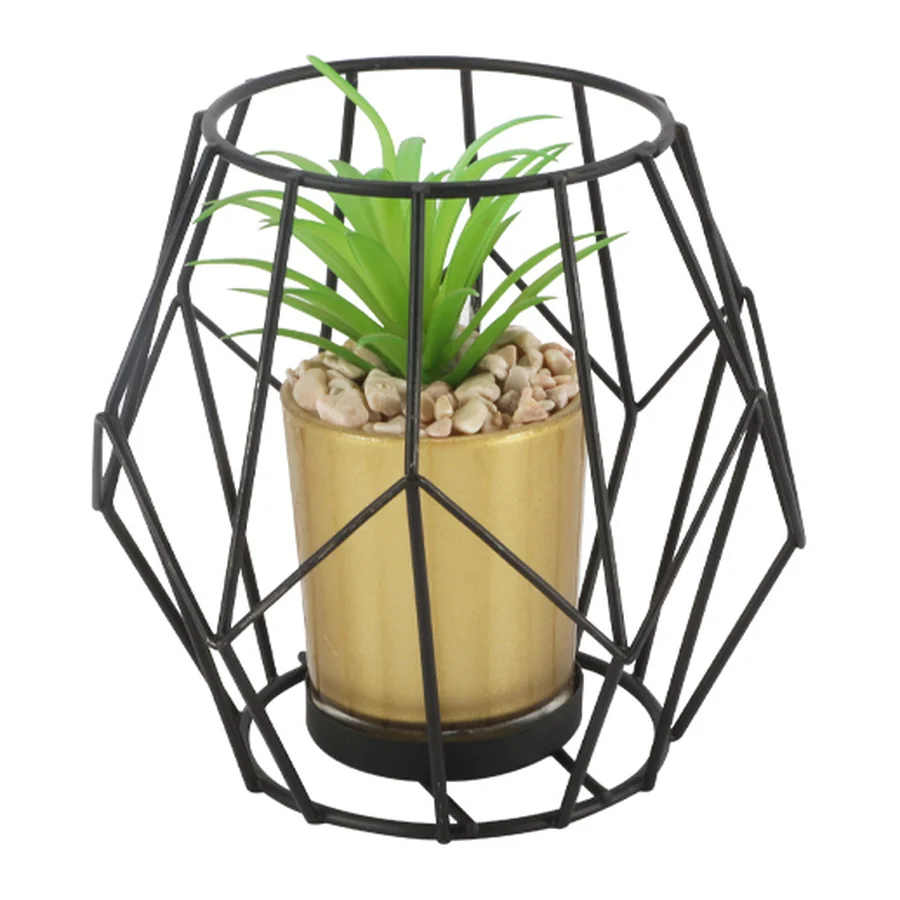
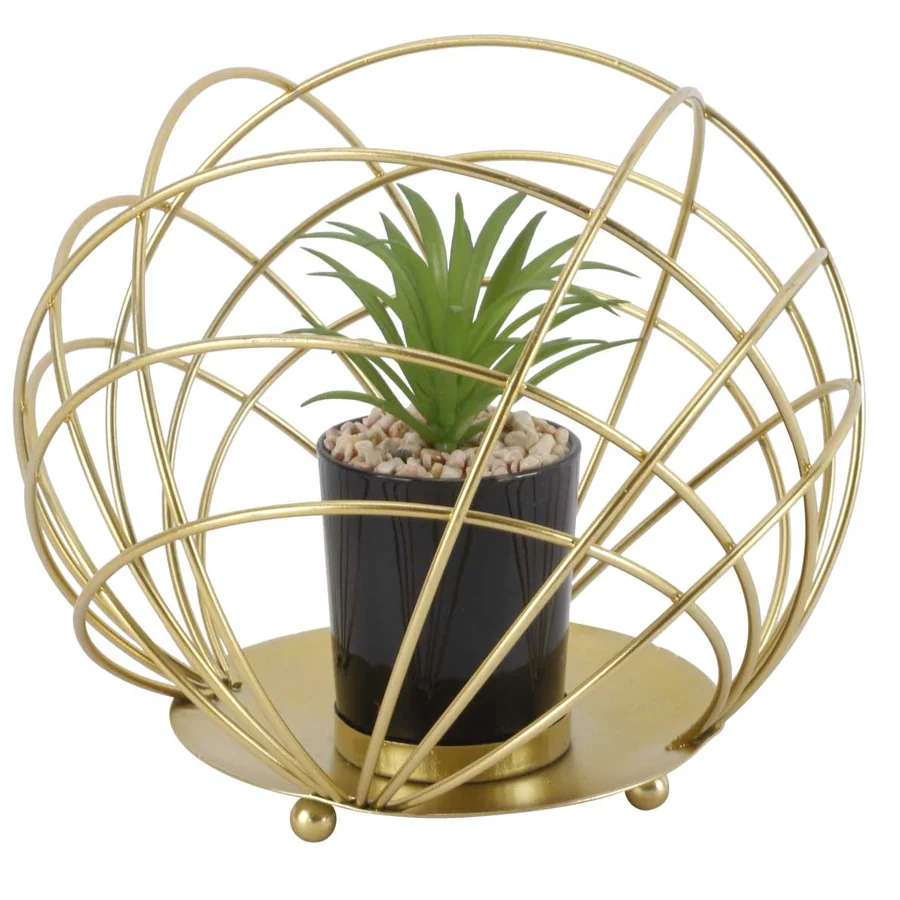
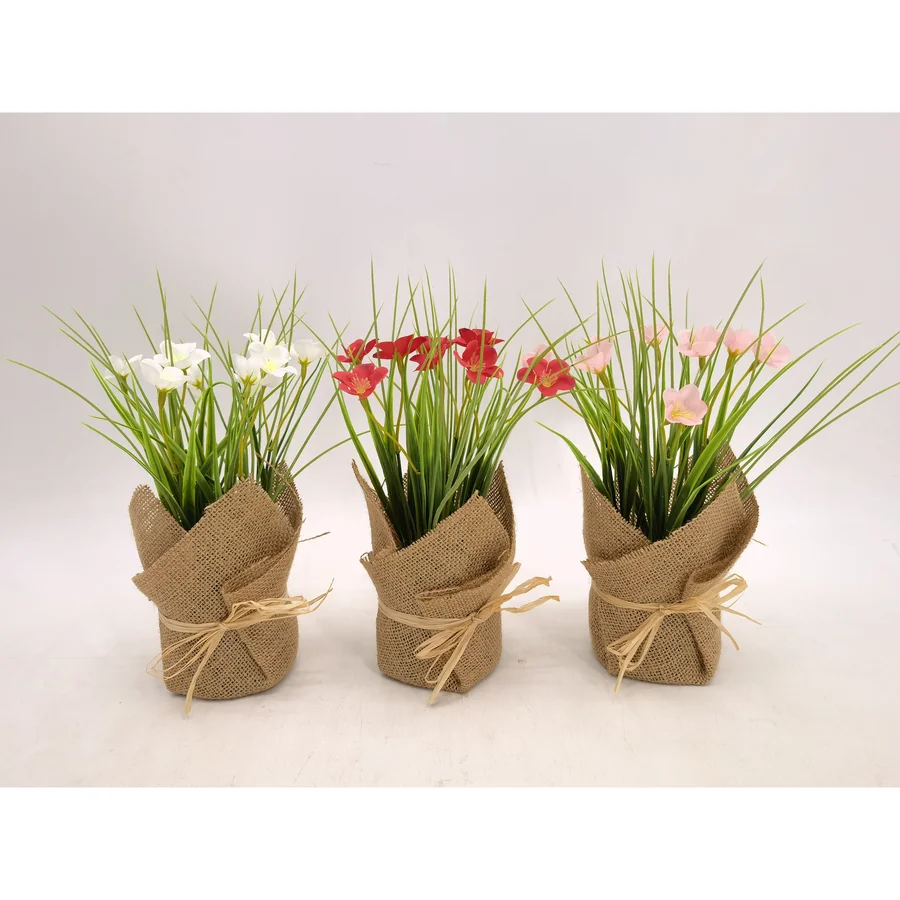
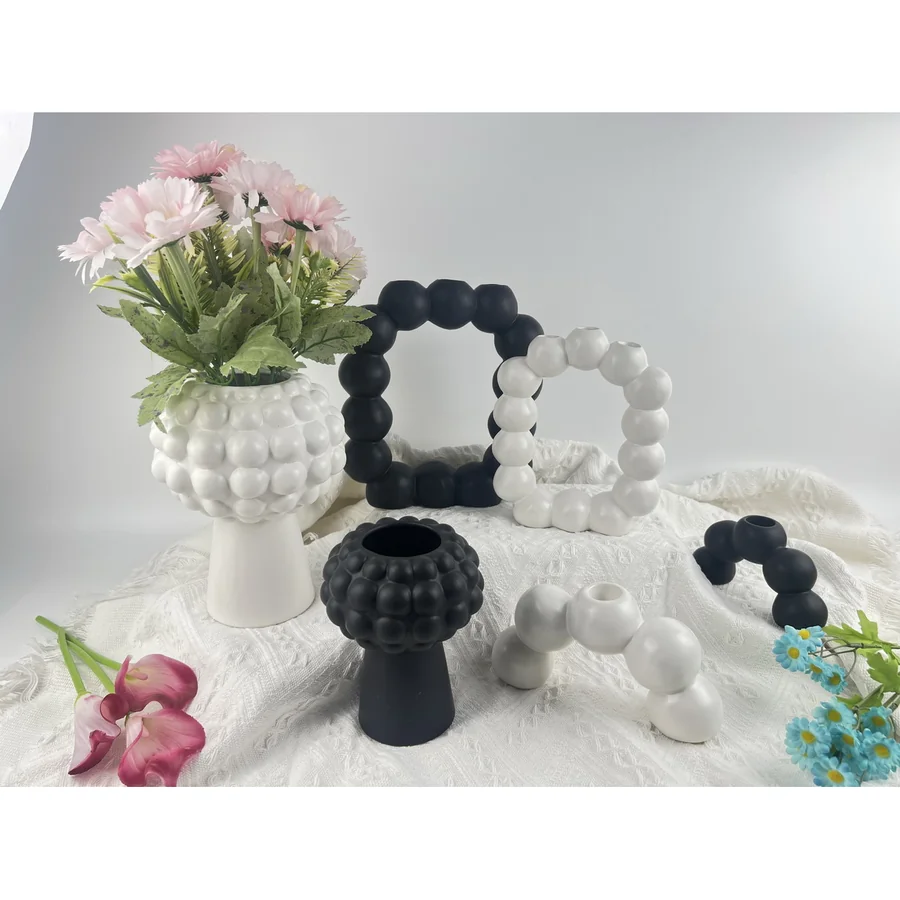
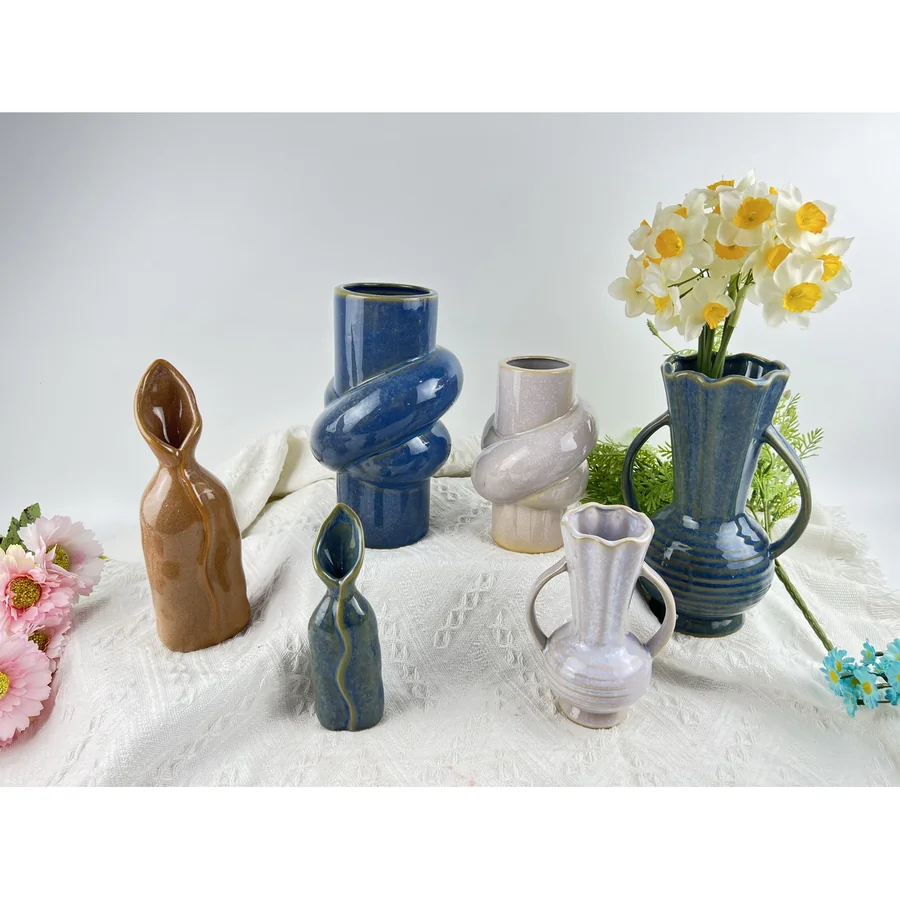
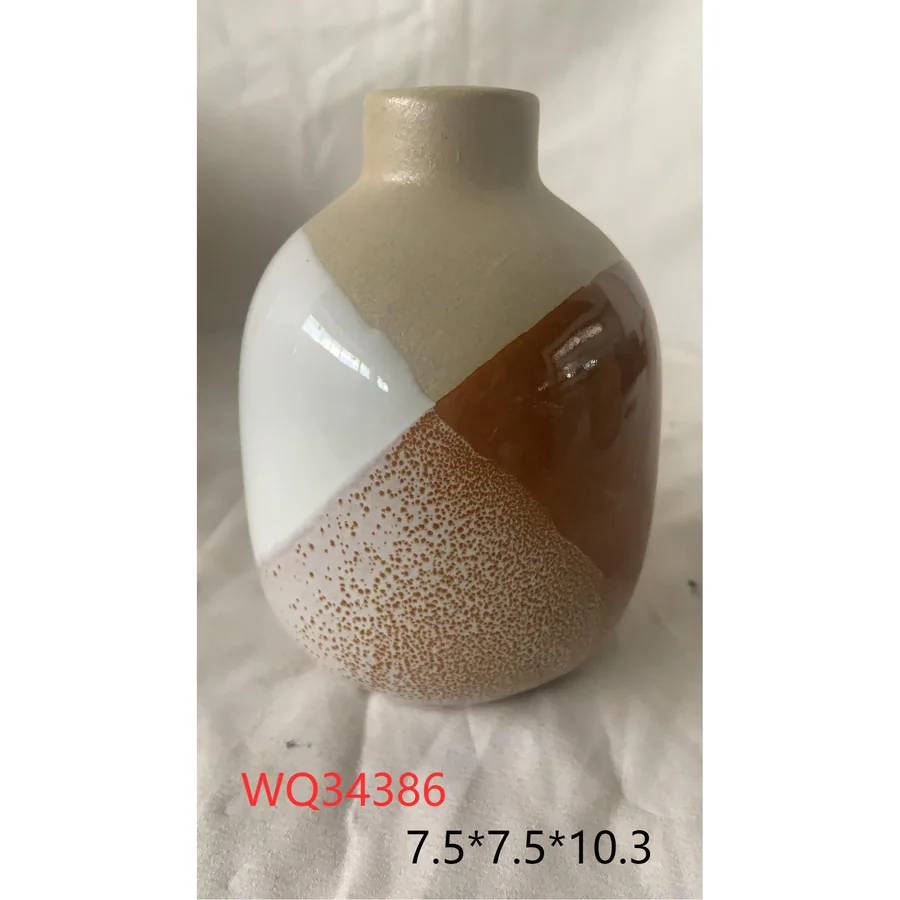
The vase is a shape-and-finish product, and the material decides both the cost and the failure mode. Ceramic and stoneware carry the volume: a press-moulded or slip-cast body in a matte, reactive, crackle or gloss glaze, with the quality signals being glaze evenness, controlled crazing and a flat, stable base. Porcelain gives the thin, bright white wall that sells the premium table vase, while terracotta is the natural, unglazed look that suits rustic programmes and needs a sealed or lined interior if it is going to hold water. Glass is the second volume material — mouth-blown for organic shapes and machine-pressed for repeatable, tight-tolerance work — in clear, tinted, frosted, ribbed, fluted and mercury-silvered finishes, and it is the material where the packing specification, rather than the price, decides whether the order arrives intact.
Metal, resin and mixed materials cover the rest of the shelf. Powder-coated steel and aluminium give lightweight, contemporary cylinders and geometric frames; plated and antiqued brass-look finishes sit at the gift end; polyresin and cement-based bodies let us produce sculpted and heavy-look pieces at a manageable freight weight; and woven seagrass, rattan and bamboo baskets bring the natural-material story. Whatever the material, the finish is signed off on a physical sample rather than from a photograph, because glaze depth, plating tone and matte lacquer read quite differently on screen and under retail light.
A planter is bought for the plant, so the specification is drainage, volume and weather resistance rather than decoration. We quote planters with a pre-drilled or knock-out drainage hole and a matching saucer where the market needs one, with the internal volume stated in litres so the buyer can pair the pot to the root ball. For indoor ranges, ceramic, stoneware, glazed terracotta, glass and woven fibre are the working materials; for outdoor ranges, the material choice is decided by frost resistance and UV stability, and we specify a concrete, fibreglass, polyresin, galvanised or powder-coated metal body that has been freeze-thaw tested and UV tested rather than assuming a terracotta or a glazed body will survive a winter outside.
Self-watering inserts, wall-mounting brackets, hanging chains and coco or felt liners for hanging baskets are all quoted with the planter, because a planter that cannot be hung or watered is a return, not a sale.
Vases and planters are quoted as a size family rather than a single size, because the shelf and the price ladder are built on graduated heights. The working library is:
Three measurements decide whether a vase works in retail: the opening diameter, because it decides what the customer can actually put in it; the water capacity, because it decides how long the flowers last; and the base diameter, because it decides whether the piece stands up. For planters, add the internal volume and the drainage arrangement. We confirm all four on the pre-production sample and print them on the specification sheet, so the buying team, the freight forwarder and the customer are working from the same numbers.
This is a category where the compliance question is often "is it decorative or is it food contact?", and the answer changes the test route completely. A vase is normally a decorative article, which we label as such rather than claiming food safety; where a piece is sold as food contact — a bowl, a cup or a serving dish — it is tested for lead and cadmium release to the ceramic food-contact rules of the destination market (FDA 21 CFR 175.300 and California Prop 65 in the United States, Directive 84/500/EEC with EN 1388-1 and EN 1388-2 in the European Union) rather than being assumed to pass.
Shihm is a trading company rather than a testing laboratory, so we do not issue our own certificates: we work with partner factories, confirm the test route against your destination and your customer's specification sheet, and support third-party inspection and testing (SGS, BV, TUV or your nominated laboratory) on request, with the reports issued under that laboratory's name.
Ceramic, terracotta and glass are the highest claim-risk lines in home décor, so the packing is designed before production rather than chosen at the end. Each unit is individually protected — bubble bag, foam wrap or a moulded pulp insert — cartons are interleaved and corner-protected, and the master carton is specified against the drop-test standard you intend to ship against. Breakage is a cost that is paid either in packing material or in claims, and the packing standard is agreed in writing on the approved sample.
These pieces are also heavy for their volume, which makes freight the second design constraint: a 45 cm concrete planter that looks right in the showroom can be uneconomic to ship, so we quote the weight per unit before the design is frozen and offer the lightweight composite alternative where the freight maths does not work. Where the order mixes vases and planters with soft furnishings and other light décor, the two are balanced in the loading plan so the container is filled on both weight and cube, and the whole mix travels on one plan and one set of documents.
We inspect against the approved pre-production sample before loading and issue the inspection report with the shipping documents.
Work from the display first. A vase sells because it completes an arrangement, so the fastest-selling programmes ship the vase as part of a size family — a bud, a mid and a tall version of the same silhouette — so the customer can buy the set rather than a single piece. A planters programme is built the same way, around a diameter ladder from a 12 cm table pot to a 40 cm floor planter, so the retailer can offer the same look for a windowsill and for a patio.
Two decisions matter more than the design list. First, decide indoor or outdoor before choosing the material, because frost resistance and UV stability change the body, the glaze and the cost. Second, decide whether the piece is decorative or functional: a vase that will hold water needs a sealed interior and a stable base, and a planter that will hold a live plant needs drainage and a stated volume. Getting those two answers right at the start saves a re-sample later.
A standard programme takes eight to ten weeks end to end: seven to ten days for counter samples, thirty to forty-five days for production after deposit, and twenty-five to thirty-five days sea freight. New moulds, a custom glaze or a custom size add fifteen to twenty days at the sampling stage, so they have to be started earlier.
If your programme is tied to a fixed retail set-up date, tell us the date at the start and we will work backwards from it and confirm the last acceptable order date in writing.
Can I buy vases and planters as a mixed order? Yes, and most buyers do — the vase family, the cachepots and the floor planters are quoted and shipped as one order, with the packing designed across the whole set.
Are your vases and planters food safe? A vase is supplied as a decorative article and is labelled as such. Where a piece is sold as food contact, it is tested for lead and cadmium release to the destination market's ceramic rules rather than assumed to pass.
What is your MOQ? From 500 pcs per design and finish on stock moulds; 1,000-3,000 pcs where a new mould, a custom glaze or a bespoke size is involved.
What are your lead times? Seven to ten days for counter samples, thirty to forty-five days for production after deposit, plus twenty-five to thirty-five days sea freight to Europe or the US East Coast.
Will the planters survive outdoors all year? Where a planter is specified for outdoor use we agree a frost-resistant body, a freeze-thaw test and a UV-stable finish at sampling, and we will say plainly when a material is only suitable for a sheltered position.
Do the planters have drainage holes? Yes, planters are quoted with a pre-drilled or knock-out drainage hole and a matching saucer where the market needs one; self-watering and reservoir options are also available.
Can you match a glaze or a colour to our own sample? Yes. Send a physical sample or a Pantone reference and we will confirm the match on a pre-production sample, keeping the approved piece as the reference for production.
How heavy will a large planter be, and does that affect the freight? We quote the unit weight before the design is frozen and offer a lightweight composite alternative where the freight maths does not work, so the weight is a decision rather than a surprise.
How do you pack ceramic and glass for export? Individual protection, interleaving, corner protection and a master carton designed against a defined drop test, with print-ready packing for e-commerce sellers.
Can you put our brand on the product and the packaging? Yes — printed or applied labels, branded boxes, hangtags and retail cartons, working to your own artwork and dieline.
How do we start a vases and planters programme? Send reference images, your target retail price points and whether the range is indoor or outdoor; we will come back with mould options, a sample timetable and a landed cost estimate.