
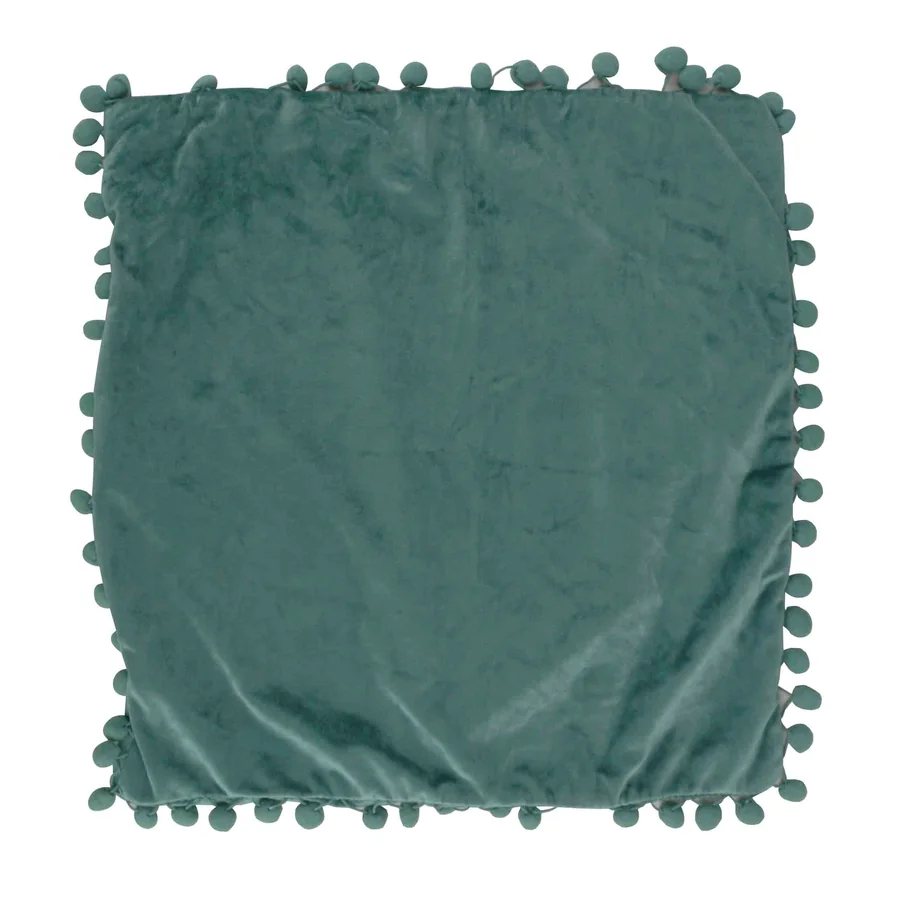
Soft furnishings are the highest-repeat line in home décor: a cushion and a throw are bought, replaced and re-bought every season, and a retailer that gets the fabric weight, the colour fastness and the care label right can build a programme that runs all year. We supply wholesale textiles and soft furnishings from China — cushions and covers, throws and blankets, curtains and drapes, table linen, aprons and tea towels, quilts and bedspreads — in cotton, linen, poly-cotton, velvet, faux fur, jute and recycled polyester, printed, woven, embroidered or tufted to your own design. Every construction is confirmed on a physical pre-production sample, and every shipment is inspected against that approved sample before loading.
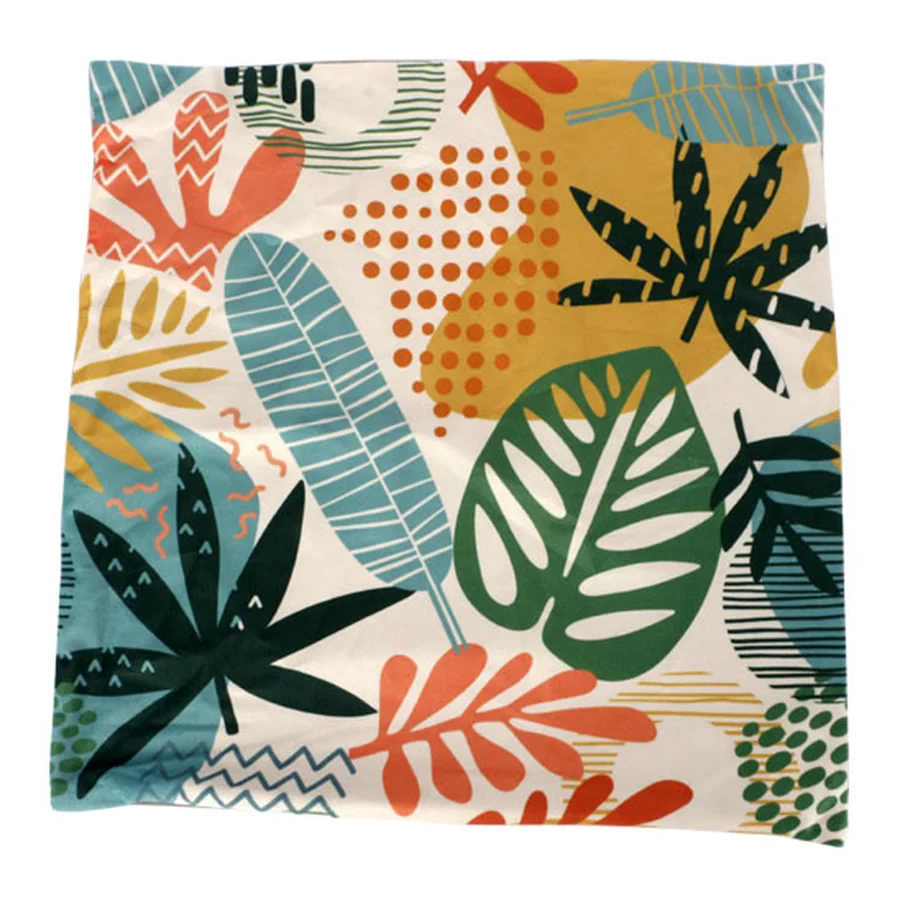
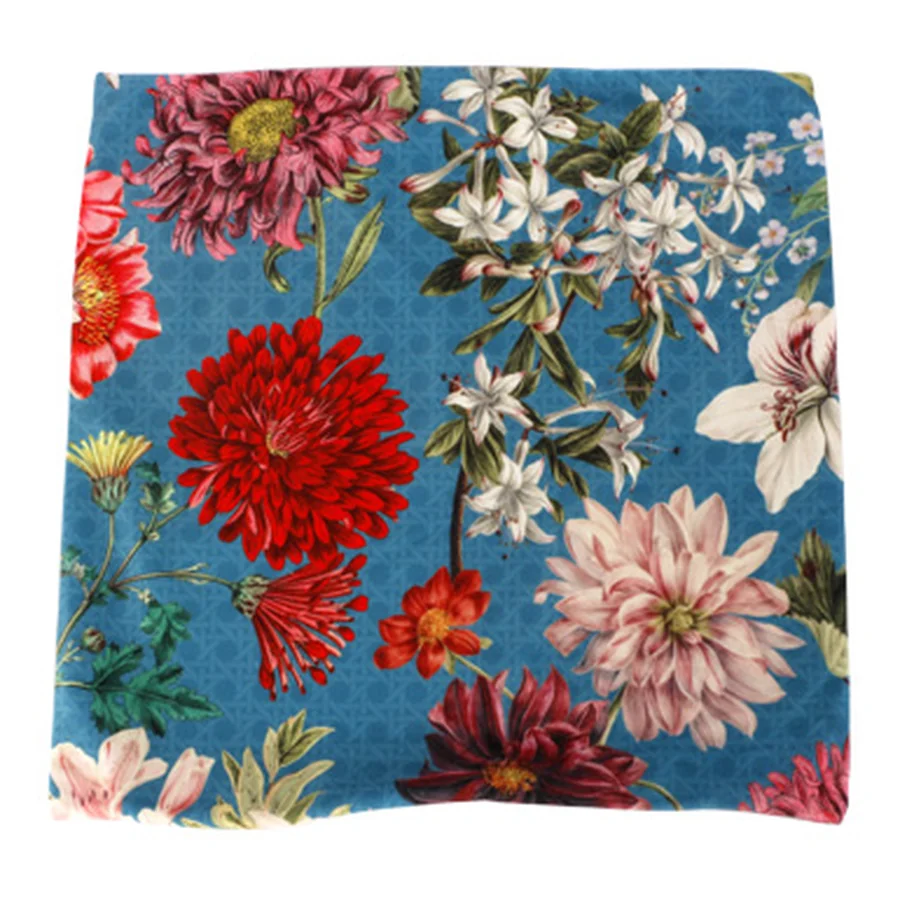
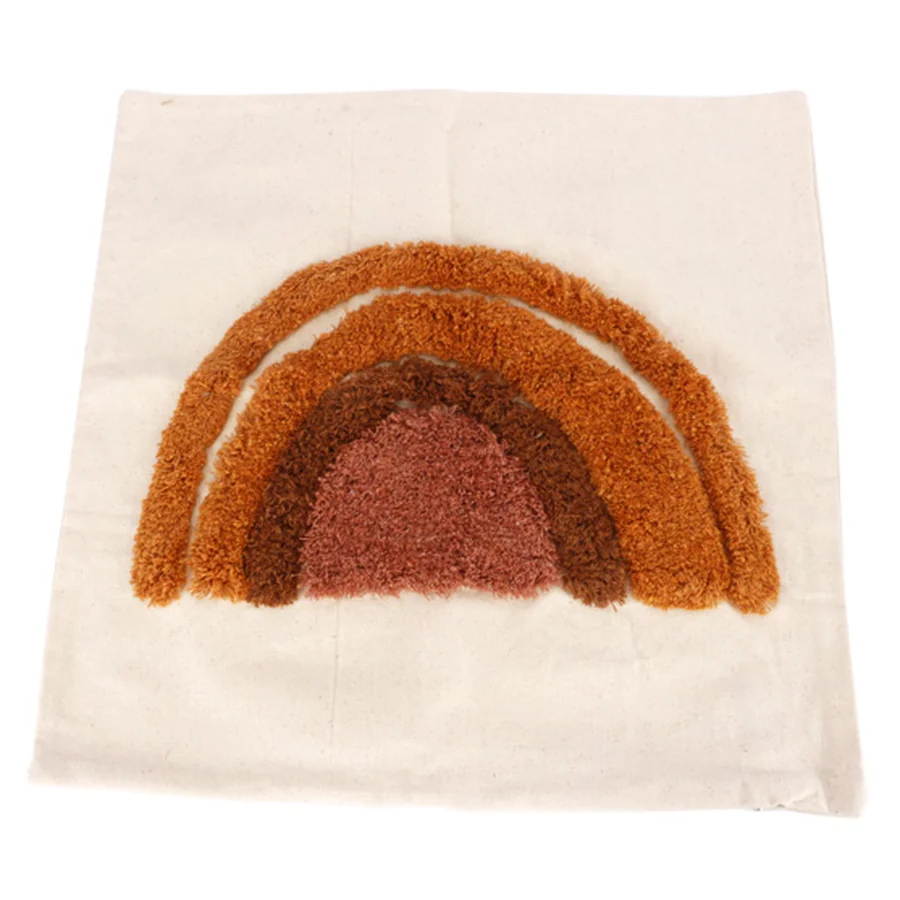
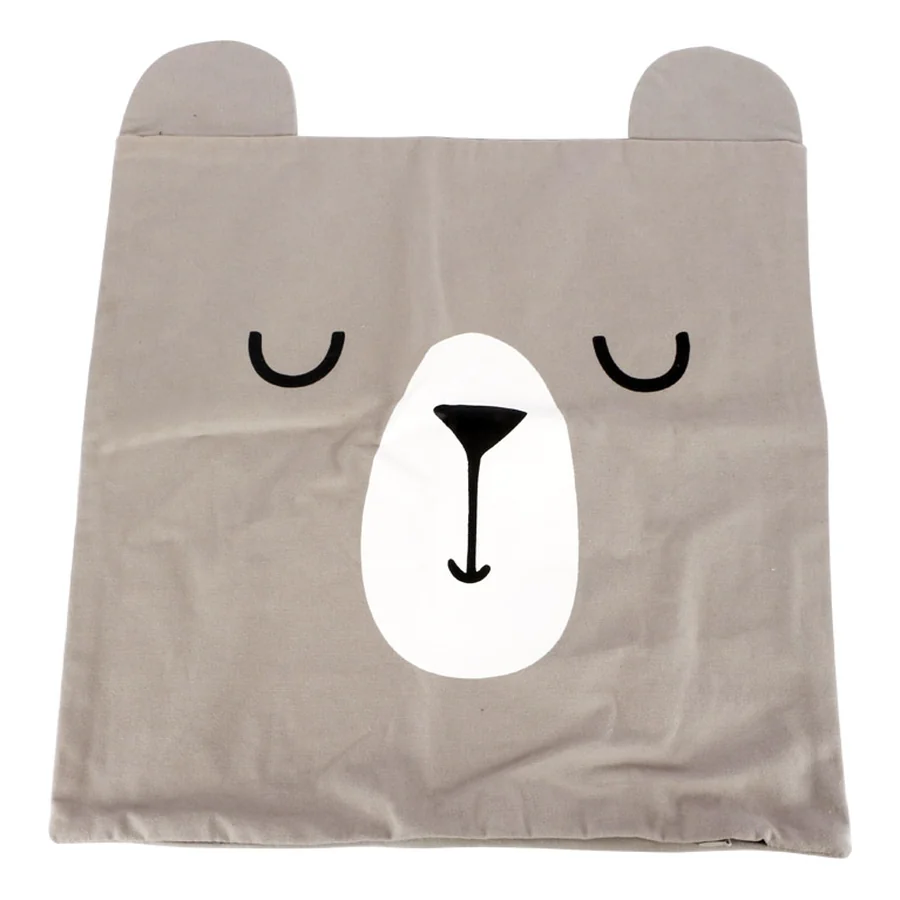
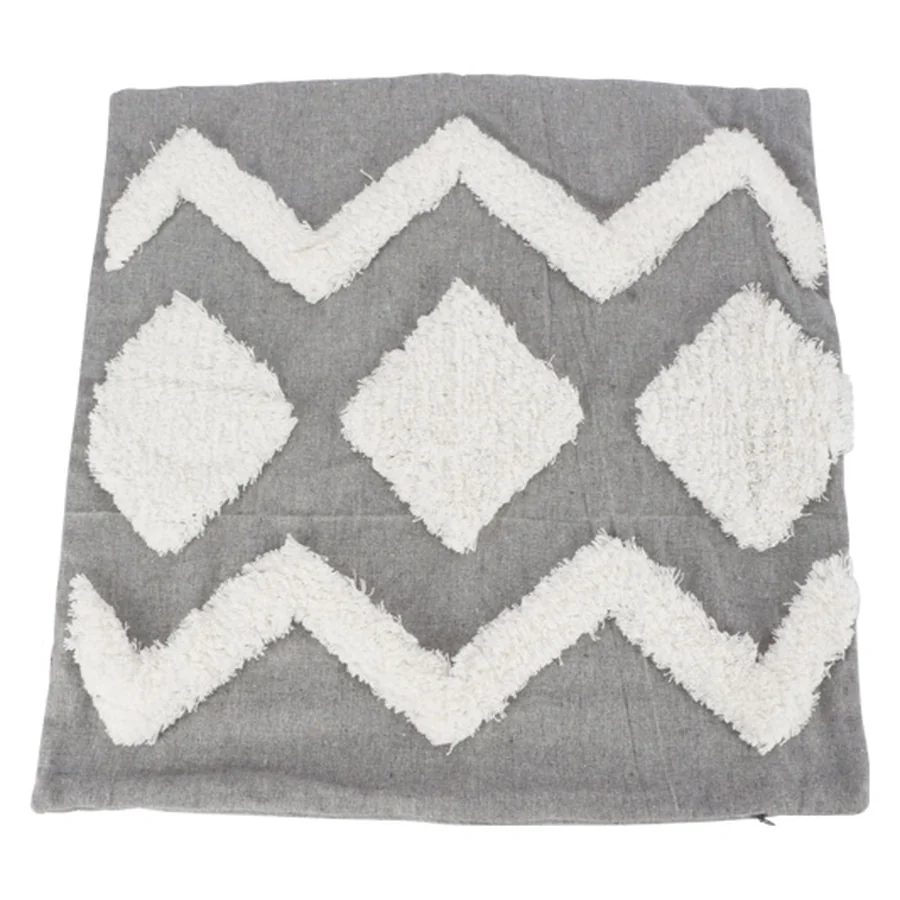
The fabric is the product in this category, and the specification starts with the fibre and the weight rather than with the print. Cotton gives the hand-feel that sells cushions and table linen, usually as 100% cotton or a cotton-rich blend in a plain weave, twill or canvas; linen and linen blends carry the natural, textured look at a higher price; poly-cotton and microfibre give crease resistance and a lower landed cost; velvet, chenille and faux fur bring the plush, seasonal end of the range; recycled polyester and recycled cotton now appear on retail specification sheets as standard, and we can quote a recycled content percentage with the supporting documentation. Weight is quoted in grams per square metre (GSM), and for soft furnishings the working ranges are roughly 180-320 GSM for cushion covers, 240-400 GSM for throws and 120-200 GSM for curtains, depending on the drape you want.
The construction decides how the piece ages. Cushion covers are sewn with a boxed or knife edge, a piped or fringed border, and a concealed zip, a button placket or a flap closure at the back; quilting, tufting, appliqué, pom-poms, tassels and macramé trim are all made to a reference sample. Curtains are the most technically demanding line, because the heading, the lining and the drop have to be right together: we quote eyelet, pencil-pleat, tab-top, rod-pocket, pinch-pleat and wave headings, with or without a blackout, thermal or bonded lining, and with a weighted hem. Printing is where your design enters the product: reactive printing gives the deepest wash-fast colour on cotton, pigment printing is the economical route for bold designs, and digital printing makes small runs and photographic artwork possible without screen costs.
Soft furnishings are specified as a set of standard sizes plus a tolerance, because fabric shrinks and seams pull. Our working library covers the sizes most retail programmes buy:
Two details matter more than the size list. The first is shrinkage: a cotton or linen piece that has not been pre-shrunk can move two to four percent after the first wash, so we specify a pre-shrunk or wash-tested fabric and confirm the finished dimensions after the test rather than from the cutting sheet. The second is colour consistency inside one story — a cushion, a throw and a runner sold as a set have to match under retail light, which means one dye lot per story and a retained colour standard signed off at sampling.
Where a cushion or a quilted throw ships filled, the filling has its own specification and its own test route. Polyester fibre is the volume filling, quoted by weight in grams and by loft; memory-foam and viscose-elastic inserts give the slow-recovery feel that sells higher price points; recycled fibre is available with the same documentation as recycled fabric; and feather and down are still specified at the top end, subject to the washing, sterilising and labelling requirements of your market. Closures are chosen with the customer in mind: a concealed zip is the cleanest, a button or flap closure is the most economical, and hook-and-loop is the fastest for children's and outdoor lines. Trims — piping, fringing, tassels, pom-poms, embroidery and print placement — are all confirmed on the physical sample, because that is where the visual difference between a good and a cheap cushion actually shows.
Textiles carry more labelling and chemical regulation than any other home décor category, and the route has to be fixed before production rather than after. In the United States, the general flammability standard for wearing apparel (16 CFR 1610) is used as the reference test for many soft-furnishing fabrics, upholstered furniture and filling materials are tested to California TB 117-2013, children's sleepwear follows 16 CFR 1615 and 1616, and care and fibre-content labelling is required under the FTC rules. In the European Union, curtains and drapes are tested to EN 1101 and classified under EN 13773, upholstered furniture to EN 1021-1 and EN 1021-2, with BS 5852 and BS 5867-2 for the United Kingdom, and fibre names and composition are labelled under Regulation (EU) 1007/2011.
Shihm is a trading company rather than a testing laboratory, so we do not issue our own certificates: we work with partner factories, confirm the test route against your destination and your customer's specification sheet, and support third-party inspection and testing (SGS, BV, TUV or your nominated laboratory) on request, with the reports issued under that laboratory's name.
Soft furnishings are light for their volume, which makes them a freight-efficient line and also the reason a container fills up on cube rather than on weight. Cushions and throws are compressed and vacuum-bagged where the filling allows it, flat-packed and poly-bagged where it does not, and cartons are specified to a defined drop test. Retail-ready packaging — hangtags, barcodes, branded poly bags and shelf-ready cartons — is quoted alongside the bulk option, and the compression ratio and the recovery time after unpacking are agreed up front, because a cushion that arrives flat and stays flat is a customer complaint rather than a shipping saving.
Moisture is the other risk: textiles are hygroscopic, so cartons are lined where the routing is humid and the load plan keeps cartons off the container floor. Because a soft-furnishing order usually fills the cube long before it reaches the weight limit, these lines travel well alongside heavier home décor such as ceramic, glass and metal, and the whole mix can move on one container plan and one set of documents.
We inspect against the approved pre-production sample before loading and issue the inspection report with the shipping documents.
Start with the story and the price ladder, then work back to the fabric. A workable soft-furnishing programme runs three tiers: an entry tier of printed cotton cushions and runners that carries the volume, a mid tier of velvet, linen-look and quilted pieces that gives the shelf its texture, and a gift tier of throws, quilted bedspreads and embroidered pieces that lifts the average order value. The cheapest way to test a new story is to keep the fabric and the size constant and change only the print, because that reuses the pattern, the trim and the sampling work.
Two decisions matter more than the design list. First, fix the care instruction early, because the washing temperature, the drying method and the ironing rule decide the fabric, the print method and the shrinkage allowance — a care label written after the fabric has been chosen is a rework waiting to happen. Second, buy a coordinated story rather than a scatter: four to six designs in consistent sizes, one colour family and one fabric weight read better on the shelf and are far cheaper to sample than twenty unrelated pieces.
A standard textiles programme takes eight to ten weeks end to end: seven to twelve days for counter samples, thirty to forty-five days for production after deposit and approved artwork, and twenty-five to thirty-five days sea freight. Custom prints, custom dyed fabric or new trim tooling add fifteen to twenty days at the sampling stage, so they have to be started earlier.
If your programme is tied to a fixed retail set-up date, tell us the date at the start and we will work backwards from it and confirm the last acceptable order date in writing.
Can I order cushions with or without the filler? Both. We quote the cover on its own and the cover with a fibre, memory-foam or feather insert, and the insert weight and loft are part of the approved specification.
Can you print our own design and match our Pantone colour? Yes. Send the artwork and the Pantone reference and we will confirm the match on a pre-production strike-off, keeping the approved piece as the reference for production.
What is your MOQ for soft furnishings? From 500 pcs per design and colourway on stock fabrics; 1,000-3,000 pcs where a custom print, a custom dyed fabric or a new trim is involved.
What are your lead times? Seven to twelve days for counter samples, thirty to forty-five days for production after deposit and approved artwork, plus twenty-five to thirty-five days sea freight to Europe or the US East Coast.
Do your textiles pass US and EU flammability tests? We confirm the route against your destination — 16 CFR 1610 and California TB 117-2013 for the US, EN 1101 and EN 13773 for curtains and EN 1021 for upholstered pieces in the EU and the UK — and test through your nominated laboratory rather than issuing our own certificates.
Can you produce with recycled fabric and give us the documentation? Yes. Recycled polyester and recycled cotton are available with the recycled content percentage and the supporting traceability documents from the mill.
What care label should we print? We propose the washing, drying, ironing and bleaching symbols that match the fabric and the print method, in the language your market requires, and confirm them on the approved sample.
Can you copy a cushion or a curtain panel we already sell? Send a physical sample or a full specification and we will match the fabric weight, the dimensions and the trim, then confirm the match on a pre-production sample.
How do you pack cushions so they arrive in shape? Compression and vacuum bagging where the filling allows, with the compression ratio and the recovery time agreed up front, and cartons lined against moisture.
Can you supply curtain panels to our own drop and heading? Yes — give us the finished drop, the heading type and the lining, and we will quote the panel, the header tape and the weighted hem as one specification.
How do we start a textiles programme? Send reference images, your target retail price points and any fabric or colour direction; we will come back with fabric options, a sample timetable and a landed cost estimate.