
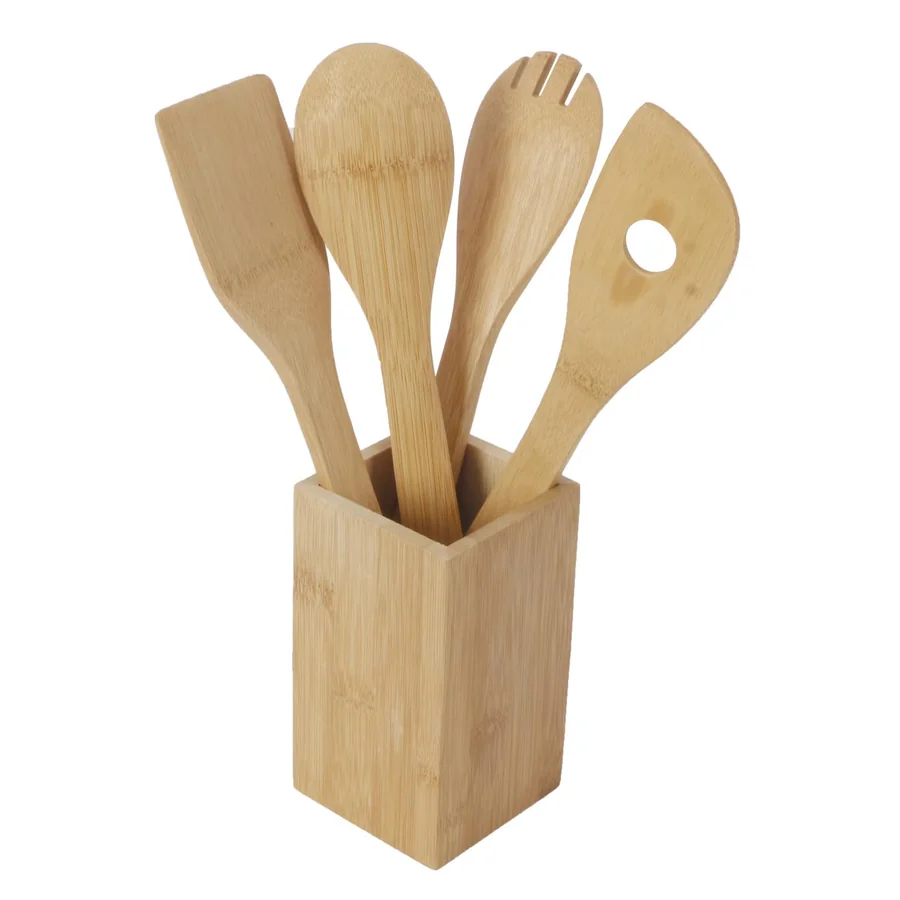
Tableware is a look-driven category bought in sets: the plate, the bowl and the serving piece have to read as one collection on the shelf, and the price ladder runs from everyday melamine to glazed stoneware and porcelain. We supply wholesale tableware and serveware from China across ceramic and stoneware plates and bowls, serving dishes and trays, woodenware, melamine for outdoor and children's lines, and the table accessories that finish the set.
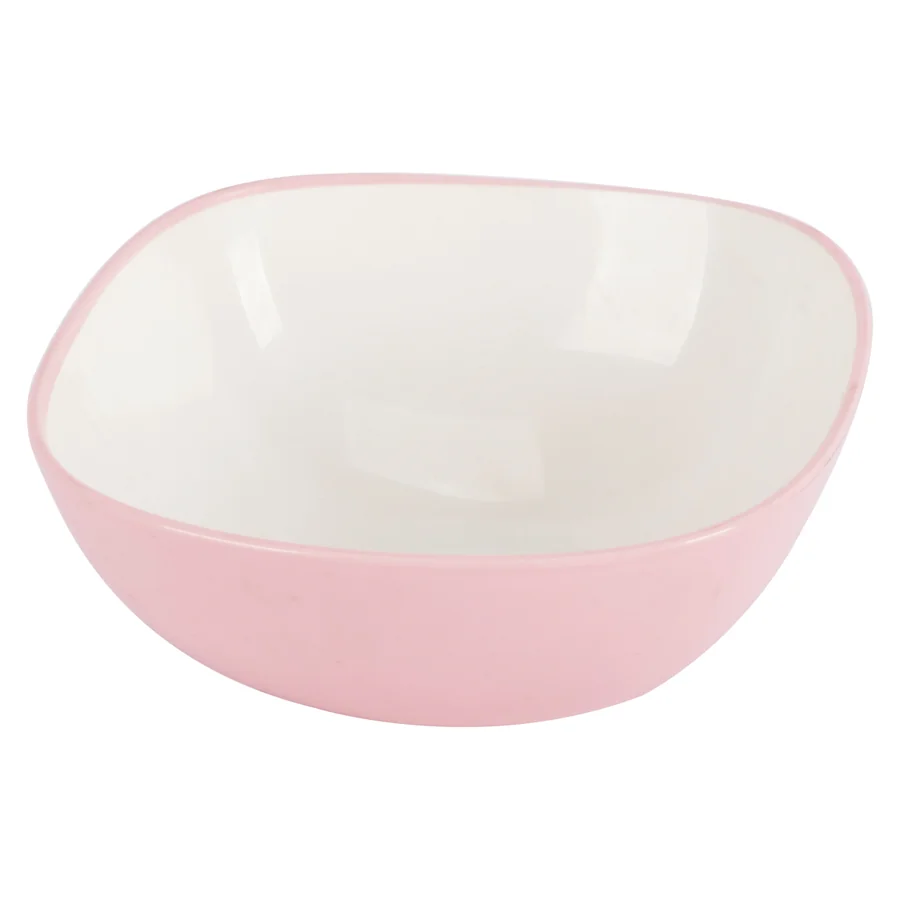
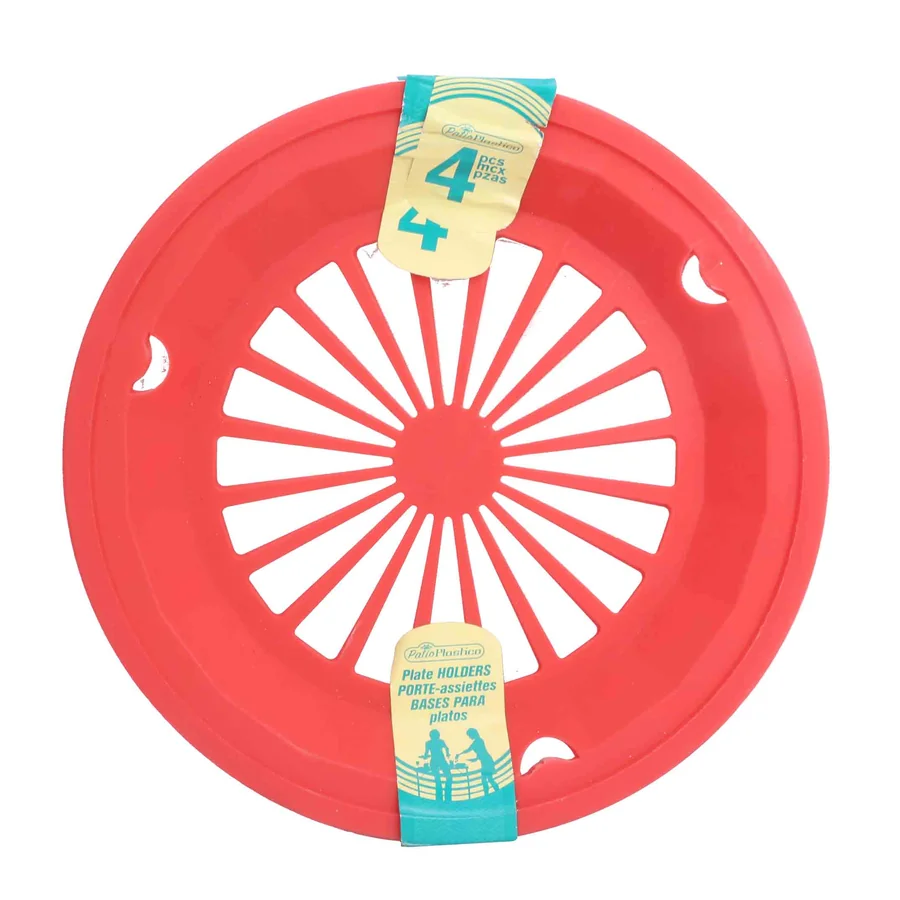
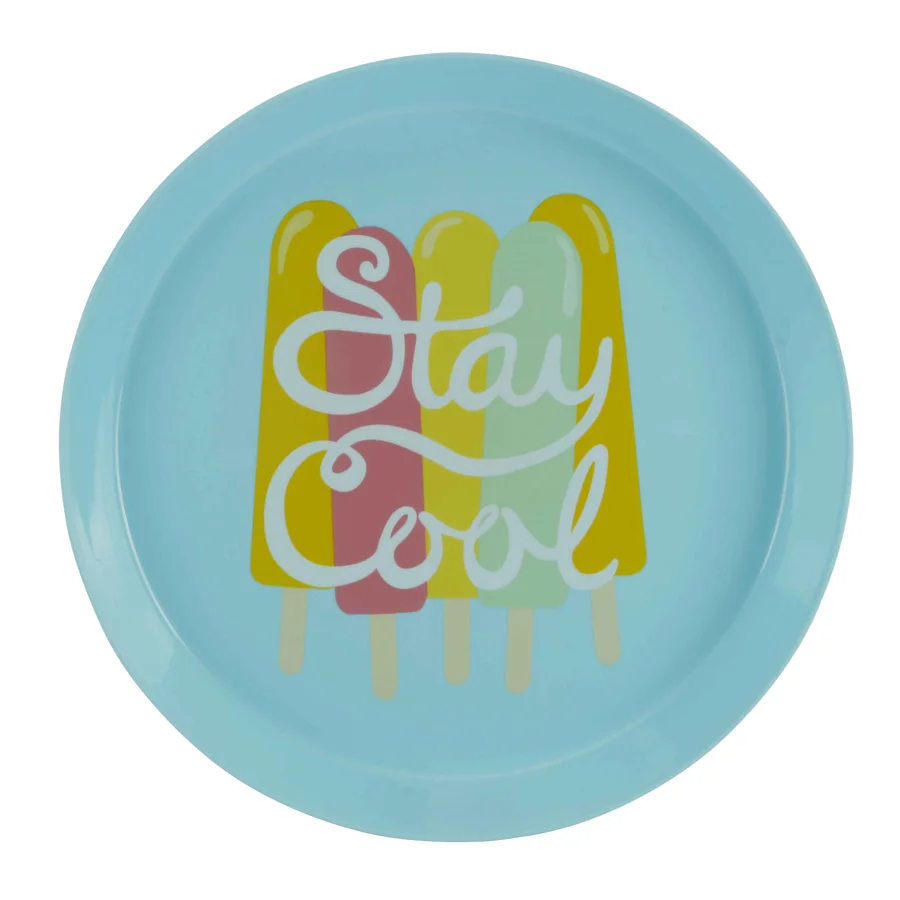
Ceramic and stoneware carry the mid and upper tiers: plates, bowls, mugs and serving dishes in porcelain, ' 'stoneware and earthenware, finished in clear gloss, matte, reactive and hand-sponged glazes. The quality ' 'signals are glaze evenness and depth, a flat and stable base, a foot ring that does not scratch the surface ' 'it stands on, and a rim that is genuinely round. Under-glaze and in-glaze decoration is what keeps a print ' 'durable through a dishwasher cycle, while on-glaze decals and metallic rims are the first to wear and the ' 'first to be flagged where a piece is sold as dishwasher-safe. The decoration method has to be confirmed with ' 'the care claim you intend to print, because the two travel together.
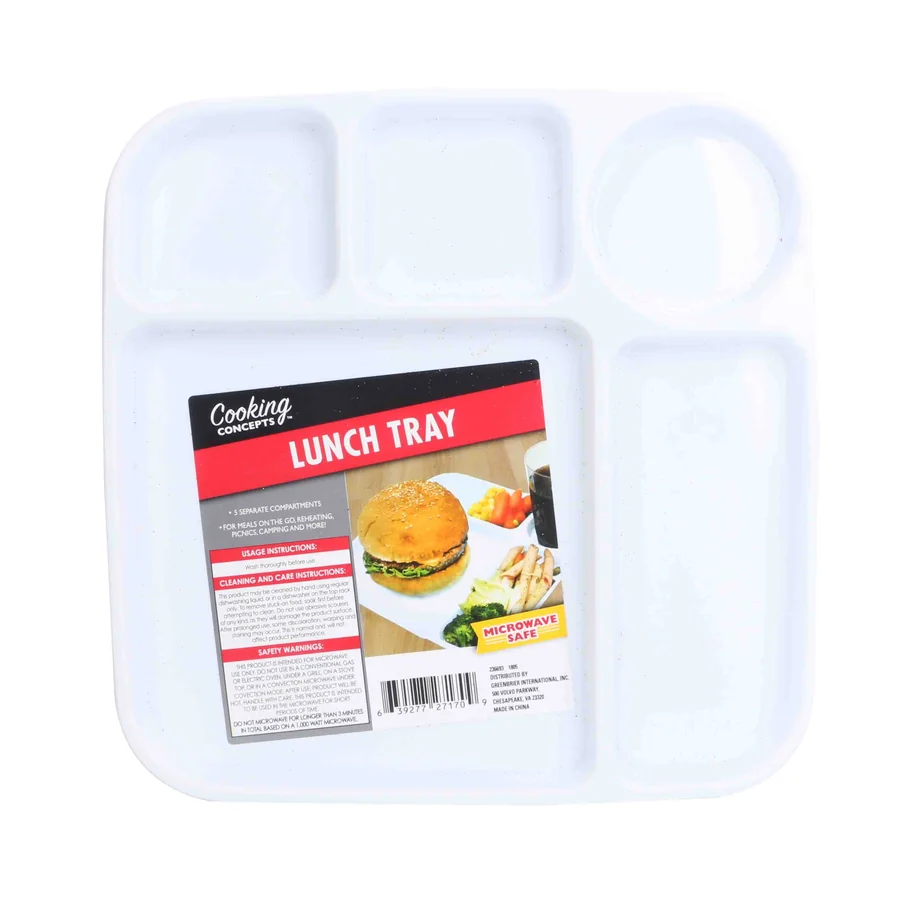
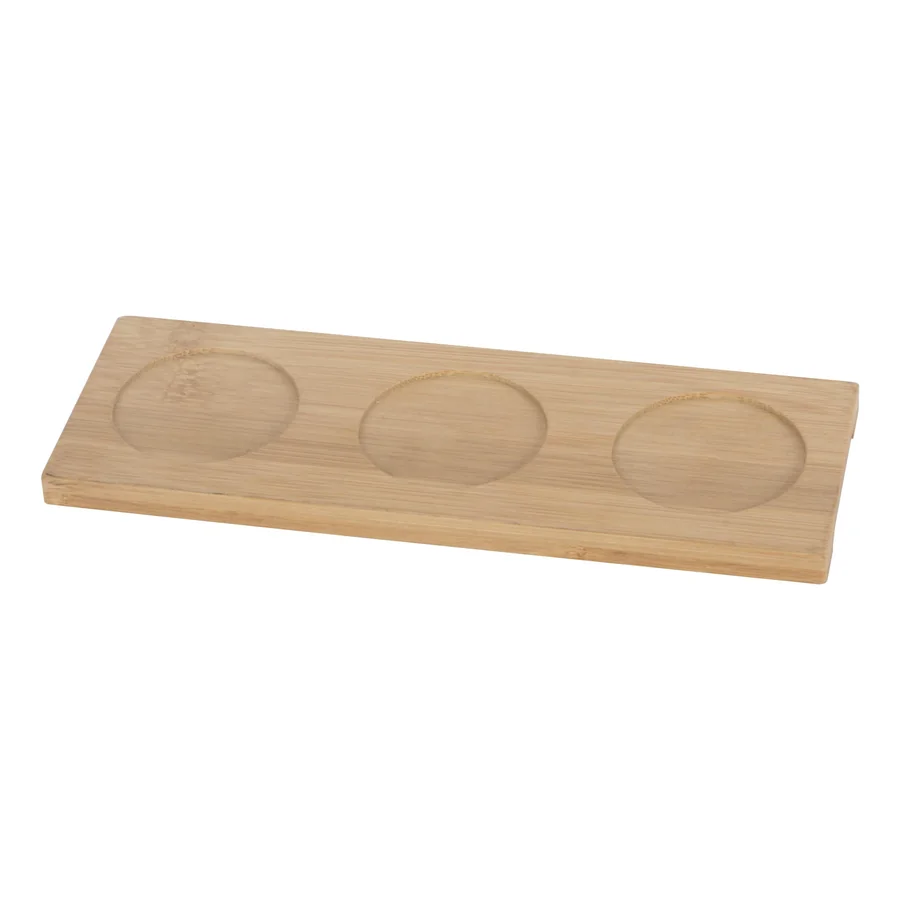
Melamine covers the value, outdoor and children's end of the range: plates, bowls, compartment trays and ' 'tumblers in moulded colour and printed patterns. Melamine is bought for its weight and its break resistance, ' 'and its limits - it is not microwave-safe and it should not be used for high-temperature cooking - are part ' 'of the care labelling rather than an afterthought. Bamboo, acacia and other woods give the natural, ' 'serve-board look: trays, boards, salad servers and bowls in oiled or lacquered finishes, graded on grain ' 'consistency, moisture content and a food-safe finish.
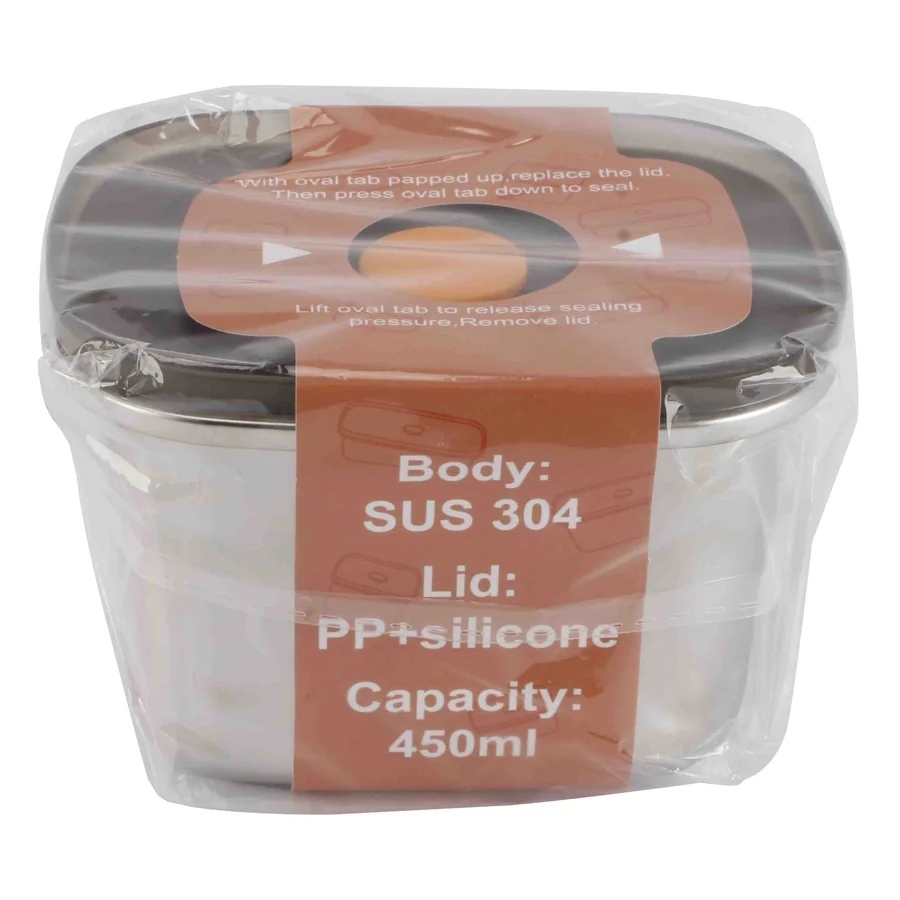
Glass appears as serving bowls, platters and small vessels in clear, tinted and pressed bodies, and metal, ' 'usually stainless steel or powder-coated steel, covers trays, serving stands and cake domes. Whichever ' 'material a design uses, the glaze depth and the print colour are approved on a physical pre-production ' 'sample, because both read differently on a screen and under retail light.
Send the shelf plan or the set count you are buying for and we will propose a mix at defined price points rather than a list of unrelated pieces.
Tableware touches food on every meal, so the material and decoration routes have to be settled before production:
Shihm is a trading company rather than a testing laboratory, so we do not issue certificates: we confirm the test route with our partner factories against your destination and your customer's specification sheet, and the reports are issued under the laboratory's name.
Every lot is inspected against the approved pre-production sample before loading, and the inspection report travels with the shipping documents.
Ceramic and glass are the claim-risk materials in this range, so packing is designed before production and checked against a defined drop test rather than chosen at the end:
Because tableware is bought as a set, it is usually consolidated with the wider kitchen order - one freight cost and one set of documents across the mix - which is how a first range stays economical to ship.
What is your MOQ for tableware? From 500-1,000 pcs per design on stock shapes; custom decals or custom ceramic carry a higher minimum, quoted per project.
What are your lead times? Seven to ten days for counter samples, thirty to forty-five days for production after deposit, plus twenty-five to thirty-five days sea freight to Europe or the US East Coast.
Is your decorated tableware food-contact safe? Yes - ceramic and glass are tested for lead and cadmium release on the finished, decorated piece, which is the key test for a printed plate or bowl.
Can you make the plate dishwasher-safe? Yes - the decoration method is matched to the care claim you intend to print, and under-glaze decoration is used where a print has to survive repeated wash cycles.
Is your melamine microwave-safe? No - melamine is not microwave-safe and carries a temperature limit; both are stated on the care label, and it is the right material where break resistance matters more than heat.
Can you match a glaze or a colour from our sample? Yes. Send a physical sample or a Pantone reference and we will confirm the match on a pre-production sample and keep the approved piece as the reference for production.
Can you build a dinnerware set at one price point? Yes - tell us the set count and the price ladder and we will build a 12, 16 or 20-piece set, plus open stock to fill the shelf.
How do you pack ceramic and glass for export? Individual wrapping, interleaving, corner protection and a master carton designed against a defined drop test, with print-ready packing for e-commerce sellers.
How do we start? Send reference images, your target retail price points and the set count; we come back with factory options, a sample timetable and a landed cost estimate.