

Mirrors have moved from bathroom fixture to décor statement, and they now carry some of the highest perceived value per kilo in a home range. We supply wholesale mirrors from China in round, arch, rectangular and vanity formats, with frames in metal, wood, rattan and resin.
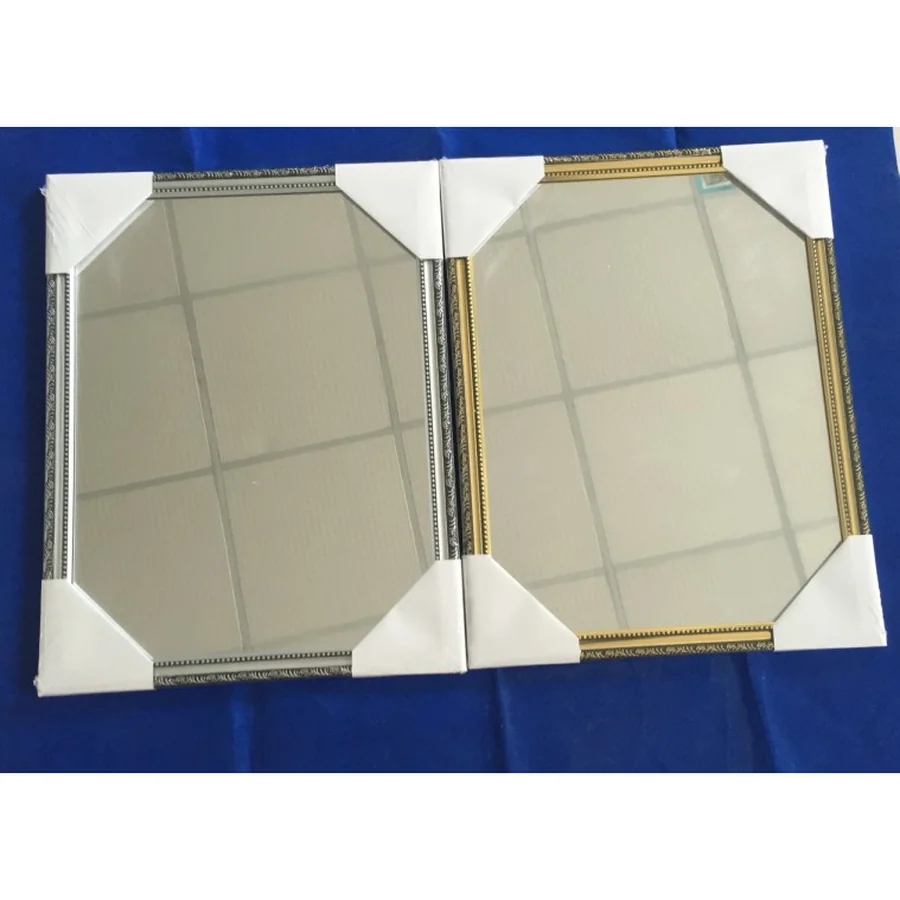


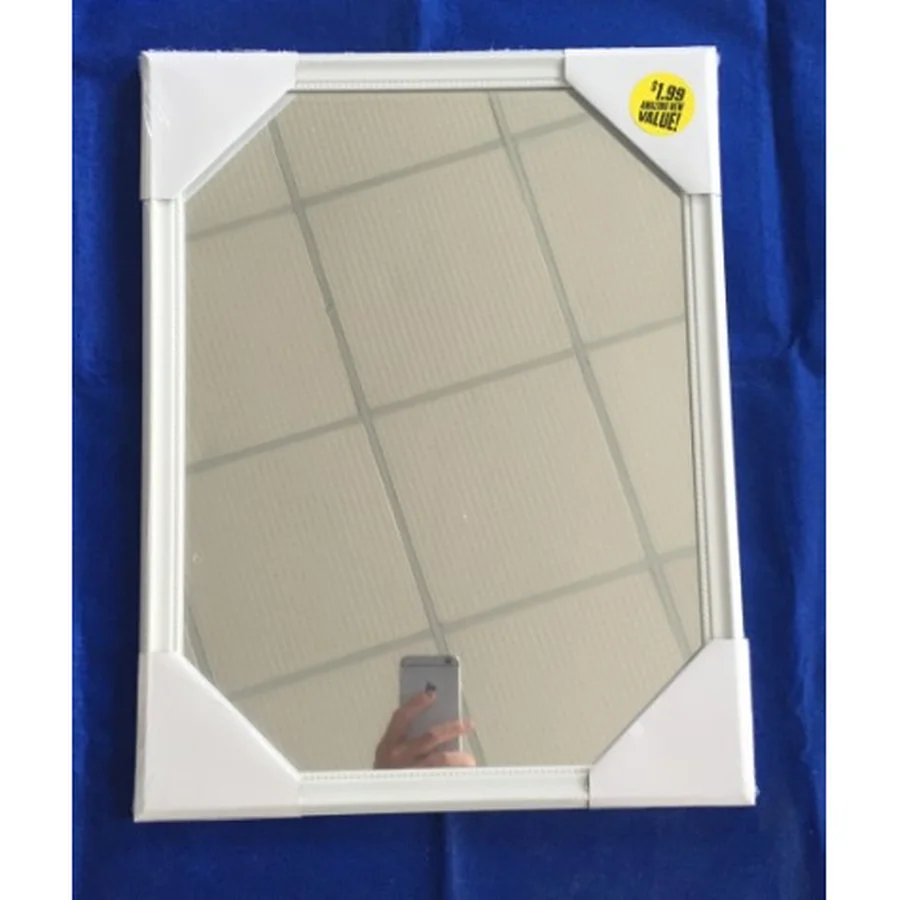


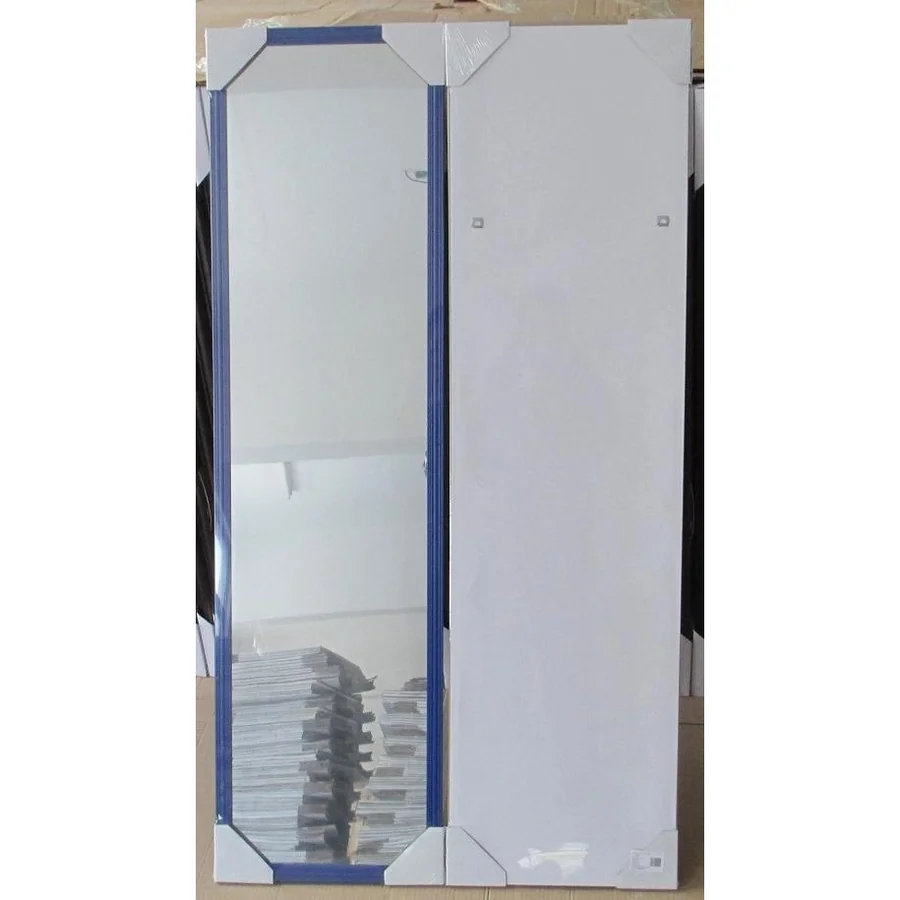

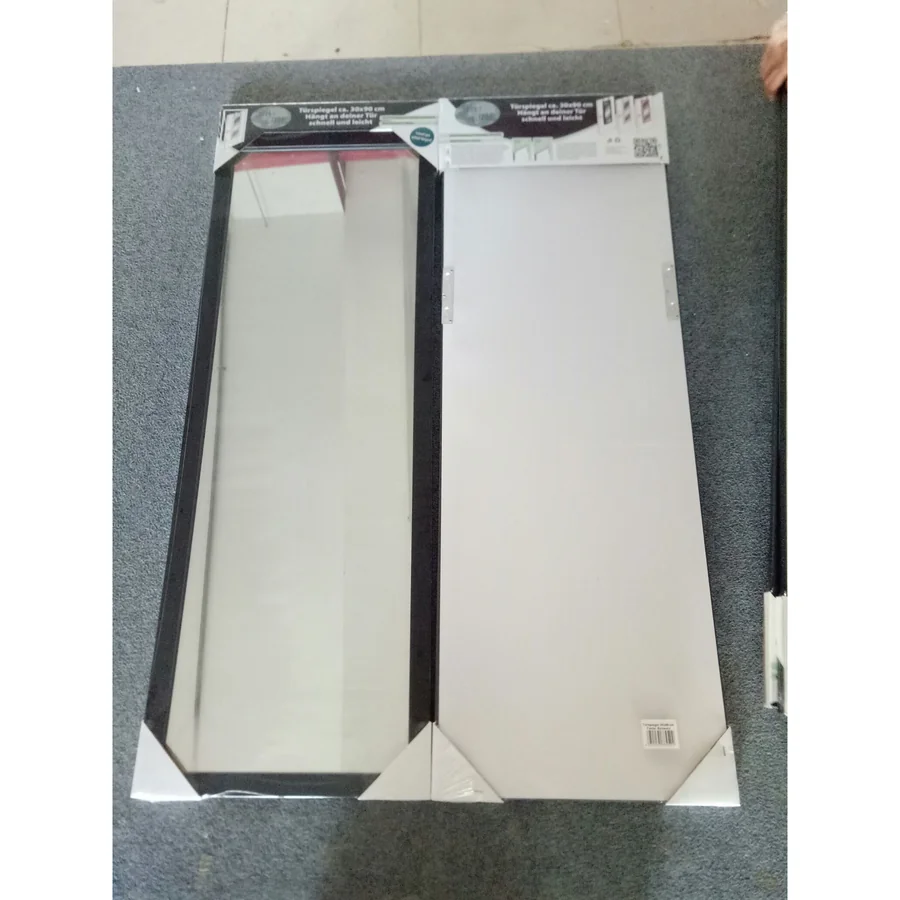


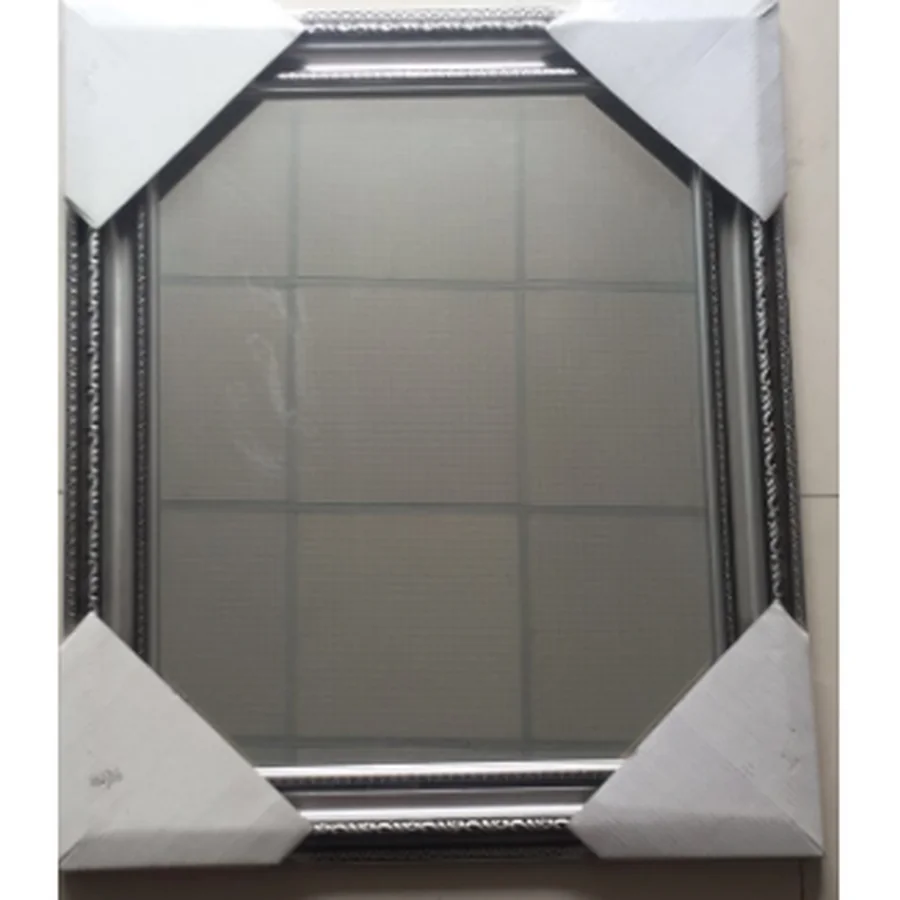
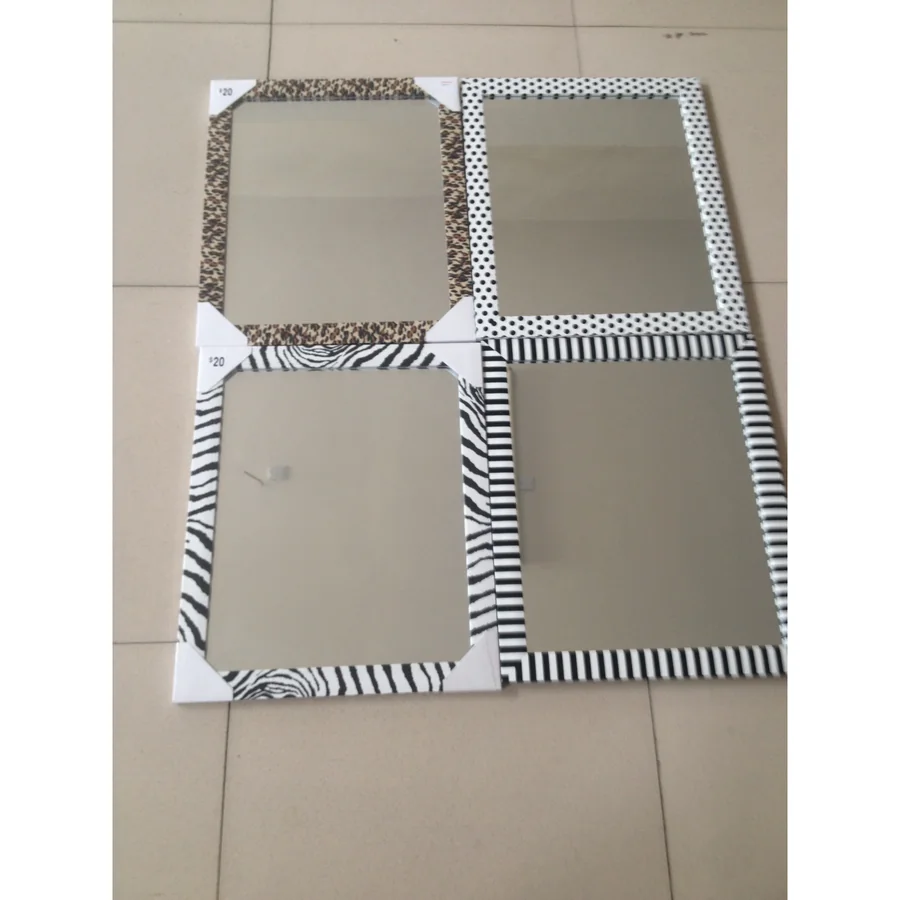
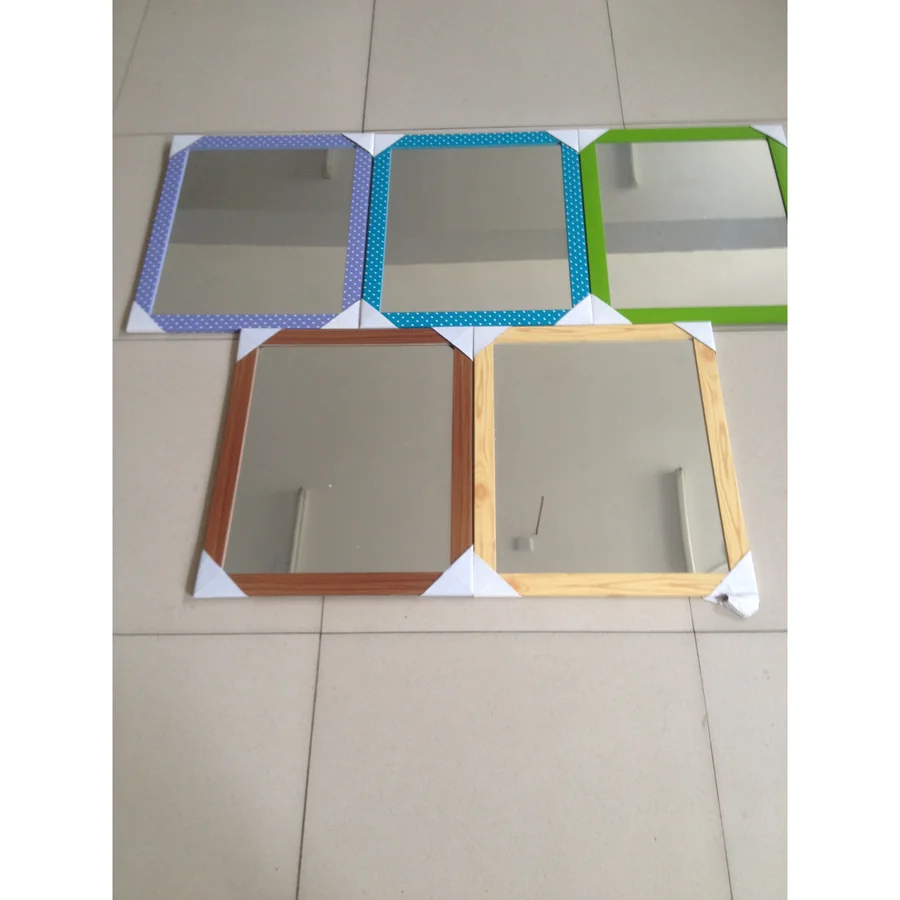


Two things decide whether a mirror program makes money: glass quality and packing. Undistorted glass, consistent silvering and a clean edge are what stop returns, while corner protection and carton design are what stop breakage in transit. Both are specified before production and checked at loading.
Mirrors ship well with photo frames and clocks, so they are normally consolidated into a mixed container rather than ordered as a single line.
The format decides the tooling, the packing and the freight. Round and arch mirrors are the current volume sellers; rectangular and full-length formats suit bedroom and hallway programmes; vanity and leaning mirrors carry the higher price points. Frames run from powder-coated and plated metal to solid wood, MDF, rattan and polyresin, and the finish is the visible quality signal — plating depth, powder-coat evenness and wood grain continuity are all confirmed on a pre-production sample. Antique, brushed and matte finishes usually need a physical sample rather than a photograph, because silvering and coating read quite differently on screen.
For most export programmes we quote three to four millimetre float glass with consistent silvering and a polished edge as standard. Where shipping weight, wall fixing or child-safety rules make glass impractical, we supply acrylic or glass with an anti-shatter safety film, which is common for children's rooms and for markets with tighter return rates. Mirror-back protection, edge sealing and moisture resistance are specified for bathroom and other humid environments, so the backing does not discolour behind the frame.
We build to your dimensional sheet rather than to a fixed range:
Tell us the wall-fixing method you expect the end customer to use and we will specify the hardware and the packing around it, rather than shipping a mirror that needs a bracket nobody stocks.
A mirror programme stands or falls on transit survival. Corners are foam-protected, every unit is carton-separated, and larger sizes are quoted with a purpose-built crate where the glass area makes a normal carton unsafe. We agree the drop-test standard before production and confirm the container loading plan for oversize pieces, because a mirror that arrives intact but consumes a full pallet of cube is not a commercial win. Mirrors consolidate naturally with photo frames and clocks, which is how most buyers keep the freight on this category under control.
The faults that generate claims are predictable, so we control them at defined points:
Buy the format to the room, not to the trend sheet. Entry price points are usually small rounds and compact rectangles for bathrooms and hallways; mid-tier ranges lean on arch and round mirrors in metal and rattan; the top of the ladder is where full-length and illuminated mirrors sit. Glass quality protects the review score, so specify the glass grade and the backing seal rather than leaving them to chance, and keep the frame finishes consistent with the rest of the décor range so the shelves read as one story. Where a mirror is sold flat-packed for e-commerce, confirm the corner protection and the outer carton against the drop test you intend to ship against.
Allow two to four months for a standard programme: sampling that depends on the item - about a week for a repeat order or a stock shape, several weeks for a new design, thirty to forty-five days for production after deposit and twenty-five to thirty-five days sea freight. Custom frame tooling adds further weeks. Confirming your retail set-up date at the start lets us flag the last order date and keep the shipment inside the window.
How do you prevent breakage? Corner protection, individual cartons and an agreed drop-test standard. For very large mirrors we also quote a purpose-built crate.
Can you match a specific frame finish? Yes — send a Pantone reference or a physical sample; we will confirm the plating or powder-coat match on a pre-production sample.
Do you supply the hanging hardware? Yes, including reinforced D-rings or French cleats where the weight of the mirror requires them.
What is your MOQ for mirrors? From 300-500 pcs per design for standard sizes; custom shapes and new tooling carry a higher minimum.
What are your lead times? Seven to ten days for samples and thirty to forty-five days for production after deposit, plus twenty-five to thirty-five days sea freight to Europe or the US East Coast.
Can you add our logo or brand? Yes, as a printed label on the backing, a hangtag or retail carton printing. Send your artwork for dieline approval.
What compliance do you handle? We confirm testing and labelling against your destination; anti-shatter film and acrylic options cover markets with stricter safety rules.
How do you ship large mirrors without breakage? Corner protection, individual cartons, a defined drop test and, for the largest sizes, purpose-built crates.