Drinkware sells on how it feels in the hand and on whether it keeps its promise: a travel mug that leaks or a glass that breaks in the dishwasher sends the whole range back. We supply wholesale drinkware and barware from China across soda-lime and borosilicate glassware, ceramic mugs, double-wall and vacuum insulated stainless bottles, tumblers and straws, bar tools and the accessories that build a drinks shelf.
Product range
Materials, technologies and how they are judged
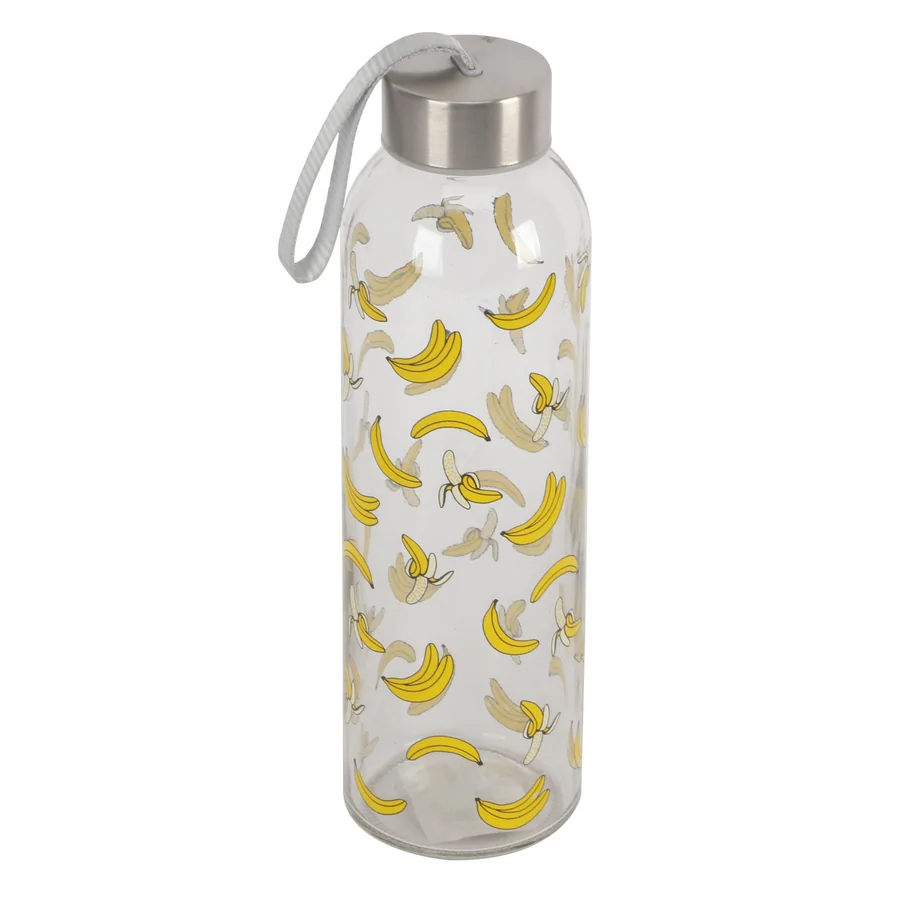
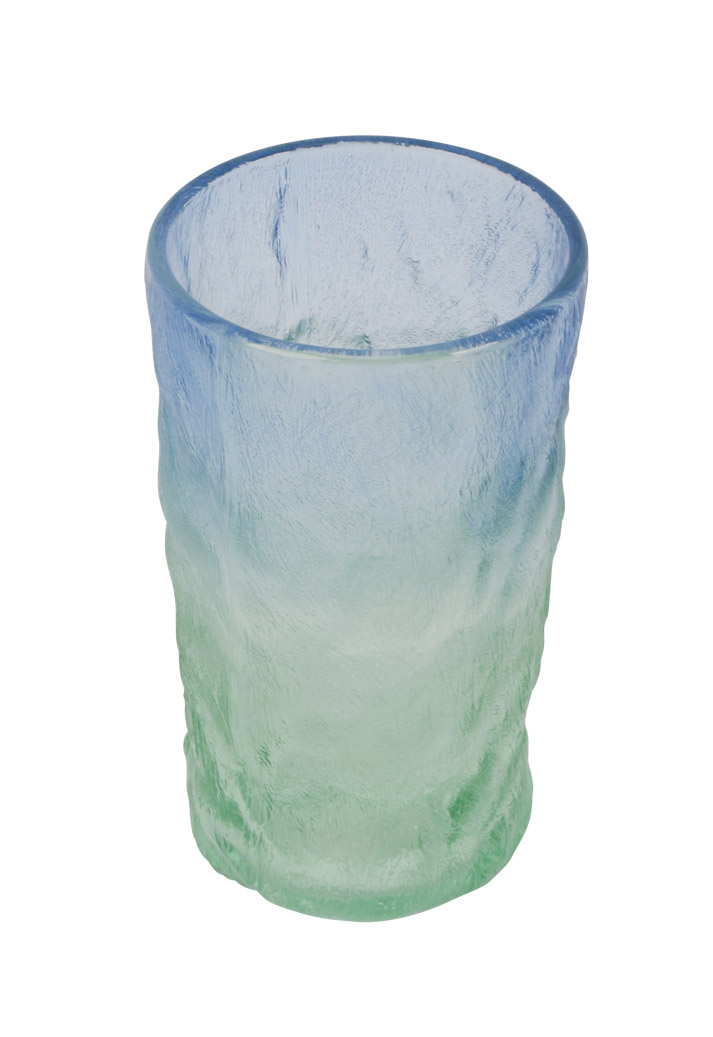
Glass covers the volume end and the premium end at the same time: soda-lime tumblers, hi-ball and rocks '
'glasses, and borosilicate for heat-resistant carafes and tea glasses. The quality signals are a straight '
'wall with no visible seam, a rim that is fire-polished rather than chipped, and a base that is level; where '
'glass is texturised or blown in colour, the finish is graded on evenness of the pattern and on the absence '
'of striae. Borosilicate is specified where a piece has to take boiling liquid or a dishwasher cycle at high '
'heat, and the two glasses are never interchangeable on a specification sheet.
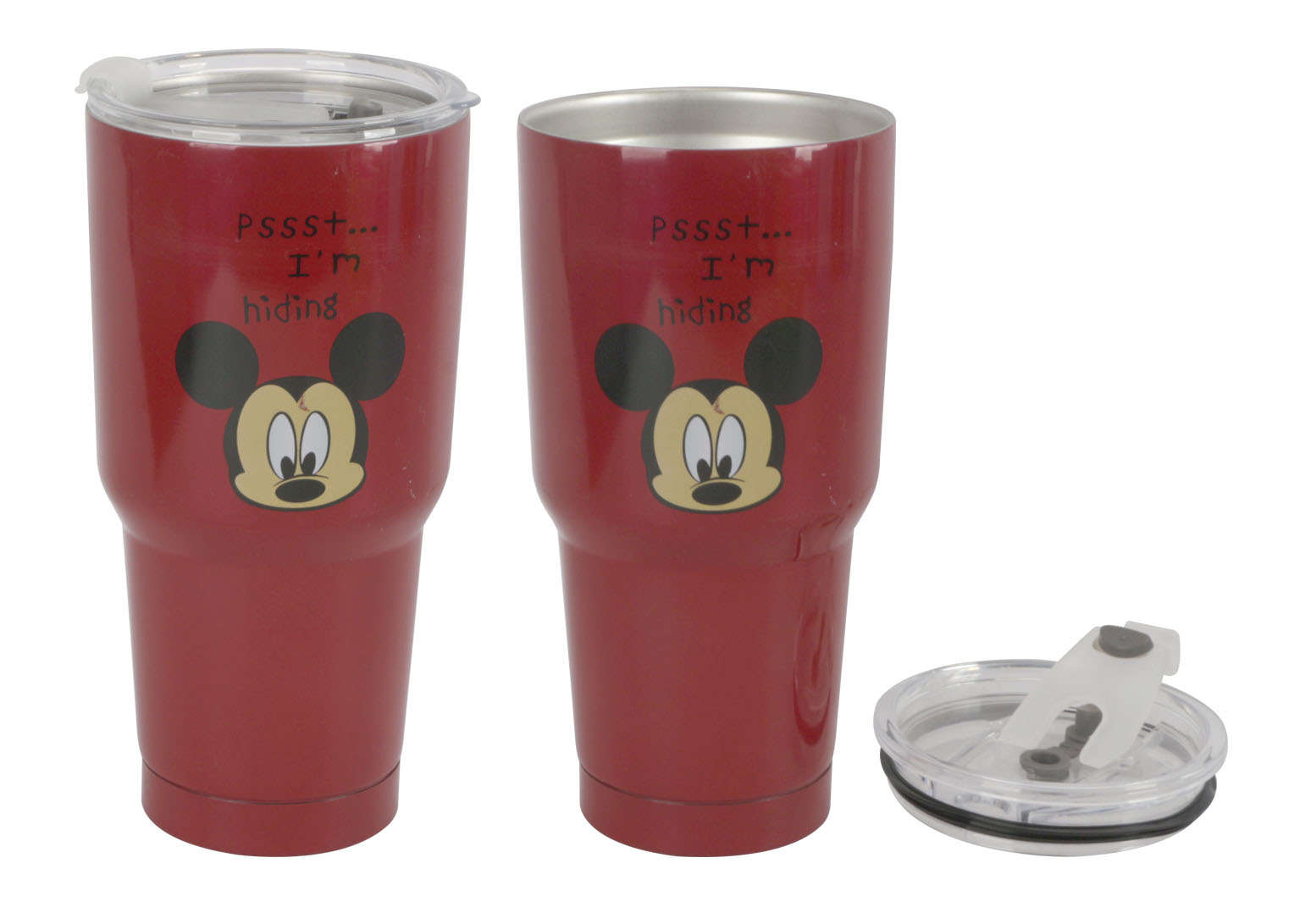
Vacuum insulated stainless steel is the technology line: bottles, travel mugs and tumblers in 304 or, where '
'corrosion resistance is specified, 316 grade, with double-wall vacuum construction. The claims that matter '
'are specific - how many hours hot and how many hours cold at a stated starting temperature - and they are '
'verified on the finished unit rather than assumed from the design. Lid and seal performance is the second '
'claim: a silicone gasket, a threaded or a flip lid, and a leak test that is run on production units, because '
'one leaking lid is what turns a bottle into a return.
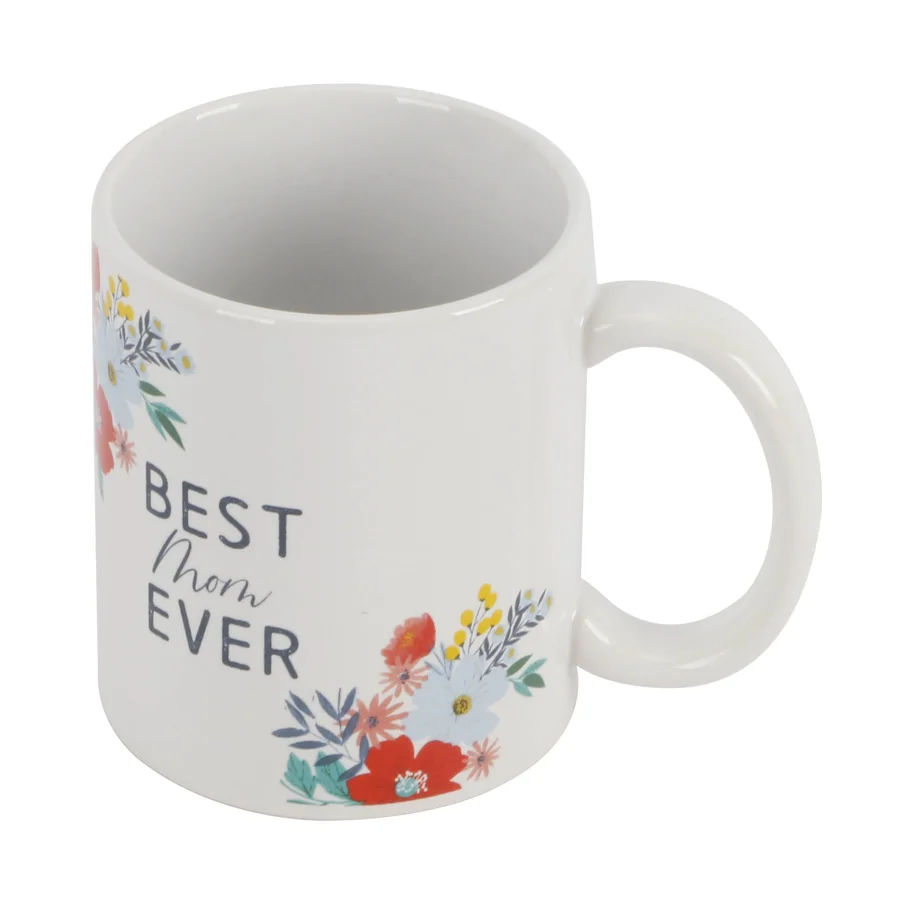
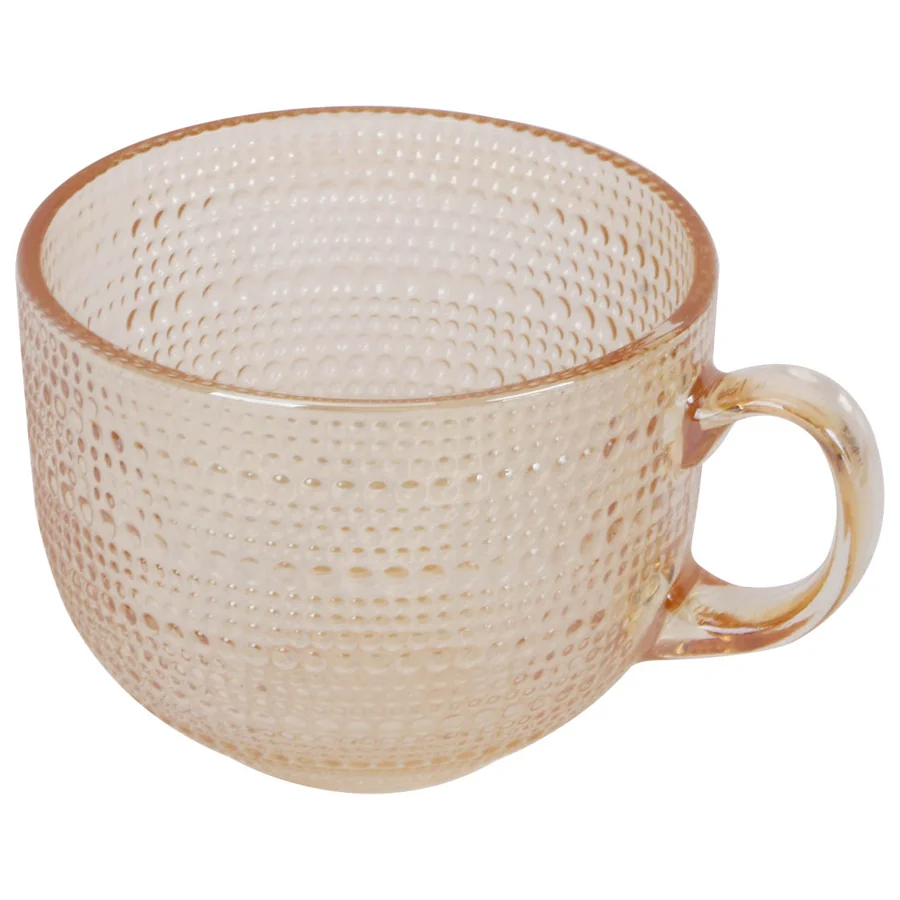
Ceramic mugs cover the everyday and the gift end - glazed stoneware and porcelain, with printed, embossed '
'or reactive decoration - and the decoration has to match the dishwasher and microwave claims. PP, Tritan and '
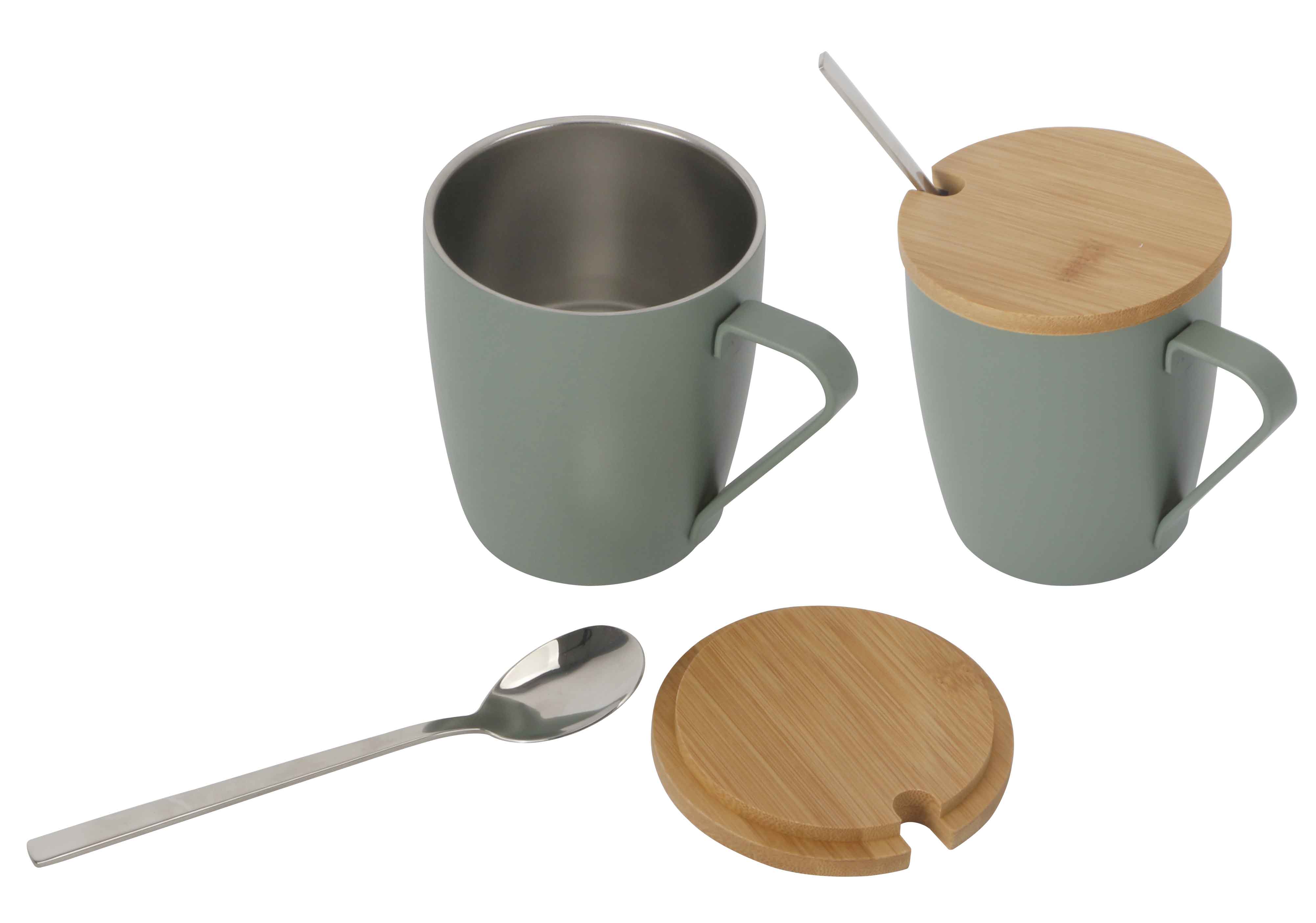
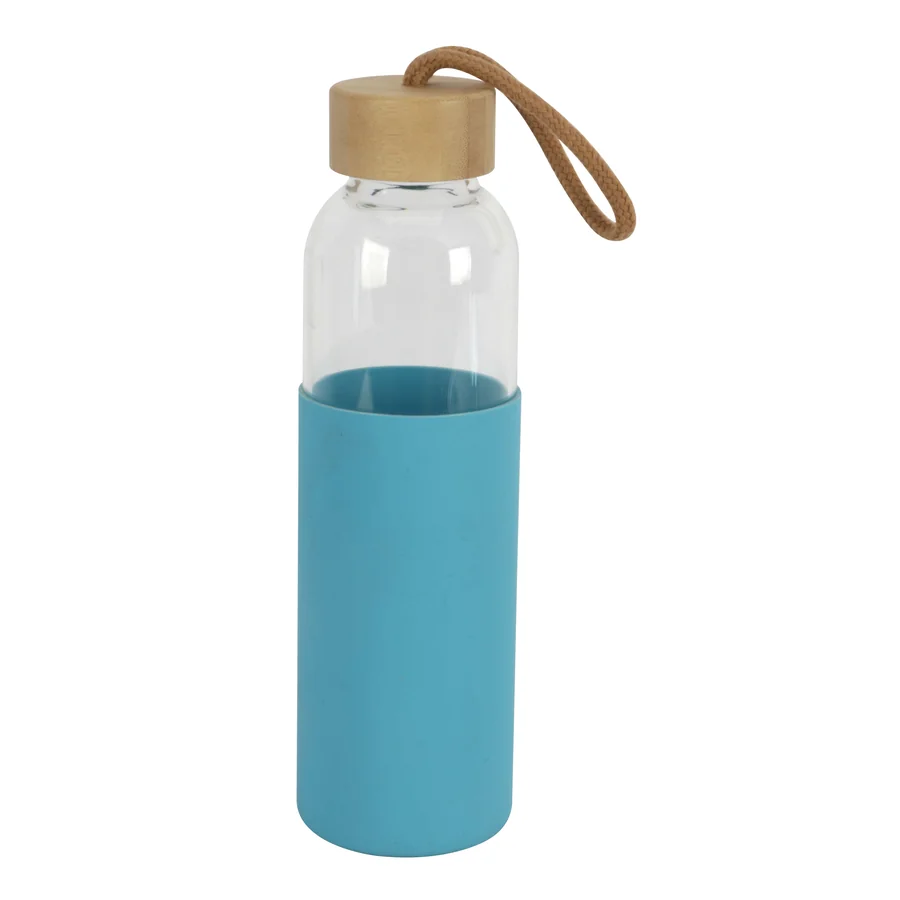
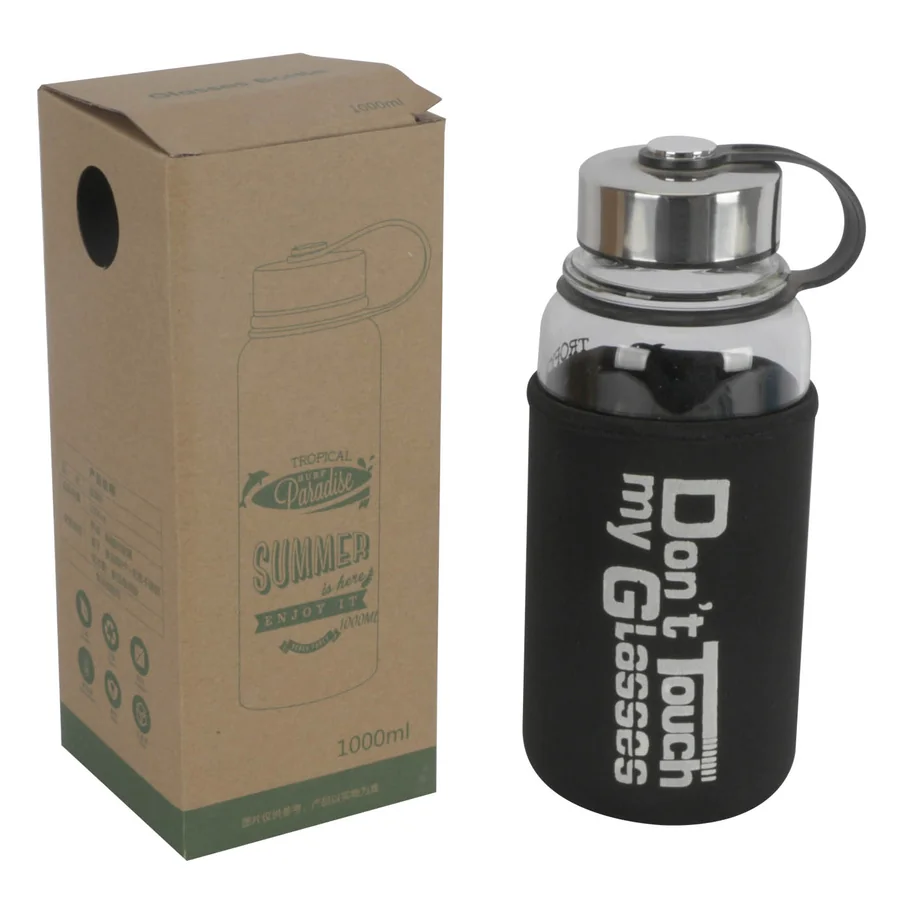
'stainless handle the value lines, kids' drinkware, straws and infusers, while bamboo lids and silicone '
'sleeves add the design layer that lifts a plain bottle. Barware runs across stainless jiggers, shakers, '
'strainers, muddlers and pourers, plus glass decanters and ice buckets for the gifting end.
The product groups that build a drinkware and bar range
Glassware: tumblers, hi-ball, rocks and stemware, in clear, tinted and textured bodies, sold singly and in sets of four or six.
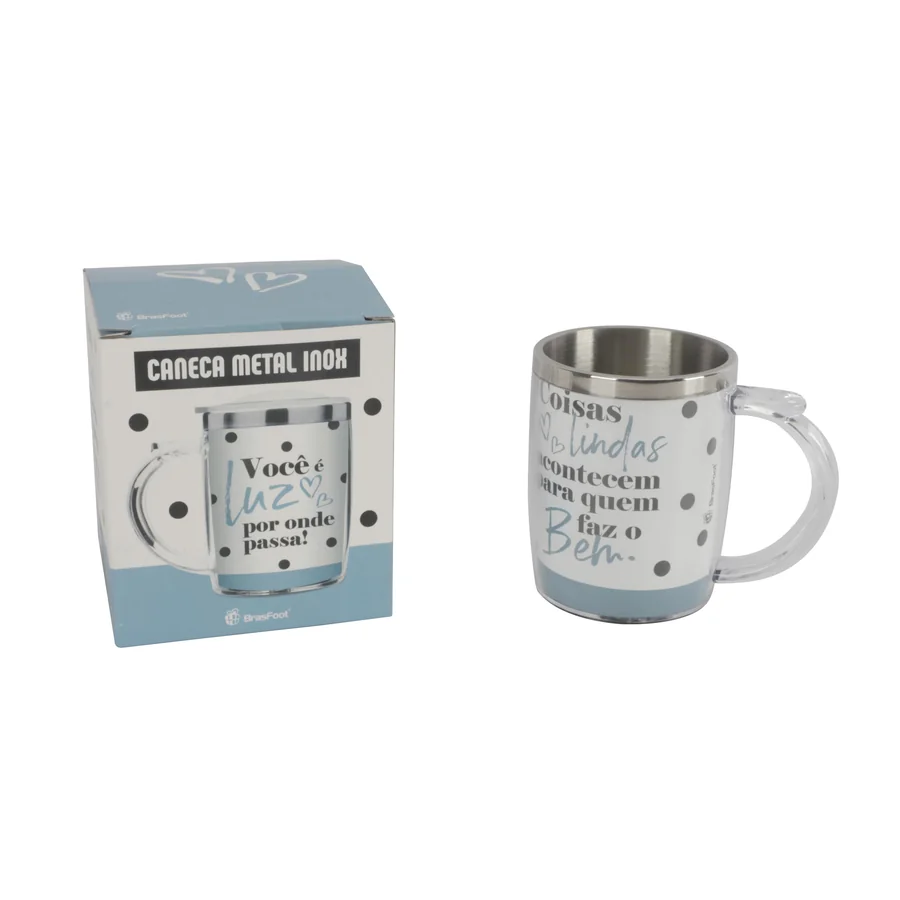
Ceramic mugs: glazed stoneware and porcelain mugs, with lids, spoons and gift-boxed sets.
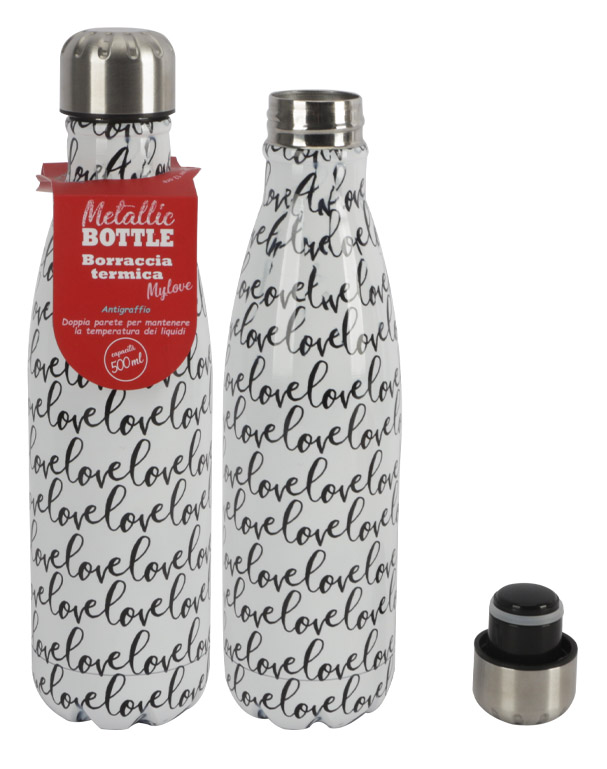
Insulated bottles and travel mugs: vacuum stainless bottles and tumblers from 350 ml to 1 litre, with straw, flip and screw lids.
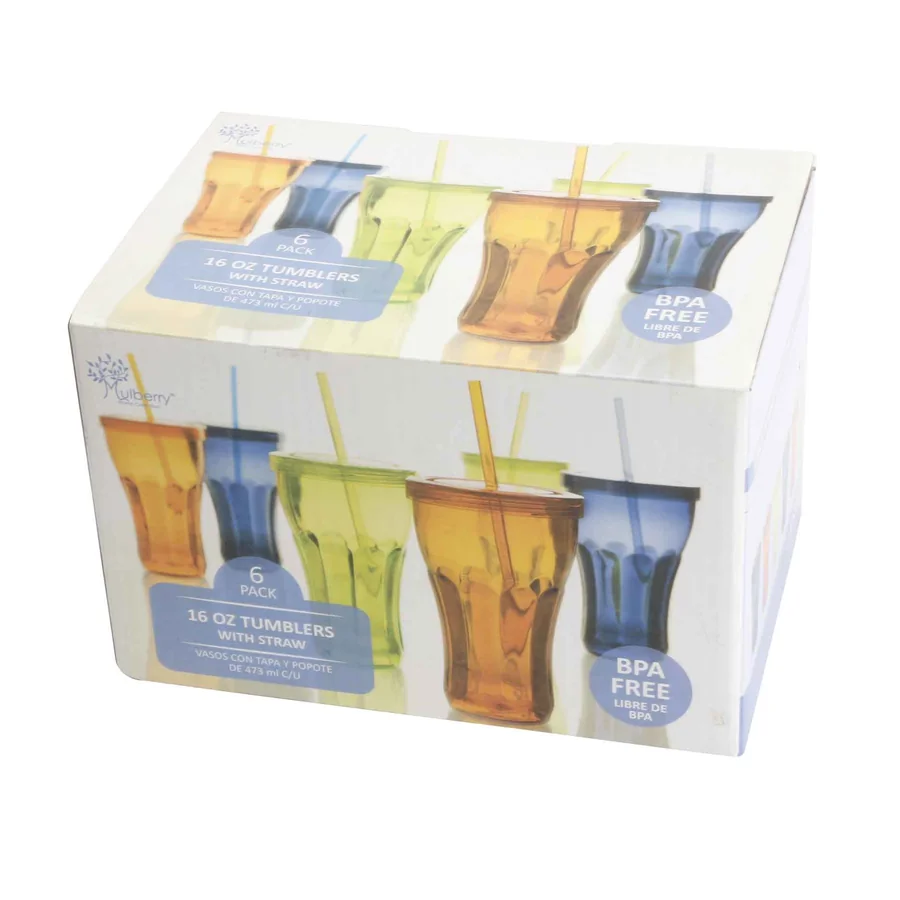
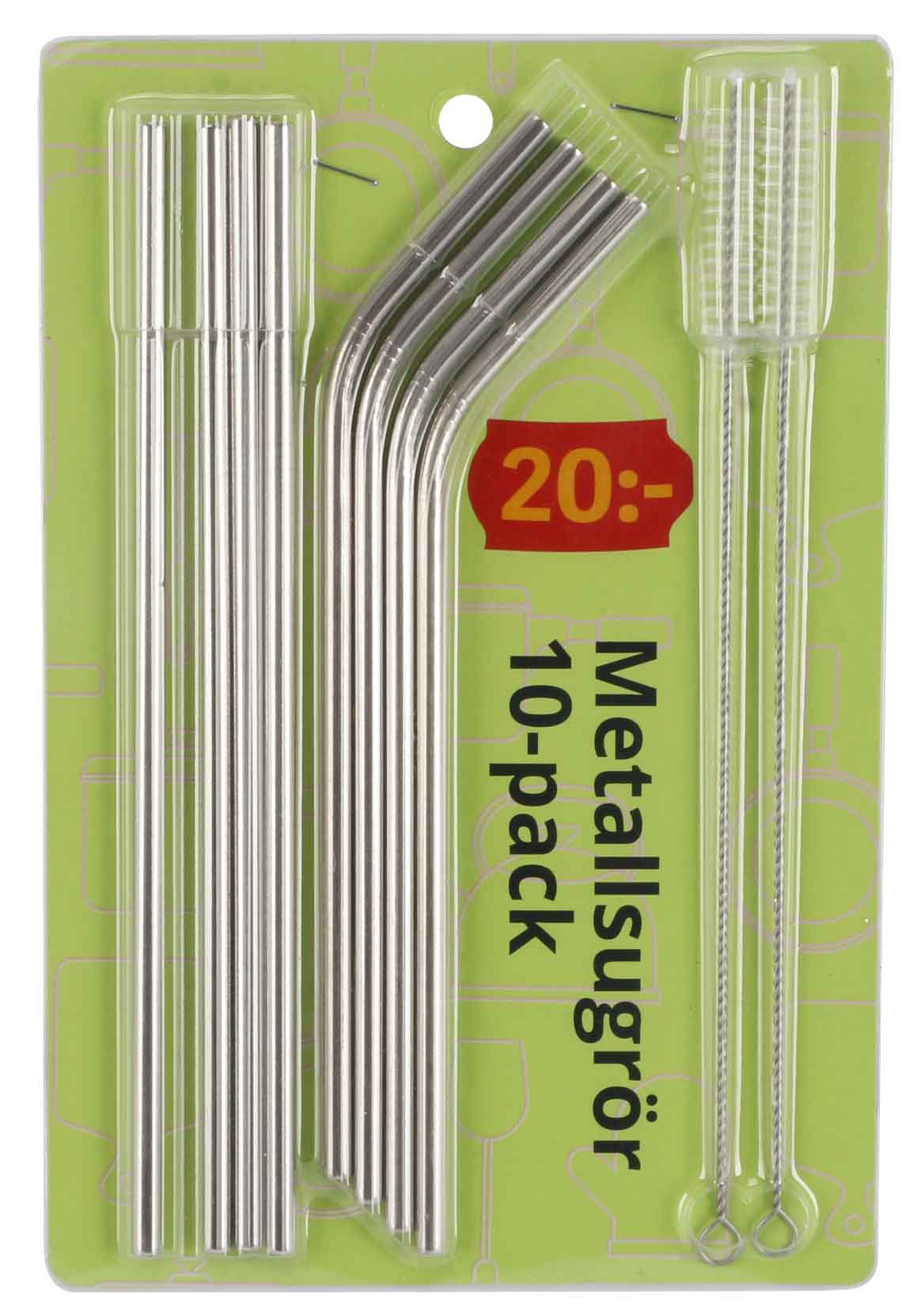
Tumblers, straws and hydration: plastic and Tritan tumblers, reusable metal and silicone straws, straw sets and cleaning brushes.
Barware: cocktail shakers, jiggers, strainers, muddlers, pourers, bottle stoppers and openers, plus decanters and ice buckets.
Drink accessories: coasters, glass markers, ice-cube moulds, cocktail picks and gift sets.
Send the shelf plan or the set you are building and we will propose a mix at defined price points rather than a list of unrelated pieces.
Food-contact, thermal and safety compliance
Drinkware touches food and drink on every use, and the insulated lines carry performance claims, so both routes have to be confirmed before production:
Food contact: EU 1935/2004 and the plastics measure 10/2011, LFGB in Germany and FDA 21 CFR in the United States; glass and ceramic are checked for lead and cadmium release where decorated, and metals for grade and migration.
Insulated products: the hot and cold retention hours are verified on the finished unit at a stated starting temperature, and the lid and gasket assembly is leak-tested on production pieces.
Materials: food-grade silicone gaskets and sleeves, food-grade PP and Tritan, and 304 or 316 stainless where corrosion resistance is specified.
Care claims: dishwasher-safe, microwave-safe and freezer-safe are claims that have to match the product as built, including the decoration on a printed mug.
Children's drinkware: where a product is intended for children it is assessed on how it is presented, and it is kept to the appropriate age range and warning wording.
Documents: material declarations and test reports are kept with the order file, and third-party testing with a nominated laboratory is supported on request.
Shihm is a trading company rather than a testing laboratory, so we do not issue certificates: we confirm the test route with our partner factories against your destination and your customer's specification sheet, and the reports are issued under the laboratory's name.
Quality control: the faults that actually happen
Leaking lids and seals - the most common return on insulated drinkware: controlled by a leak test on the assembled production unit and a gasket dimensional check.
Thermal performance shortfall - bottles that do not hold the hours claimed: controlled by a hot-and-cold retention test at the declared starting temperature.
Sharp rims and chips on glass - controlled by a rim and base inspection and a handled-edge check before packing.
Coating and print wear - powder-coated or printed bottles that flake, and mugs whose decoration lifts: controlled by a cross-hatch adhesion test and a wash test.
Odour and taste transfer - gaskets and sleeves that smell: controlled by a material declaration and a migration check.
Transit breakage - glass is the claim-risk material: controlled by the packing specification and the agreed drop test.
Every lot is inspected against the approved pre-production sample before loading, and the inspection report travels with the shipping documents.
Packing, MOQs and lead times
MOQ: from 500-1,000 pcs per design on stock shapes; higher where custom moulds, custom decals or printed bottles are involved.
Sampling: depends on the item - about a week for a repeat order or a stock shape, several weeks for a new design; custom tooling or a bespoke print adds further weeks.
Production: thirty to forty-five days after deposit, plus twenty-five to thirty-five days sea freight.
Packing: glass is individually wrapped, interleaved and corner-protected and the carton is drop-tested; insulated lines are bagged so they arrive free of dust, and gift sets are boxed retail-ready.
Customisation: printed and embossed decoration, powder-coat and moulded colour, silicone sleeve colour, your artwork, branded labels and gift boxes.
Because a drinks range mixes glass, ceramic and insulated metal, it is usually consolidated with the wider kitchen order, which spreads the freight across several lines instead of carrying it on one.
Sourcing notes: MOQs, materials and lead times
Materials: soda-lime and borosilicate glass, porcelain and stoneware, vacuum 304/316 stainless steel, food-grade PP and Tritan, food-grade silicone, bamboo and cork.
Range: tumblers and stemware, ceramic mugs, insulated bottles and travel mugs, plastic and Tritan tumblers, straws, cocktail shakers and bar tools, coasters and gift sets.
MOQ: from 500-1,000 pcs per design on stock shapes; higher where custom moulds, custom decals or printed bottles are involved.
Sampling: depends on the item - about a week for a repeat order or a stock shape, several weeks for a new design; custom tooling or a bespoke print adds further weeks.
Production: 30-45 days after deposit, plus 25-35 days sea freight to Europe or the US East Coast.
Packing: glass individually wrapped, interleaved, corner-protected and drop-tested; insulated lines bagged; gift sets boxed retail-ready.
Customisation: printed and embossed decoration, powder-coat and moulded colour, silicone sleeve colour, your artwork, branded labels and gift boxes.
Compliance: EU 1935/2004 and 10/2011, LFGB or FDA 21 CFR food-contact rules; lead and cadmium release for decorated glass and ceramic; leak and thermal retention testing on insulated products; supported by third-party inspection (SGS, BV, TUV or your nominated lab) on request.
FAQ
What is your MOQ for drinkware? From 500-1,000 pcs per design on stock shapes; custom moulds or a bespoke print carry a higher minimum, quoted per project.
What are your lead times? Seven to ten days for counter samples, thirty to forty-five days for production after deposit, plus twenty-five to thirty-five days sea freight to Europe or the US East Coast.
Are your insulated bottles leak-proof? Lid and gasket assemblies are leak-tested on production units, not just on the sample - a leaking lid is the most common return on this line.
How do you verify the hot and cold retention claims? The hours hot and hours cold are measured on the finished unit at a stated starting temperature, so the number on the label matches what the bottle does.
Is your glassware borosilicate or soda-lime? Both are available and they are not interchangeable: borosilicate is specified where a piece takes boiling liquid or high-heat washing, soda-lime for everyday tumblers and stemware.
Is your decorated glassware and ceramic food-contact safe? Yes - decorated glass and ceramic are tested for lead and cadmium release on the finished piece, and the decoration method is matched to the care claim you intend to print.
Can you print our logo on the bottle or the packaging? Yes - printed and embossed decoration, powder-coat and moulded colour, branded labels, sleeves and gift boxes, worked to your own artwork.
How do you pack glassware for export? Individual wrapping, interleaving, corner protection and a master carton designed against a defined drop test, with print-ready packing for e-commerce sellers.
How do we start? Send reference images, your target retail price points and the set you are building; we come back with factory options, a sample timetable and a landed cost estimate.