
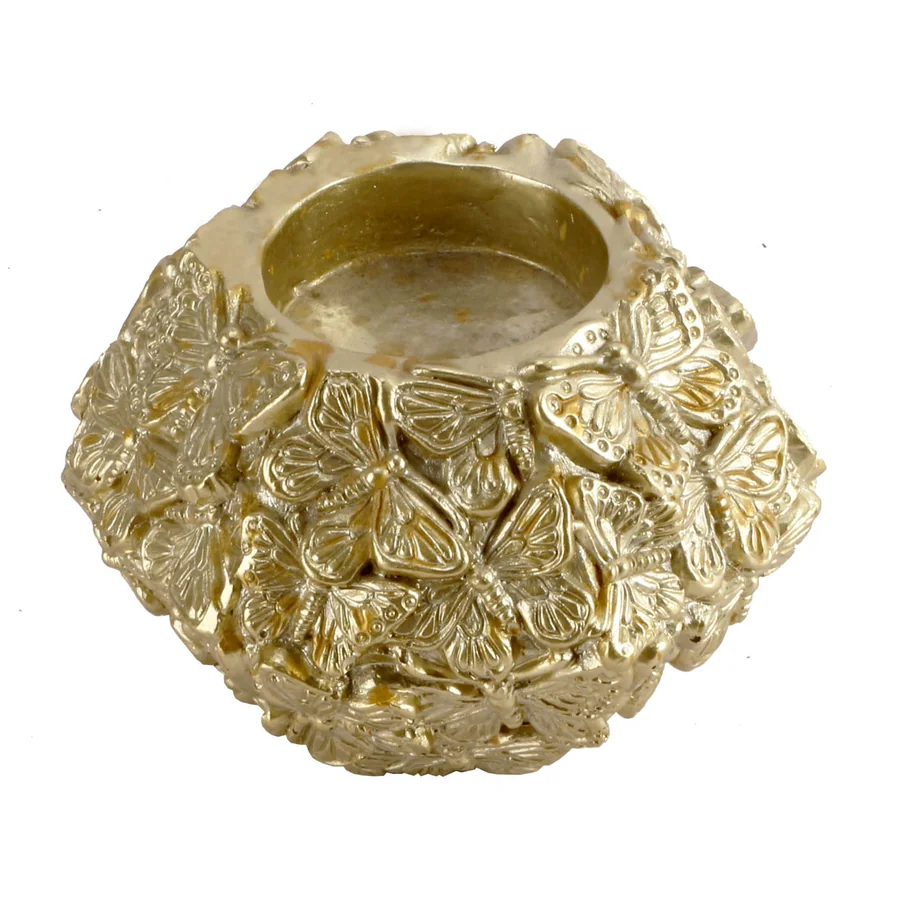
Candle holders are one of the steadiest lines in home décor, because they sell across seasons and across price points: a plain tea light cup turns all year, a sculpted resin piece carries the gift shelf, and a hurricane lantern anchors an autumn or Christmas display. We supply wholesale candle holders and candles from China in glass, ceramic, resin, metal, wood and stone, together with unscented and fragranced candles, so a retailer can build a complete candle programme with one supplier instead of two. Every design is confirmed on a physical pre-production sample, and every shipment is inspected against that approved sample before loading.
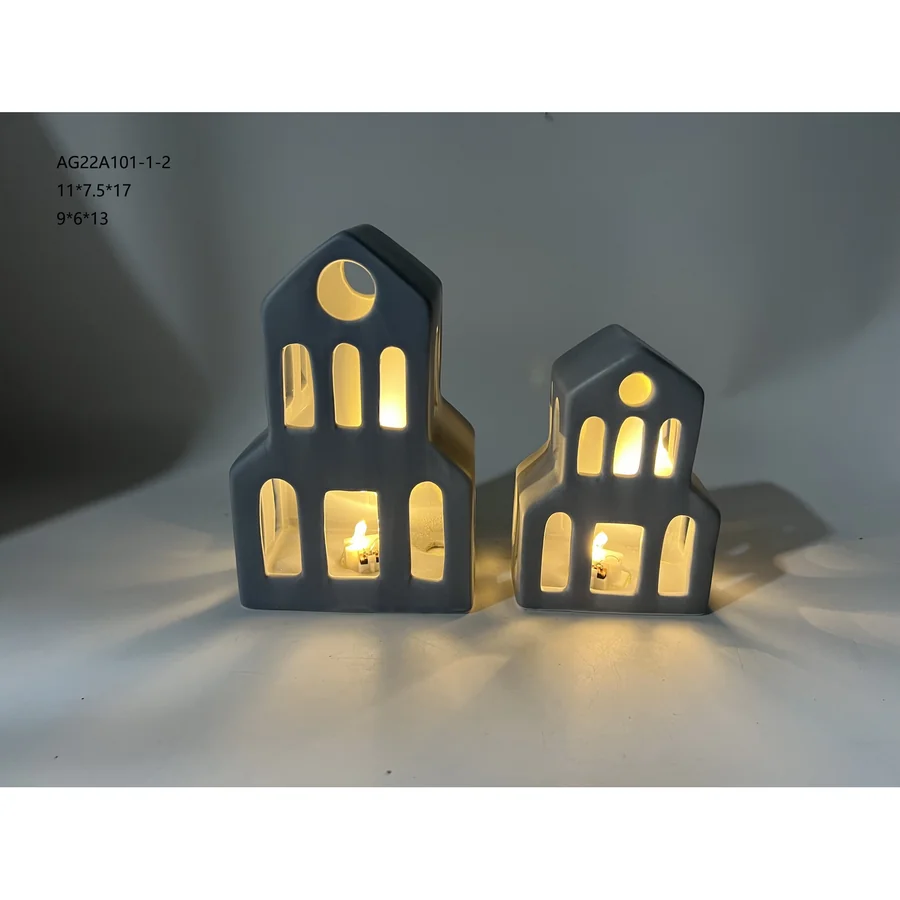
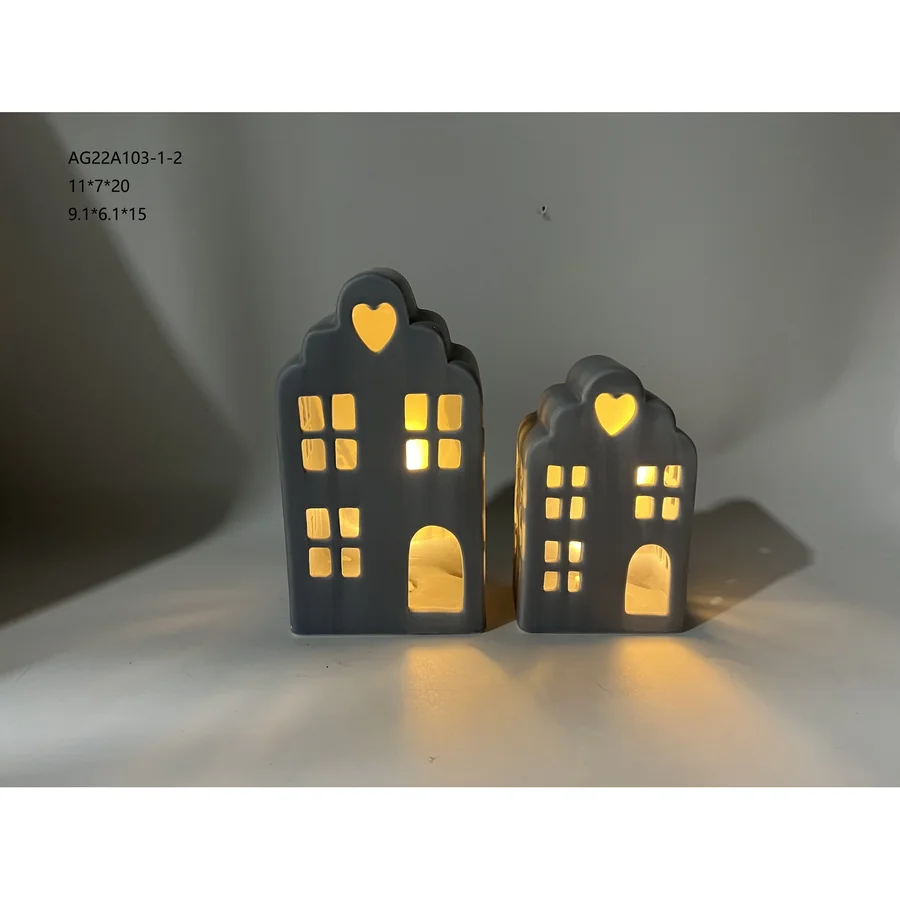
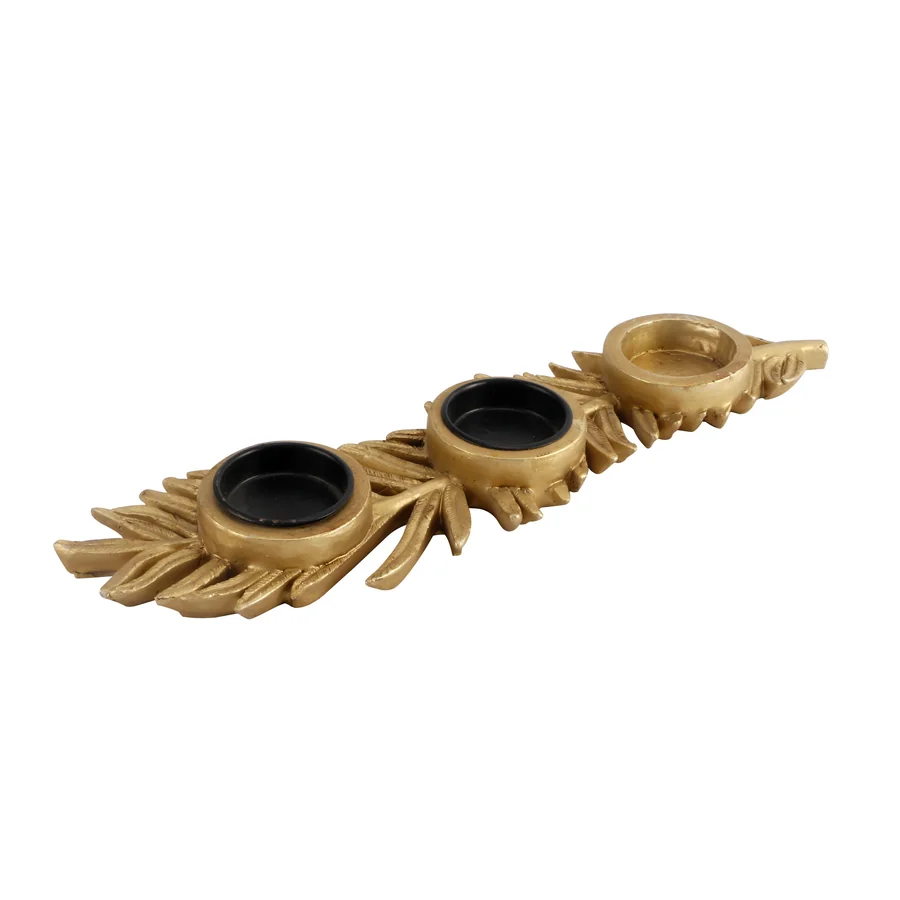
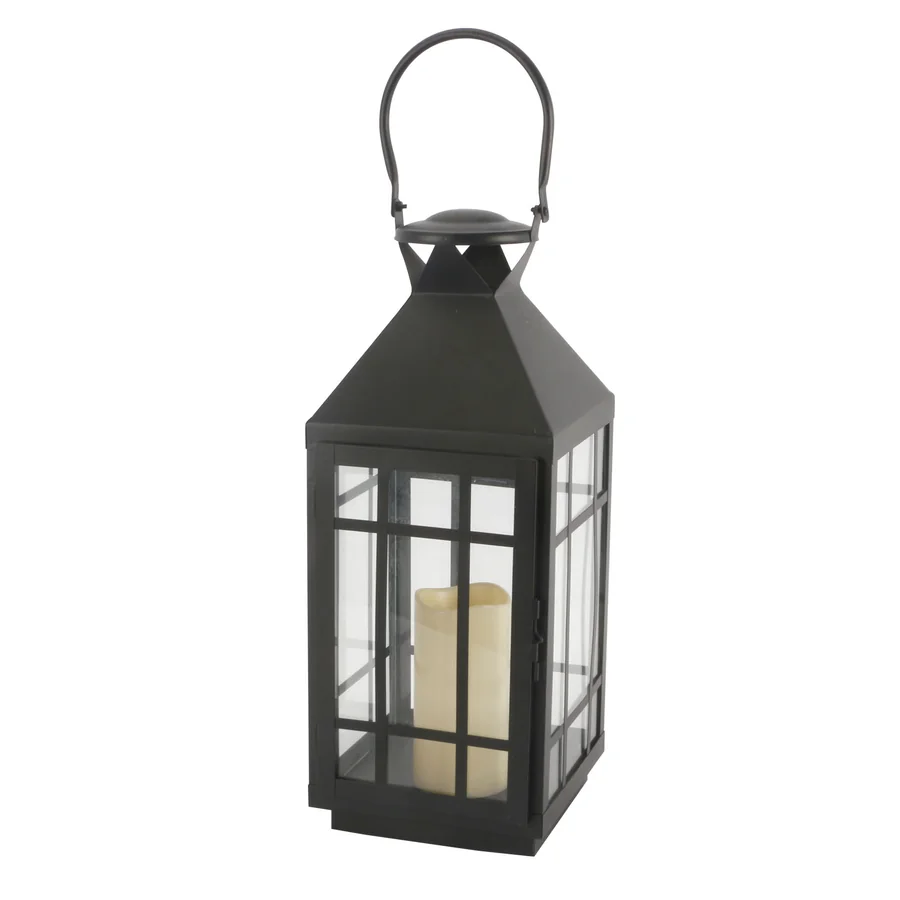
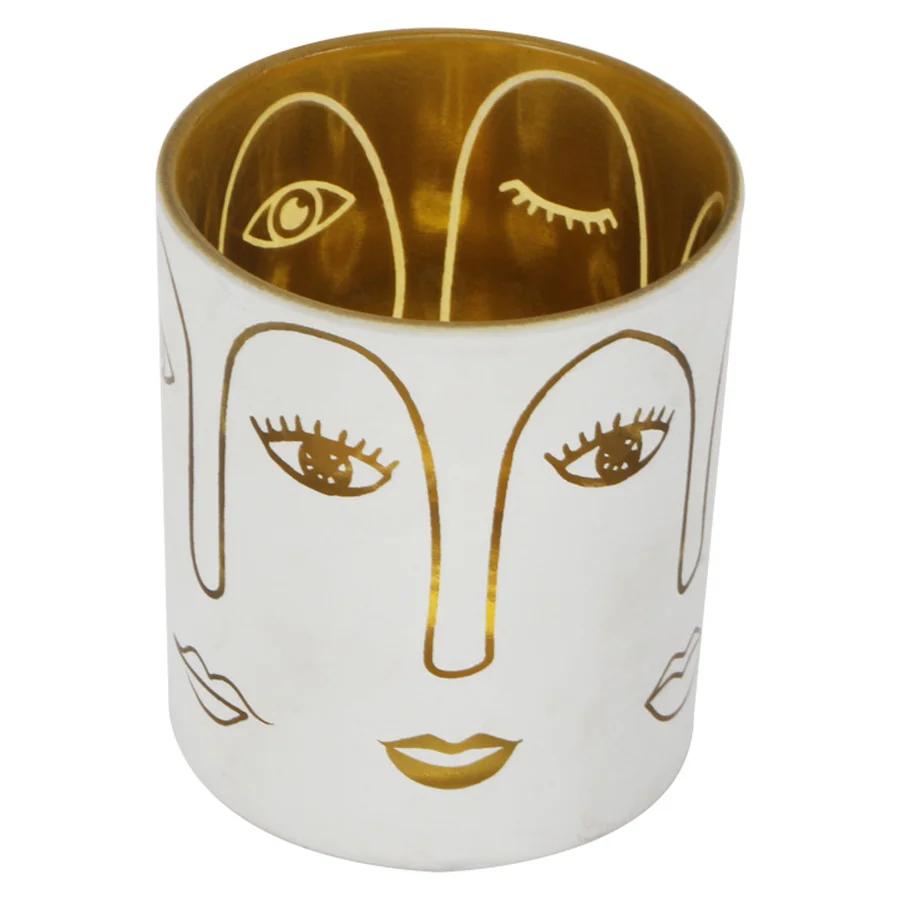
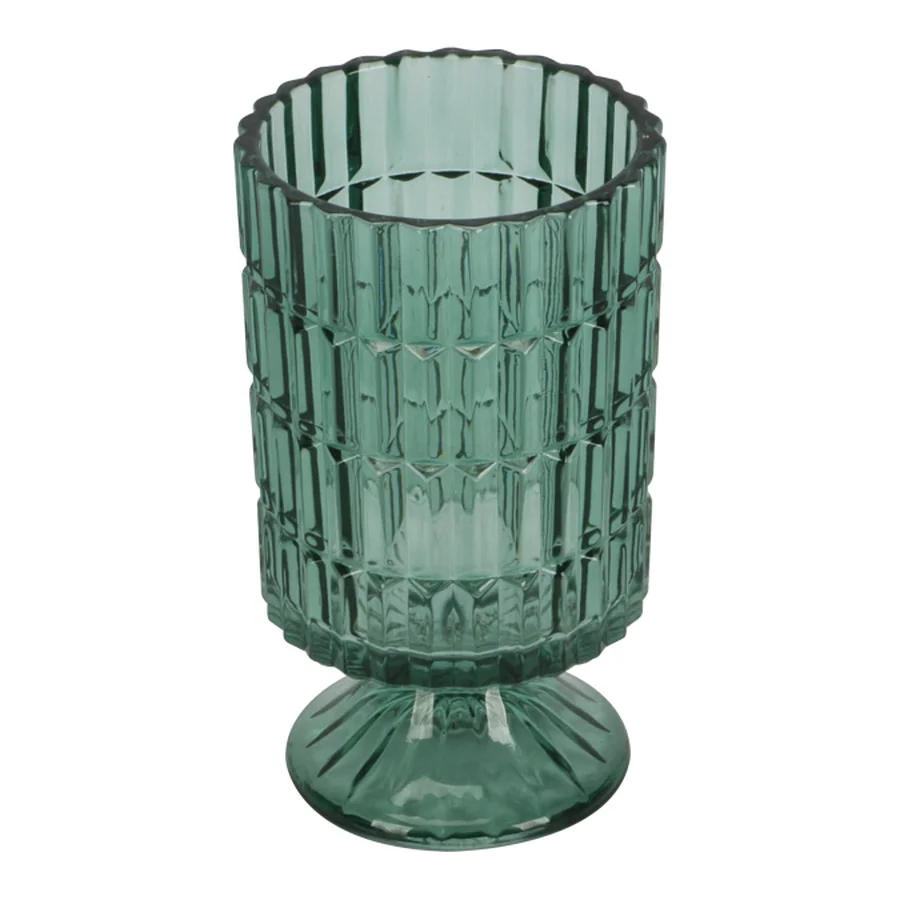



The holder is a finish-led product, and the material decides both the cost and the failure mode. Glass is the volume material: mouth-blown for organic shapes and machine-pressed for repeatable, tight-tolerance work, in clear, tinted, frosted, ribbed and mercury-silvered finishes. Where the glass sits close to the flame, a borosilicate specification — or a soda-lime body with a defined thermal-shock test — is the safe route, and we confirm which one applies with the factory at sampling rather than assuming. Ceramic and stoneware holders cover the mid and gift tiers, with matte, reactive and glazed finishes; the quality signals are glaze evenness, controlled crazing and a flat, stable base.
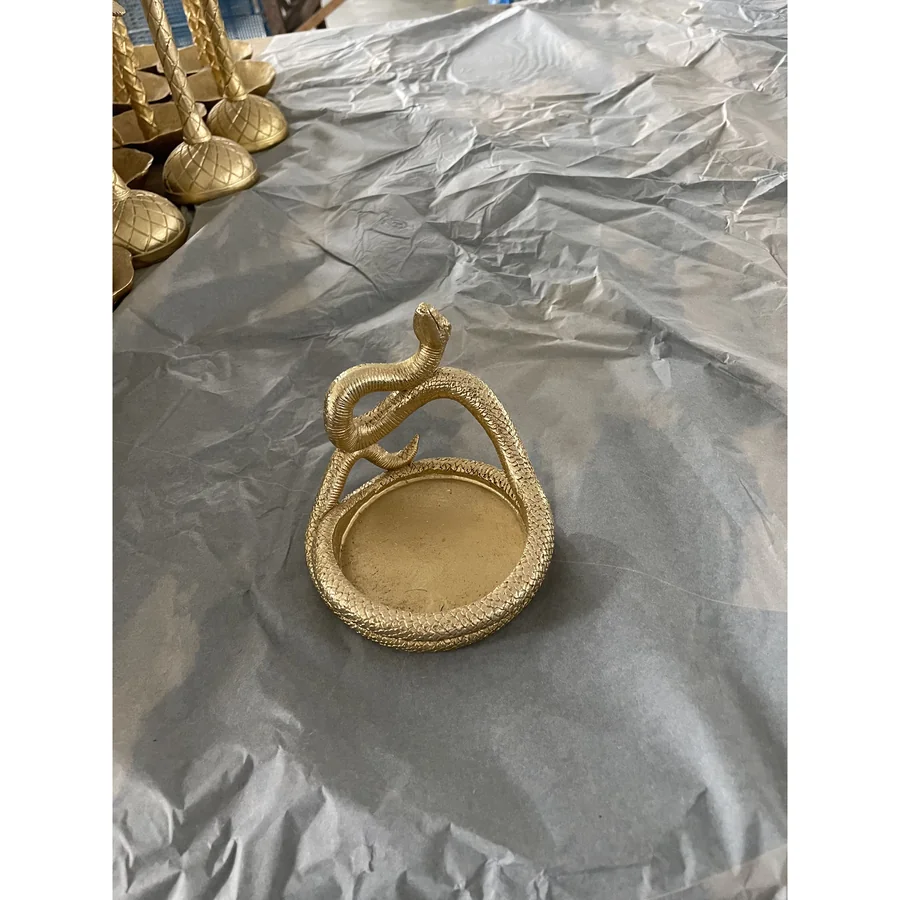
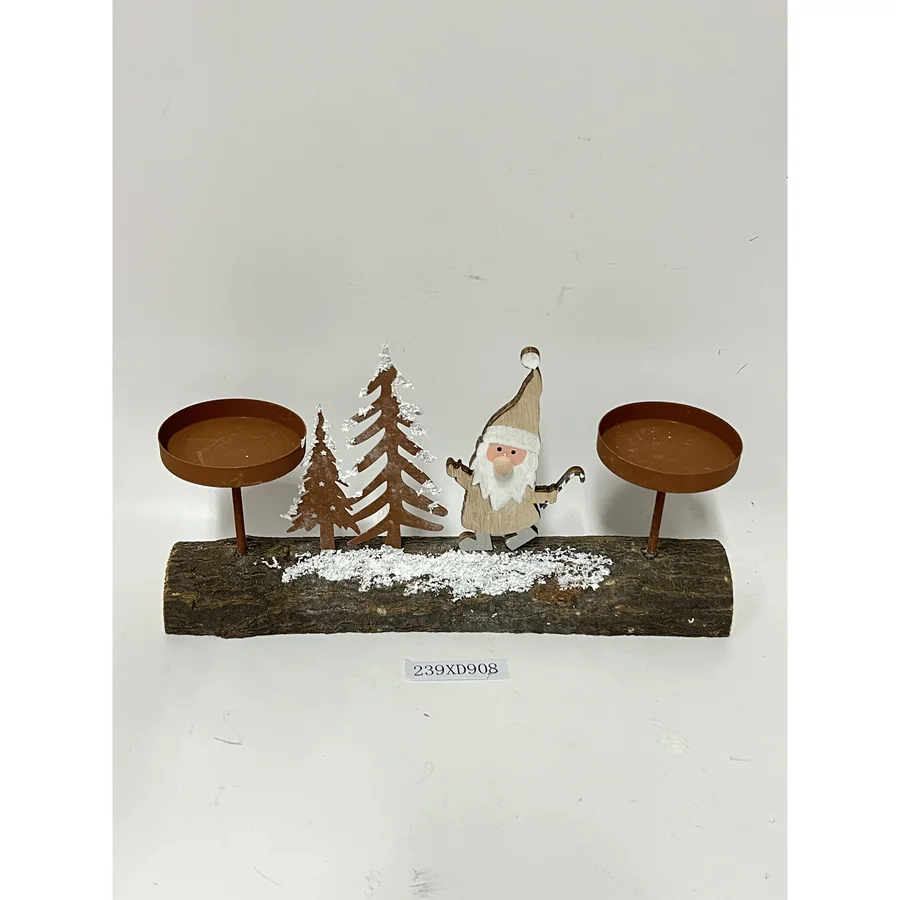
Resin and polyresin give us the sculpted shapes that sell as gifts, including gold and silver plated and antiqued finishes. Metal appears as powder-coated steel and aluminium lanterns with glass panels, and as plated brass-look candlesticks. Wood, bamboo and stone are the natural-material end of the range: turned bases in pine, acacia and mango, with a moisture content and a clear or tinted lacquer that stop the piece from moving after it has been shipped. Whatever the material, the finish is signed off on a physical sample rather than from a photograph, because plating tone, glaze depth and lacquer sheen read quite differently on screen and under retail light.
We build to your market's standard candle formats rather than to a fixed catalogue, and the pairing between holder and candle is the specification that matters most:
Send us the candle you intend to sell with the holder — the diameter, the height and whether it is a tea light, votive, pillar or taper — and we will quote the holder, the candle and the fit as one specification. A holder that only accepts a non-standard candle is a returns problem waiting to happen, so the socket diameter and the cup depth are checked with the actual candle on the pre-production sample, not from a drawing.
Candles are specified separately from the holders, and the specification is what decides whether the product lights cleanly and burns for the time printed on the label. We work with paraffin, soy, palm, beeswax and the common blends: paraffin gives the strongest colour and scent throw at the lowest cost, while soy and coconut blends carry the clean-burn story that several markets now expect. Fragrance load is normally 3-8%, on an IFRA-compliant fragrance or essential-oil blend, and the wick is sized to the vessel diameter — an over-sized wick is the single most common cause of a candle that smokes, tunnels or burns too hot for its holder.
Soy pours can frost and develop sink-holes as they cool, which is a cosmetic issue rather than a fault; where the finish matters, we specify a pour and a cooling profile that control it, and we approve the surface on the pre-production sample.
This is the category where compliance has to be settled before production, not after. For the United States, candle accessories are covered by ASTM F2601 and candles by the ASTM F2058 fire-safety specification, tested on the finished product that will actually ship; for the European Union, candles fall under EN 15493 (fire safety), EN 15494 (product safety labels) and EN 15426 (sooting behaviour). Glass and ceramic holders are checked for heat resistance with the candle they will be sold with, because thermal shock depends on wall thickness, the size of the flame and the air gap between the two, not on the glass grade alone.
Shihm is a trading company rather than a testing laboratory, so we do not issue our own certificates: we work with partner factories, confirm the test route against your destination and your customer's specification sheet, and support third-party inspection and testing (SGS, BV, TUV or your nominated lab) on request, with the reports issued under that laboratory's name.
Glass and ceramic holders are the claim-risk lines in this category, so packing is designed before production rather than chosen at the end. Each unit is individually protected — bubble bag, foam wrap or a moulded pulp insert — cartons are interleaved and corner-protected, and the master carton is specified against the drop-test standard you intend to ship against. Brown cartons keep landed cost down, while retail-ready and gift-box packaging, with print-ready outer labels and barcodes, suit supermarket, chain-store and e-commerce buyers.
Candles add a second constraint: temperature. Paraffin softens and soy can frost or sweat in high heat, so candle cartons are kept away from direct sun and from deck stowage on a summer routing, and the load plan is agreed with the forwarder. Holders and candles are loaded together — the containers are weight-and-cube mixed, and because holders are heavy for their volume while candles are comparatively light, balancing the two is what keeps the freight per unit sensible. Where a programme adds décor or seasonal lines, the whole mix travels on one container plan and one set of documents.
Candle complaints cluster around a small number of predictable faults, and each one has a defined control point:
We inspect against the approved pre-production sample before loading and issue the inspection report with the shipping documents.
Start from the shelf and the price ladder, then work back to the specification. A programme that carries a whole candle department usually runs three tiers: an entry tier of glass tea light and votive cups in two or three shapes, sold in sets and carrying the volume; a mid tier of ceramic, metal and wood pillar and taper holders that gives the shelf its variety; and a gift tier of resin, mercury-glass and stone pieces, often gift-boxed, that lifts the average order value. Selection on stock shapes is what keeps the sampling cost and the MOQ low enough to test a new idea inside a mixed container.
Two decisions matter more than the design list. First, keep the candles matched to the holders you ship — the socket diameter and the candle diameter should be a deliberate pairing, not two separate purchases. Second, buy a story rather than a scatter: a neutral year-round story of four to six designs, plus one seasonal story for autumn and Christmas, reads better on the shelf and is far cheaper to sample than twenty unrelated pieces. For fragrance, launch four to six core scents and prove the throw before you commit to a long list.
A standard programme takes eight to ten weeks end to end: seven to ten days for counter samples, thirty to forty-five days for production after deposit, and twenty-five to thirty-five days sea freight. New moulds, custom glass or a bespoke fragrance add fifteen to twenty days at the sampling stage, so they have to be started earlier.
If your programme is tied to a fixed retail set-up date, tell us the date at the start and we will work backwards from it and confirm the last acceptable order date in writing.
Can I mix candle holders and candles in the same order? Yes, and most buyers do — the two are quoted and shipped as one specification, so the holder and the candle that fits it arrive together.
Can you match a fragrance or a colour to our own sample? Yes. Send a physical sample or a Pantone reference and we will confirm the match on a pre-production sample, keeping the approved piece as the reference for production.
What is your MOQ for candle holders? From 500 pcs per design on stock shapes; 1,000-3,000 pcs where custom moulds, custom glass or a bespoke fragrance are involved.
What are your lead times? Seven to ten days for counter samples, thirty to forty-five days for production after deposit, plus twenty-five to thirty-five days sea freight to Europe or the US East Coast.
Do the holders come with candles that fit them? Yes. We confirm the socket diameter and the cup depth against the actual candle at sampling, so the fit is part of the approved specification rather than an assumption.
How do you handle candle safety and testing? We confirm the route against your destination — ASTM F2601 and ASTM F2058 for the US, EN 15493, EN 15494 and EN 15426 for the EU — test the holder with the candle it ships with, and support third-party inspection and testing through your nominated laboratory.
Are the holders dishwasher safe? Most decorative glass, ceramic and plated holders are hand-wash only; we confirm the care instruction with the factory and print it on the label so it matches the product.
Can you put our brand on the product and the packaging? Yes — printed or etched labels, branded dust bags, gift boxes, hangtags and retail cartons, working to your own artwork and dieline.
How do you pack glass and ceramic holders for export? Individual protection, interleaving, corner protection and a master carton designed against a defined drop test, with drop-test and print-ready packing for e-commerce sellers.
How do we start a candle programme? Send reference images, your target retail price points and any fragrance direction; we will come back with factory options, a sample timetable and a landed cost estimate.