
Bakeware is bought against the oven, and the specification that matters is heat: the pan has to take the temperature the recipe prints without warping, flaking or releasing its coating. We supply wholesale bakeware and baking moulds from China across carbon-steel and aluminised pans, silicone moulds and mats, glass and ceramic ovenware, baking trays, cooling racks and decorating tools - the range a supermarket, houseware chain or online seller builds a baking aisle from.
Carbon steel and aluminised steel carry the volume lines: round and square cake tins, loaf pans, muffin trays, springform pans and baking sheets. The quality signals are the thickness and evenness of the steel, whether the rolled rim is smooth, and how the non-stick coating performs after repeated cycles - a pan that releases cleanly on the first bake and sticks on the twentieth has failed, so coating adhesion is checked with a cross-hatch and a wear test rather than from the sample alone. Where a non-stick coating is specified it is confirmed as PFOA-free, which is what most retail specifications now require.
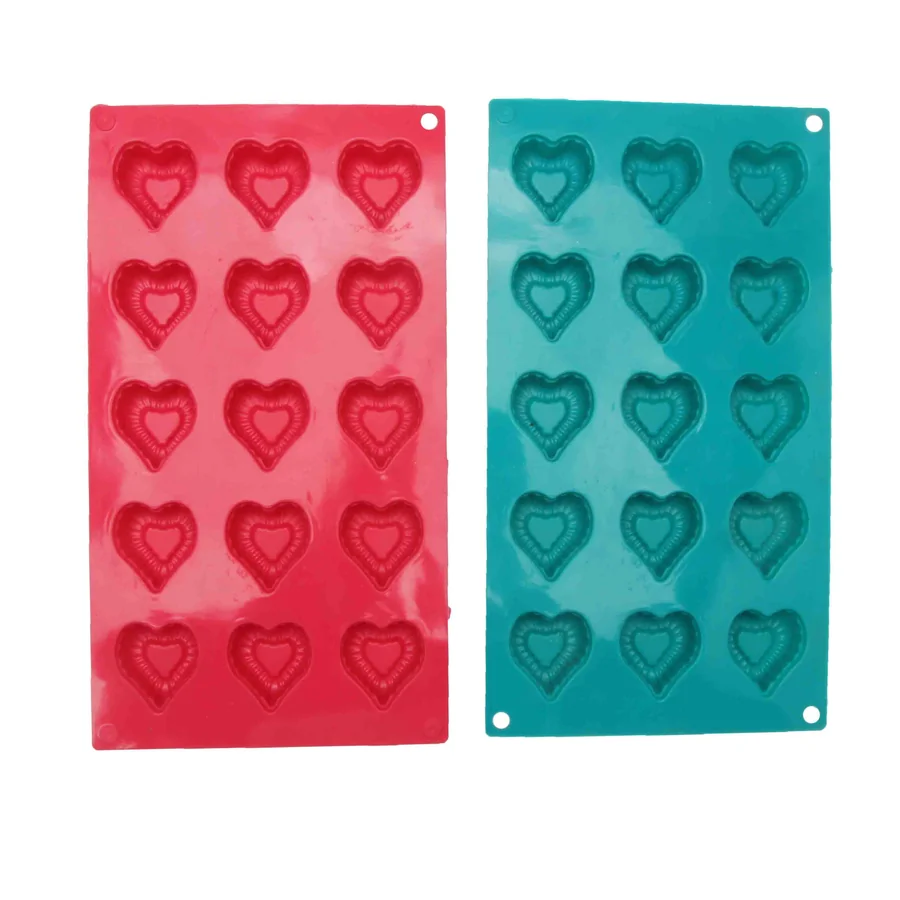
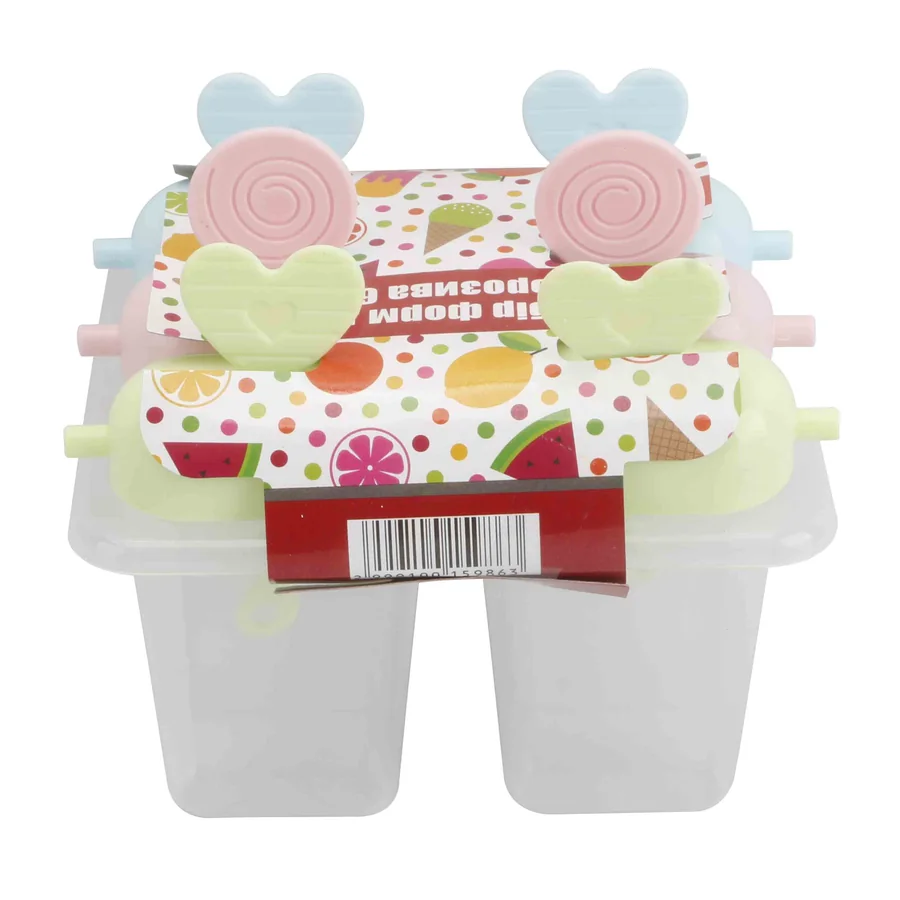
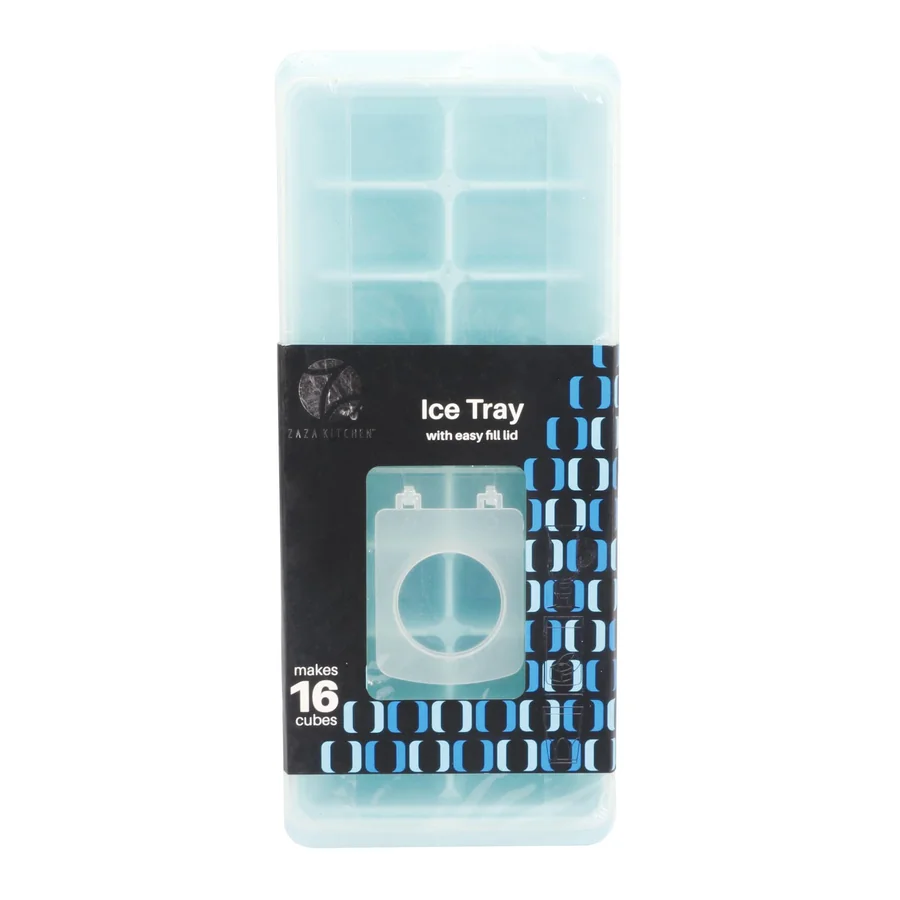
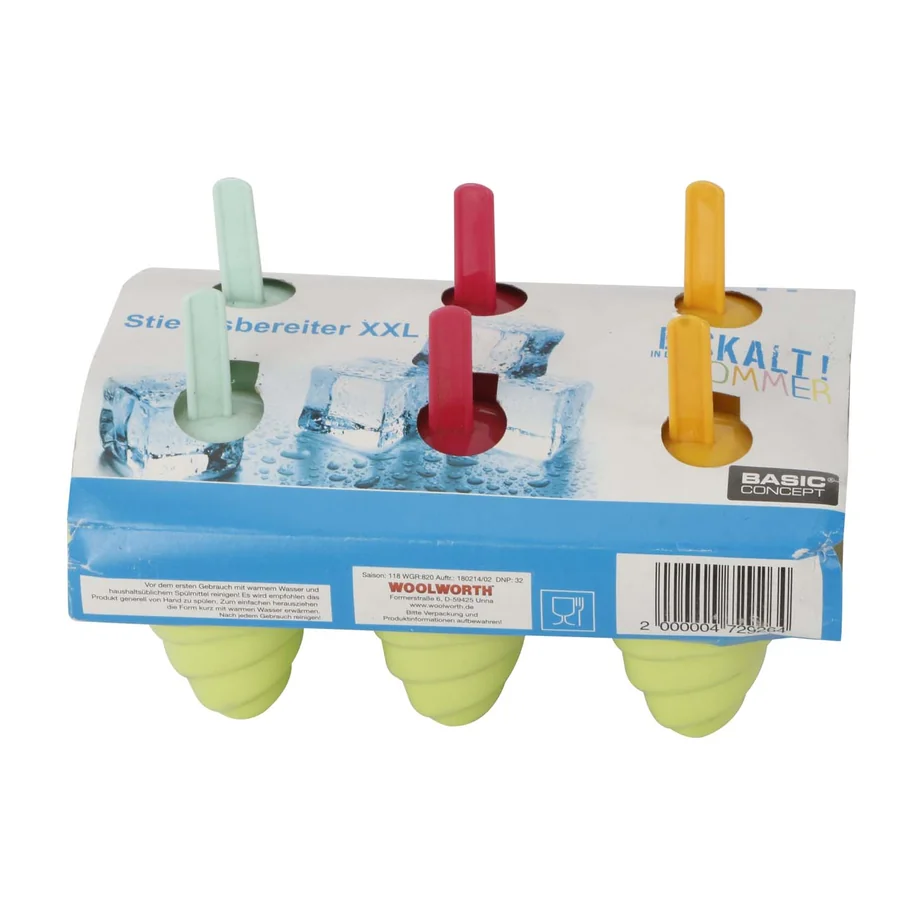
Silicone handles the flexible end of the range: cake and muffin moulds, chocolate and ice moulds, baking mats and non-stick liners. Food-grade silicone is specified at a defined shore hardness so the mould holds a shape when filled but still releases by hand, and it is checked for the volatile organic content that decides whether the piece smells of rubber in a hot oven. Heat-resistance is quoted as a real limit - typically 230 degrees C for silicone - and that claim has to match the compound that ships.
Glass and ceramic ovenware give the clean, scratch-free look that sells at the upper tiers: borosilicate or tempered soda-lime dishes, pie plates, ramekins and ceramic baking dishes in clear, tinted and glazed finishes. Glass is graded on the absence of bubbles and mould lines and on whether it survives the thermal shock from oven to worktop; ceramics are graded on glaze evenness and on a flat, stable base that does not wobble on a rack. Aluminium foil, greaseproof paper and moulded pulp cover the disposables and the liners.
Send the recipe or the cake sizes you are baking for and we will propose a mix that covers the shelf at defined price points rather than a list of unrelated pieces.
Bakeware is a food-contact and a heat product at the same time, so both routes have to be confirmed before production:
Shihm is a trading company rather than a testing laboratory, so we do not issue certificates: we confirm the test route with our partner factories against your destination and your customer's specification sheet, and the reports are issued under the laboratory's name.
Every lot is inspected against the approved pre-production sample before loading, and the inspection report travels with the shipping documents.
Because a baking range is bought as a set - the tin, the tray, the mat and the decorating tools on one shelf - it is almost always consolidated with the wider kitchen order, which is how the freight is spread across several lines instead of being carried by one.
What is your MOQ for bakeware? From 500-1,000 pcs per design on stock shapes; custom tooling or a bespoke print carries a higher minimum, quoted per project.
What are your lead times? Seven to ten days for counter samples, thirty to forty-five days for production after deposit, plus twenty-five to thirty-five days sea freight to Europe or the US East Coast.
Is the non-stick coating PFOA-free? Yes - where a non-stick coating is specified it is confirmed PFOA-free, and coating adhesion is checked with a cross-hatch and a repeated-release test.
What temperature is the bakeware rated to? Each material carries its own limit - typically 230 degrees C for silicone - and the temperature printed on the product or its label is confirmed against the material as built and tested.
Is the glass ovenware oven-to-table safe? Borosilicate and tempered ovenware is checked for thermal shock and for lead and cadmium release where it is sold as a serving piece as well as a baking dish.
Is the silicone pure or filled? Food-grade silicone is specified at a defined shore hardness and checked for volatile content, so the mould holds its shape and does not smell of rubber in the oven.
Do you do gift packaging and our own branding? Yes - printed measurements, gift boxes, sleeves, hangtags and retail cartons, worked to your own artwork and dieline.
How do you pack glass and ceramic bakeware? Individual wrapping, interleaving, corner protection and a master carton designed against a defined drop test, with print-ready packing for e-commerce sellers.
How do we start? Send reference images, your target retail price points and the bake sizes you are covering; we come back with factory options, a sample timetable and a landed cost estimate.