

Party and table is the one seasonal group that trades all year: birthdays do not move, and the same buyer who orders a birthday range in January comes back for summer parties, baby showers, graduations and the year-end celebrations. We supply wholesale party supplies and tableware from China across paper and board tableware, plastic and reusable tabletop, banners and garlands, cake candles, balloons, favour bags, party kits and LED party lighting - the range a supermarket, party retailer, discount chain or e-commerce seller builds a party aisle from.
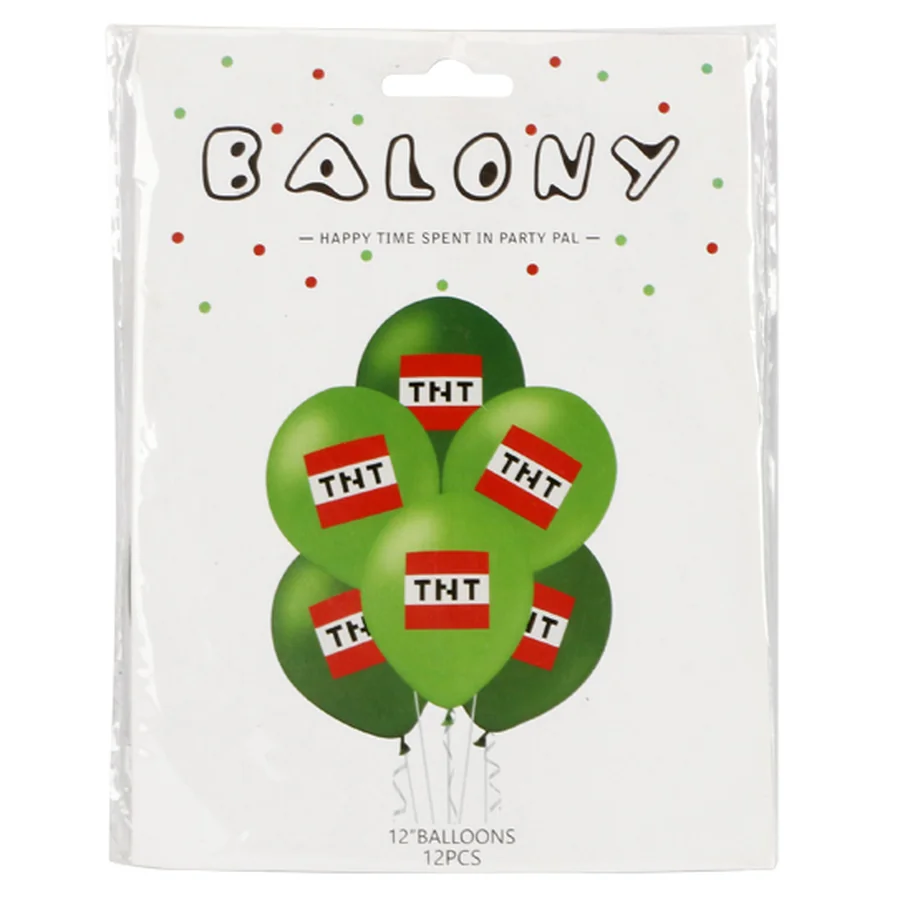
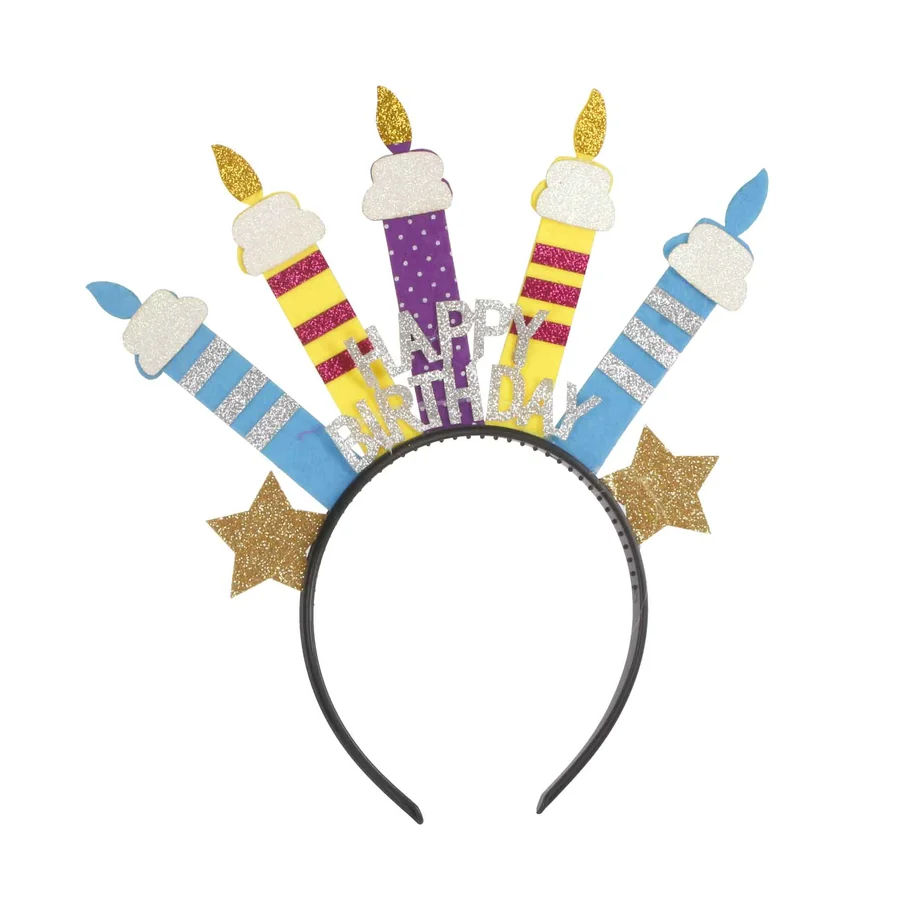
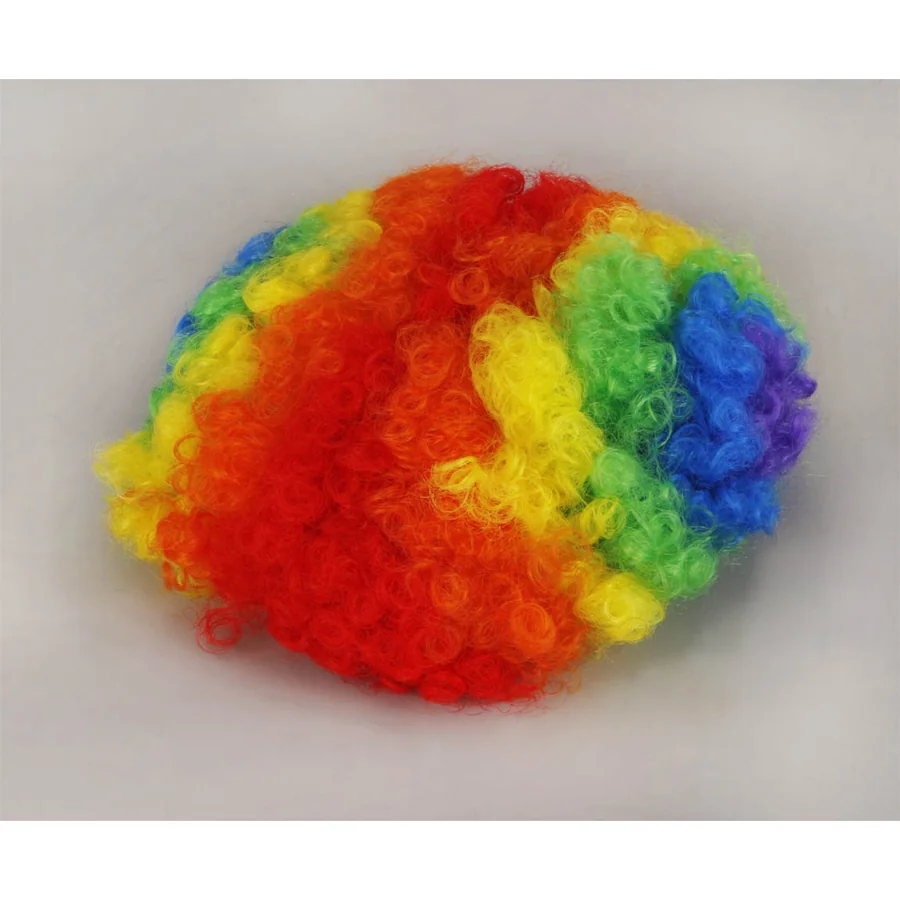
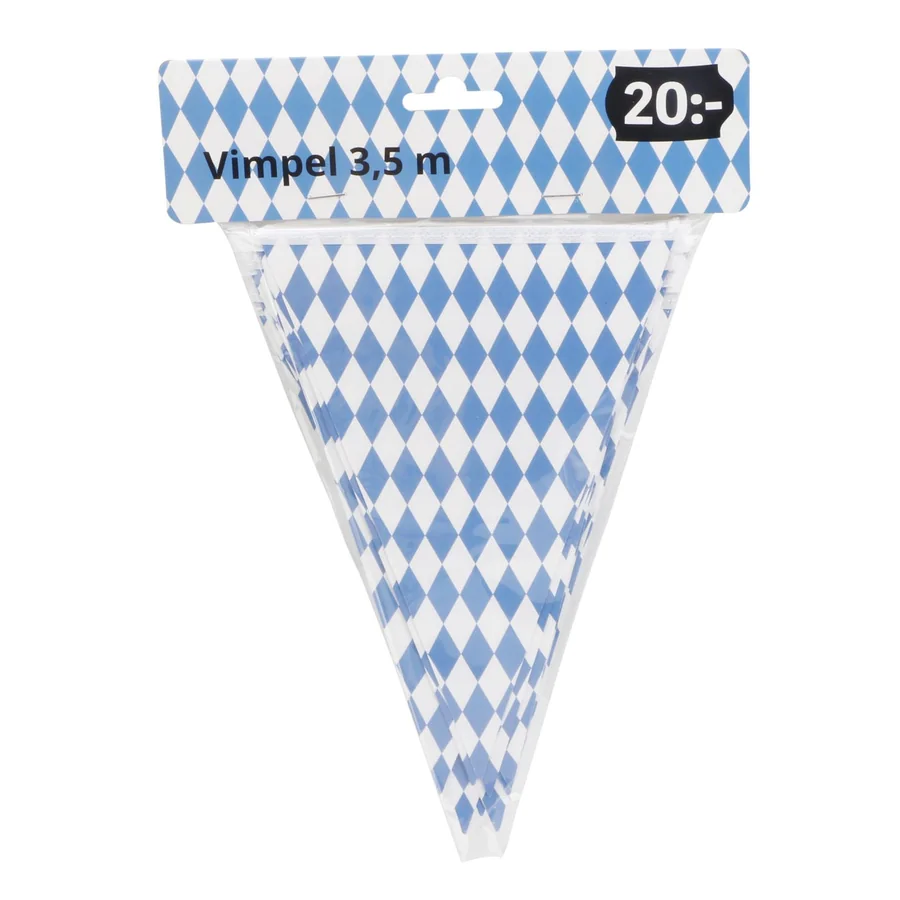
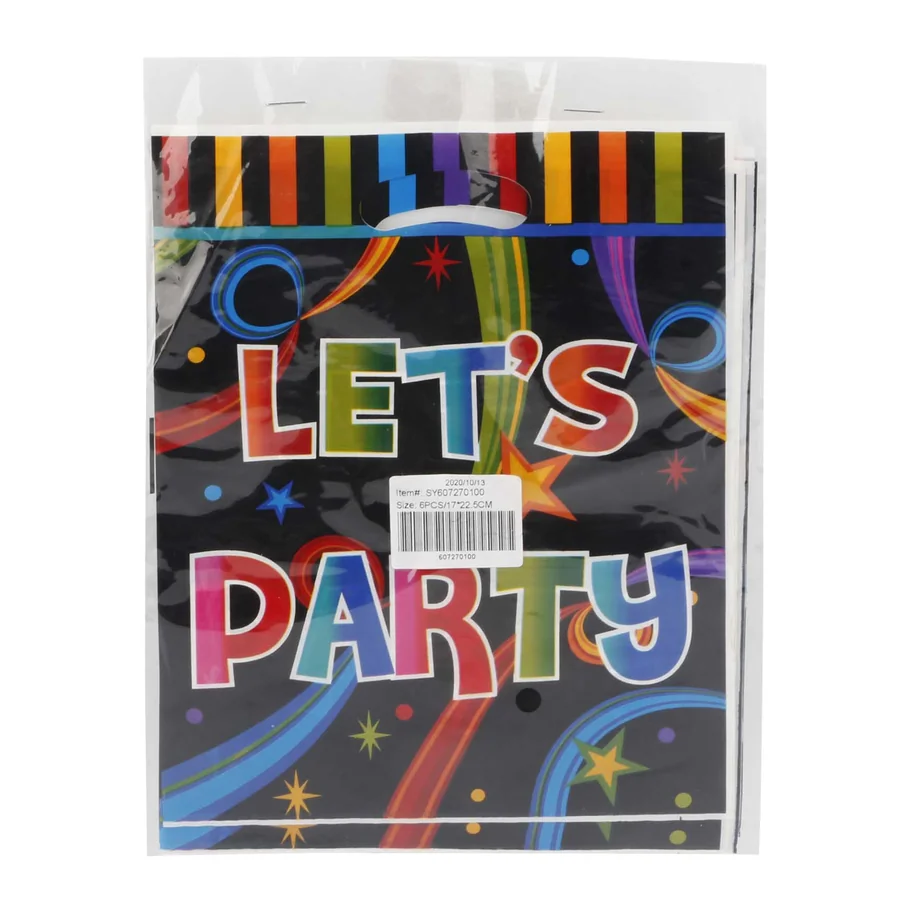

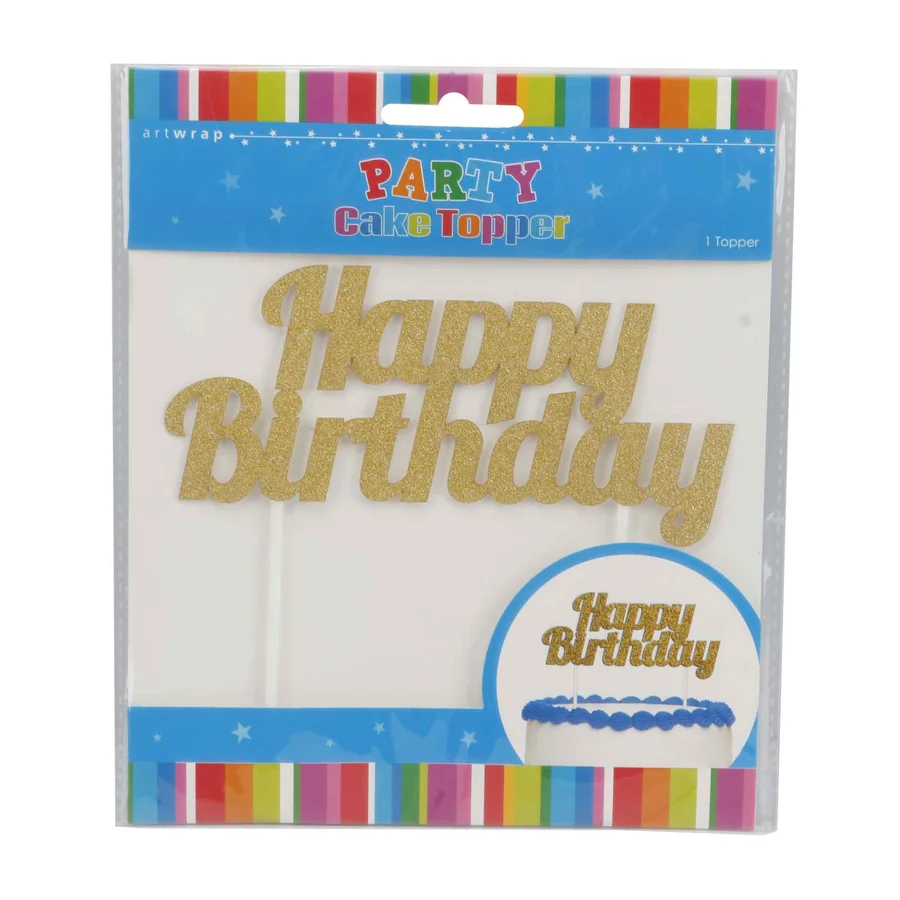
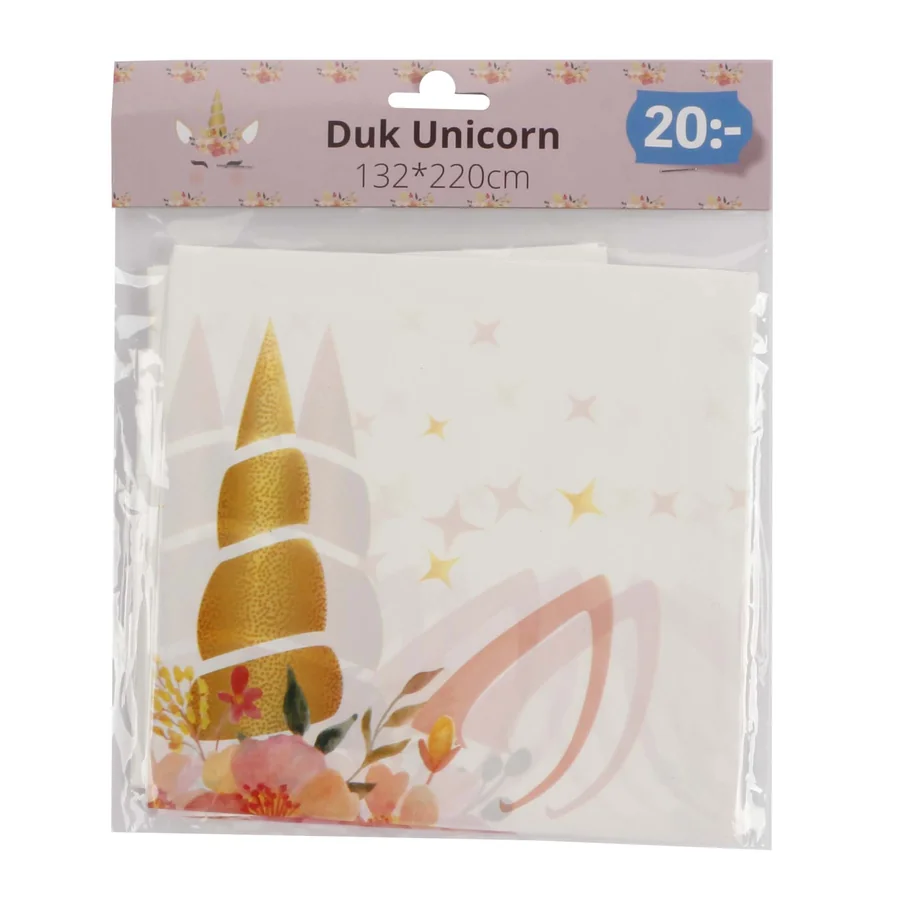
Food contact is what separates this category from the rest of home decor, so the material choice is a compliance decision as much as a design one. Paper and board tableware - plates, cups, napkins, treat boxes and favour bags - should be food-grade stock with a printed or coated surface that does not migrate into food; a greaseproof or water-based coating is now the default for buyers who are moving away from plastic film, and it is worth specifying which coating is acceptable before sampling starts. Plastic tableware is usually polypropylene or PET for repeat use, or a compostable material such as PLA or bagasse for the single-use end, and the choice has to match both the price point and the legislation in the destination market.
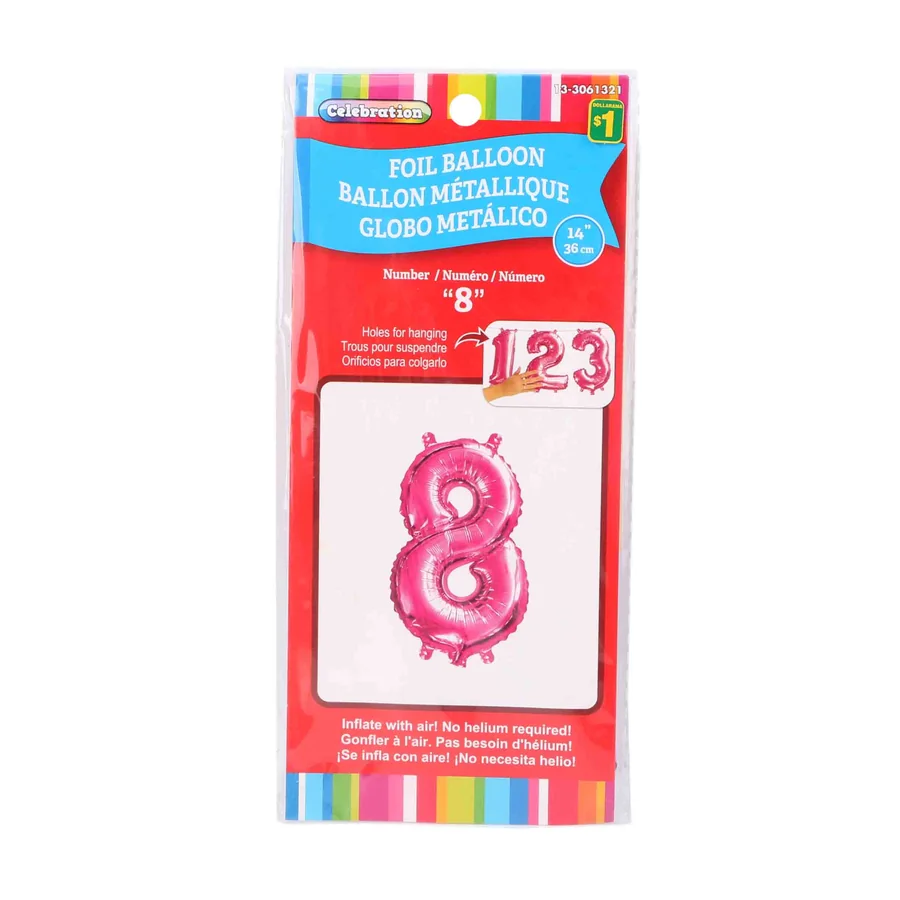
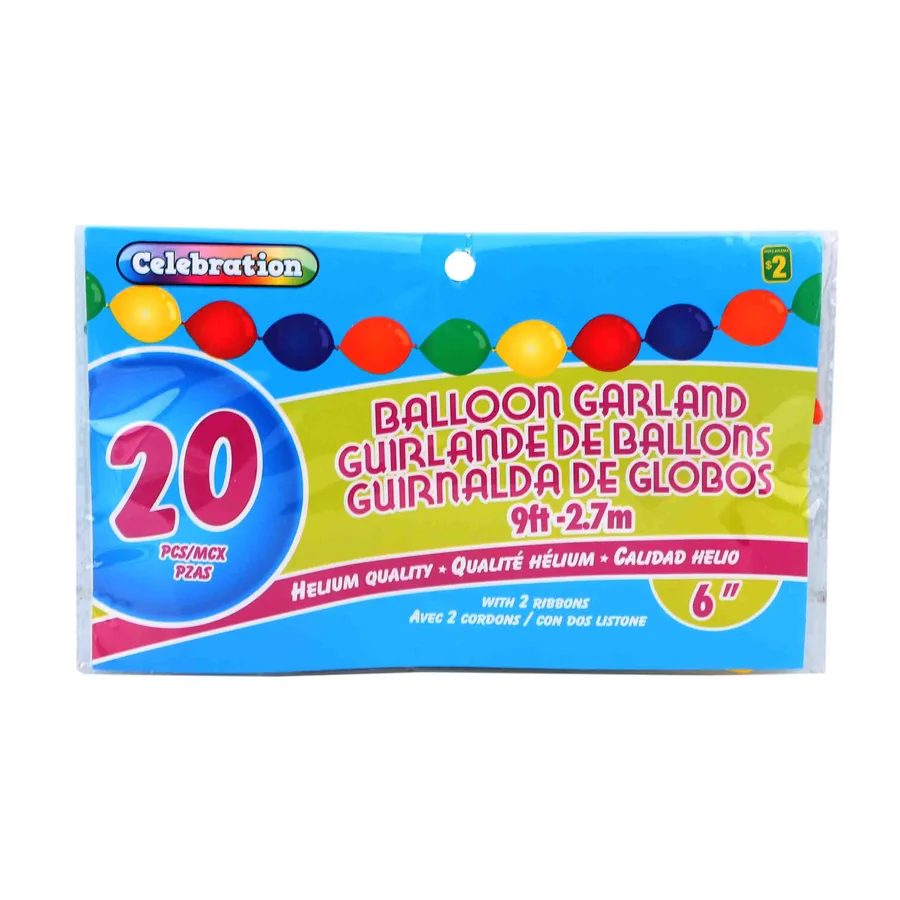
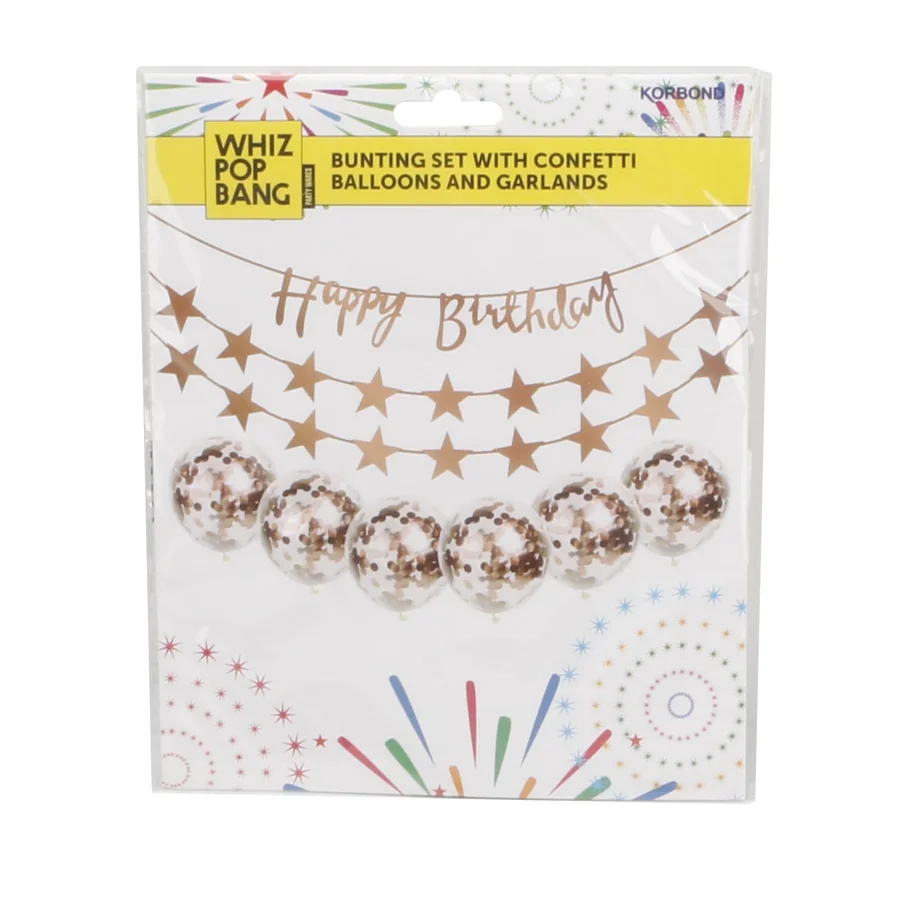
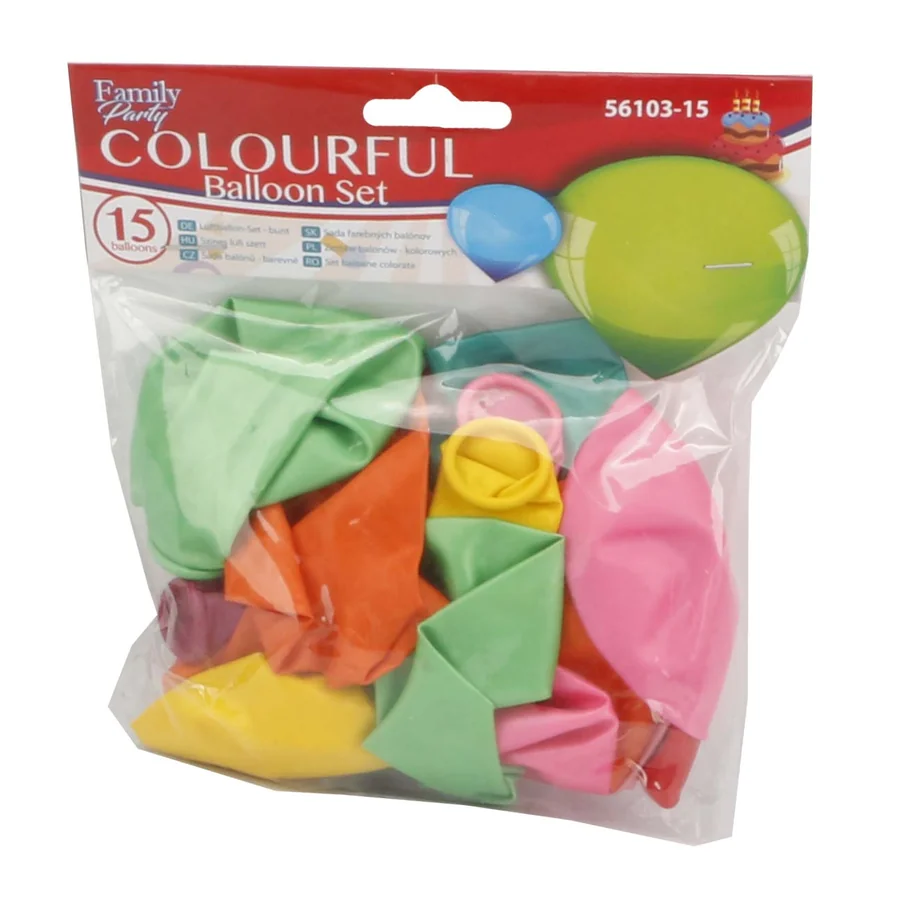
Banners, garlands and bunting are print and fabric work: card and paper for the value end, felt and cotton for a reusable look, and printed fabric flags for the mid range. The quality signals are print registration, colour fastness and the evenness of the die-cut. Balloons are a material category of their own - latex and foil - and are bought on their inflated size, their colour range and their print. Candles are the fire-safety item in the range, from a small birthday candle to a numbered or letter candle, and the wick and the burn behaviour matter more than the look. LED party lighting - battery strings, fairy lights and light-up numbers - is treated as an electrical product rather than as decoration.
Across all of it, the artwork is the product. We work to your print files and dielines, and we confirm colour on a physical printed proof rather than from a screen PDF, because paper stock and coating shift the print tone noticeably between the proof and the production run.
A party range is built from a few groups that repeat across every occasion:
Send the occasion, the theme and the target retail price points, and we will propose a complete kit at each level rather than a list of individual pieces.
This category touches food contact, fire safety and children's safety at the same time, so the compliance route is settled before production rather than at the port.
Shihm is a trading company rather than a testing laboratory, so we do not issue certificates: we work with partner factories, confirm the test route against your destination and your customer's specification sheet, and support third-party inspection and testing with a nominated laboratory on request, with the reports issued under that laboratory's name.
Party goods are the lightest category we handle and the most cube-sensitive, so packing is designed around volume rather than weight. Tableware is shrink-wrapped or banded in defined pack counts, napkins and banners are flat-packed, balloons are packed to avoid pressure marks, and the master carton is sized to the pallet and to the fixture it will be sold from. Retail-ready packs, clip strips and shelf-ready trays are all available where a buyer needs the product to go from carton to shelf without repacking.
Because party is a year-round line with several peaks, it is the easiest category to consolidate: birthday tableware, banners, candles and lighting are weight-and-cube mixed into one container with seasonal lines so the freight is spread across the year rather than carried by one season. The lighting part of the order adds a documentation constraint: the test reports and the listing mark have to match the exact product that ships, so the product code, the string length and the LED count are frozen at sampling and not changed afterwards.
Party complaints cluster around a small set of predictable faults, and each one has a control point:
Every lot is inspected against the approved pre-production sample before loading, and the inspection report travels with the shipping documents.
Start from the occasion and the price ladder, then work back to the specification. A programme that carries a party aisle usually runs three tiers: an entry tier of single-use paper and board tableware, napkins and banners that gives volume and is bought again and again; a mid tier of reusable plastic, printed tableware and themed kits that gives the fixture its variety; and a small premium tier of reusable tabletop, premium candles and boxed kits that lifts the average order value. Keeping the entry tier on stock shapes is what keeps sampling cost and minimum order quantities low enough to test a new occasion inside a mixed container.
Two decisions matter more than the design list. First, choose the material policy once - conventional plastic, or a paper and compostable direction - because the material decision drives the compliance route and the price ladder for everything else in the range. Second, build around a small number of occasions and themes: birthday and general celebration will carry the year, with themed extensions for the peaks, and a range built that way is far cheaper to sample and far easier to reorder than twenty loose pieces.
A standard programme takes eight to ten weeks end to end: seven to ten days for counter samples, thirty to forty-five days for production after deposit and twenty-five to thirty-five days sea freight. New tooling or a custom print adds fifteen to twenty days at the sampling stage.
Party is a year-round category with seasonal peaks, so the calendar is a baseline plus a set of windows:
Tell us the shelf date at the start and we will work backwards from it and confirm the last acceptable order date in writing, together with the production and sailing dates that make it achievable.
What is your MOQ for party supplies? From 500 pcs per design on stock shapes; 1,000-3,000 pcs where custom tooling, a custom print or a custom electrical specification are involved.
What are your lead times? Seven to ten days for counter samples, thirty to forty-five days for production after deposit, plus twenty-five to thirty-five days sea freight to Europe or the US East Coast.
Is your tableware food-contact safe? Yes. Plates, cups and cutlery are produced to the food-contact rules of the destination market - EU 1935/2004 and 10/2011, LFGB or FDA 21 CFR - with a declaration of compliance and a migration test on the finished article.
Can you supply plastic-free or compostable tableware? Yes - paper, board, bagasse and PLA options are available, and we will confirm which material suits your market and your price point before sampling.
Do your balloons carry the safety warning? Latex balloons are supplied with the age warning and the safety notice about uninflated and broken balloons printed on the pack, as the market requires.
Are the cake candles fire-safe? Candles are assessed on the finished article - EN 15493 and EN 15494 in the EU, ASTM F2601 and ASTM F2058 in the United States - and the warning text is matched to the market.
Can you print our own artwork and themes? Yes. We work to your print files and dielines and approve a physical printed proof before production, so the paper stock and coating are confirmed on the finished pack rather than on a screen.
Do you supply complete themed kits? Yes - a kit can combine tableware, banners, candles, balloons and favours at one price point, and it is the format most buyers use to lift the average order value.
Can you supply party goods year-round on one container? Yes. Party is the easiest category to consolidate: birthday lines and seasonal peaks are weight-and-cube mixed into one loading plan so the freight is spread across the year.
How do we start a party programme? Send your occasion list, target retail price points, material preference and any artwork; we will come back with factory options, a sample timetable and a landed cost estimate.