

Easter is a fixed-shelf, movable-date season, and that single fact shapes the whole order. The retail set-up is predictable, but the date it points at moves by up to a month from year to year, so the production window has to be worked backwards from the actual calendar rather than from last year's file. We supply wholesale Easter decorations from China across ceramic and resin figurines, egg ornaments, hanging and tabletop pieces, tableware, baskets and gift packaging - the range a supermarket, garden centre, discount chain or gift wholesaler needs to fill a seasonal aisle from one container.
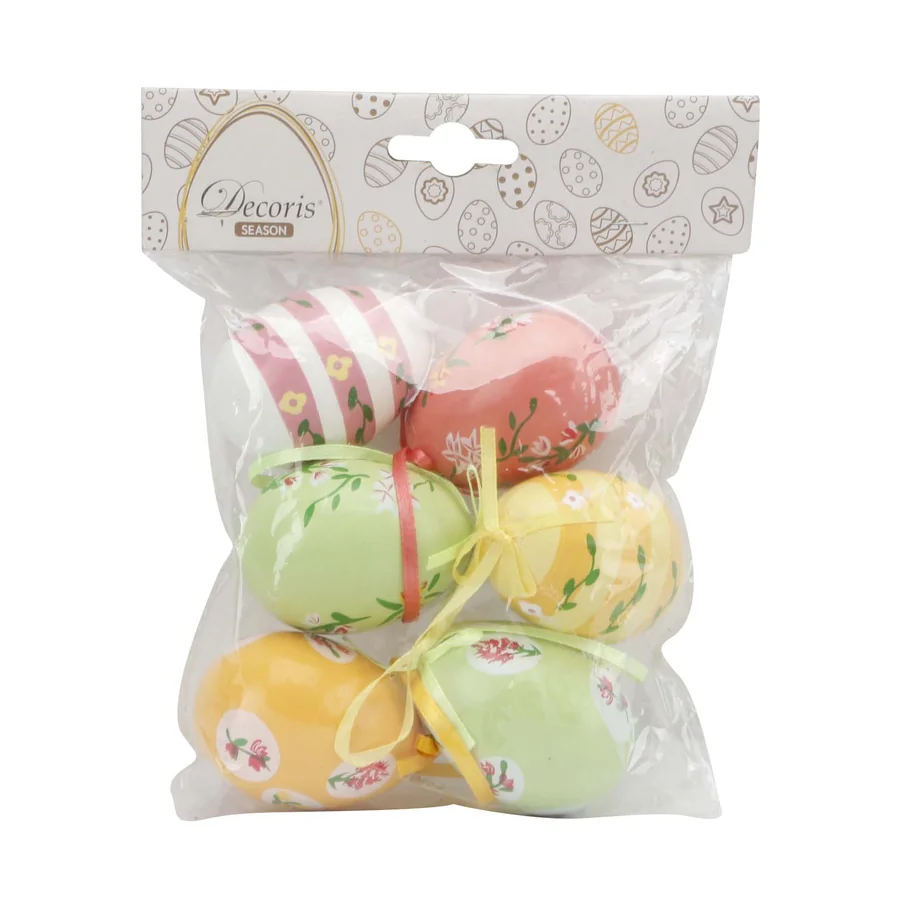
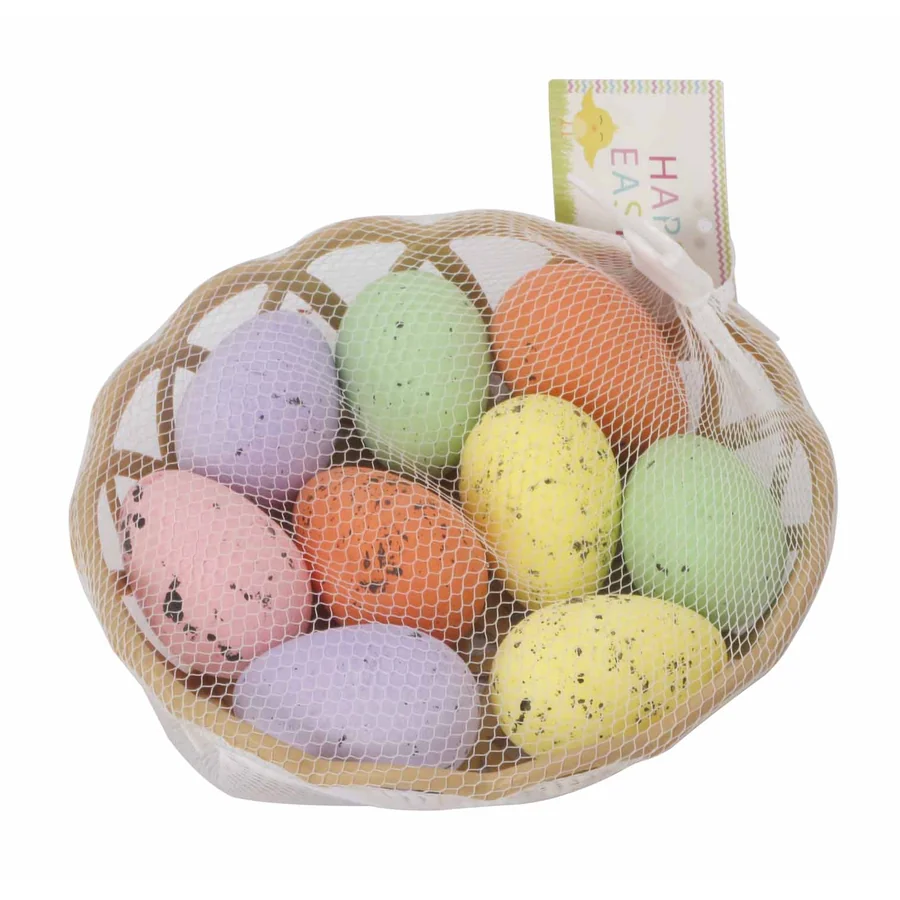
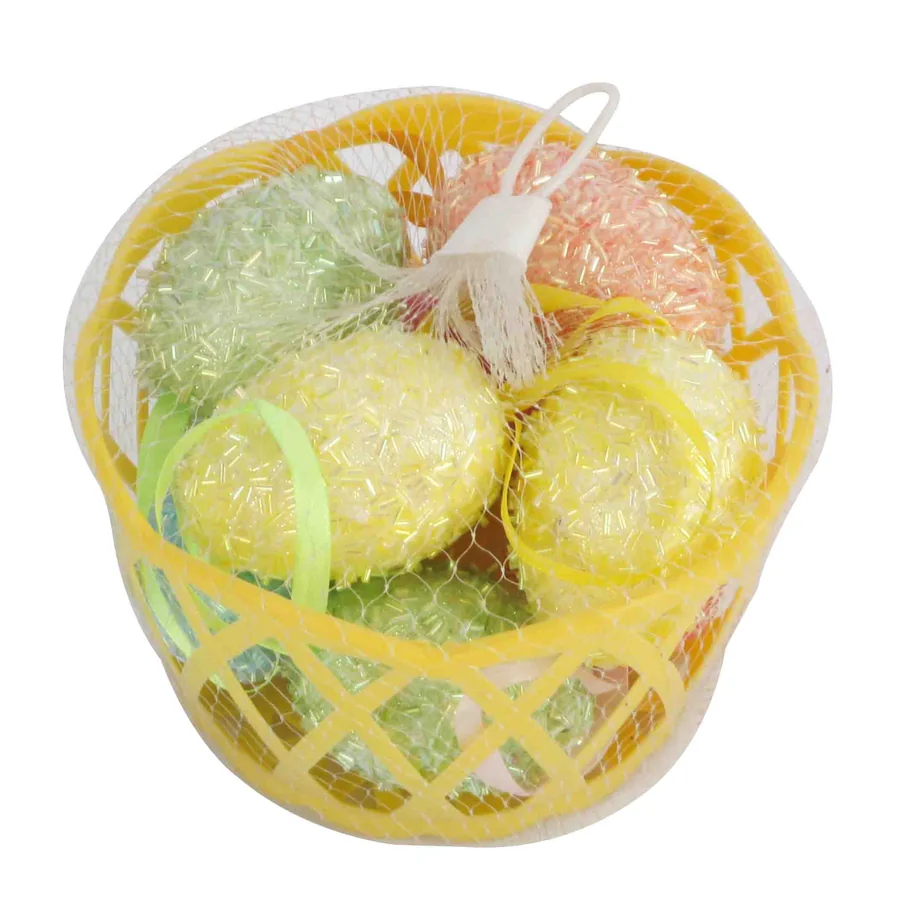
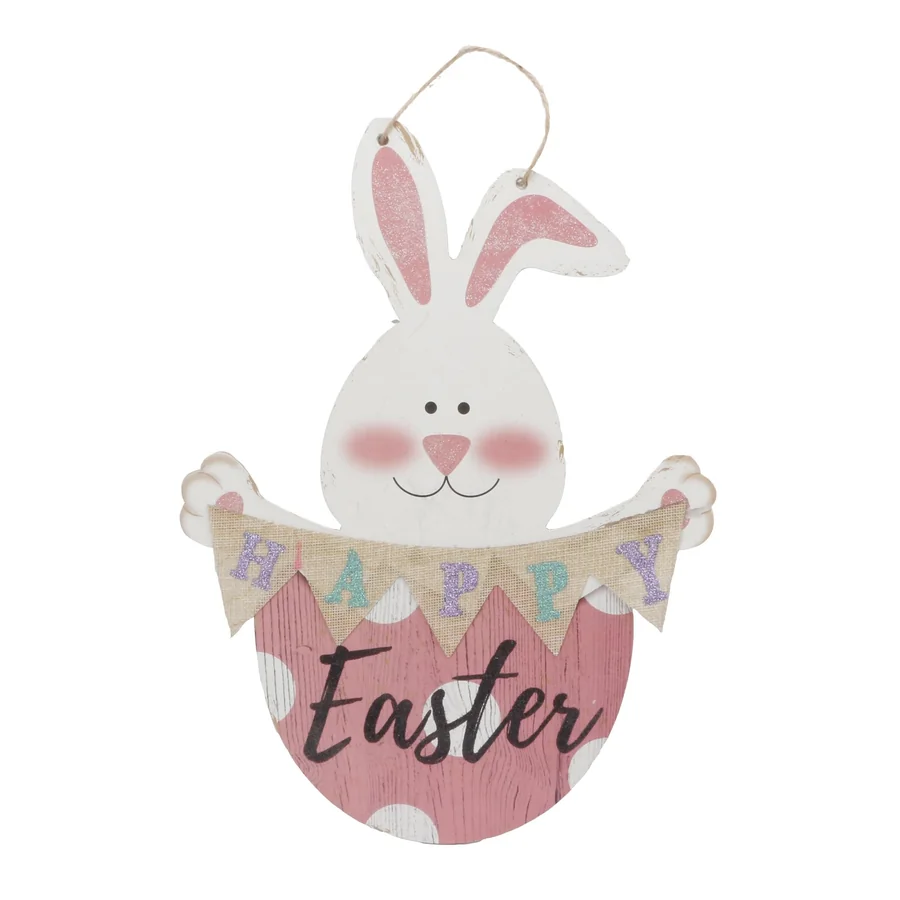
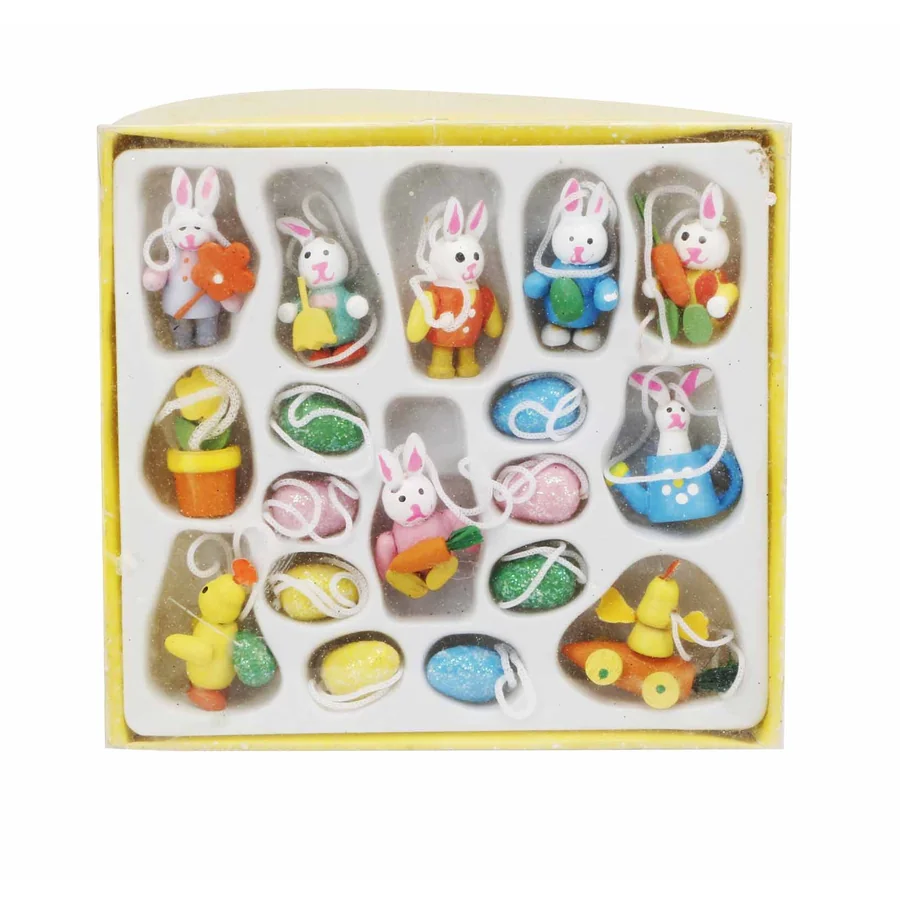
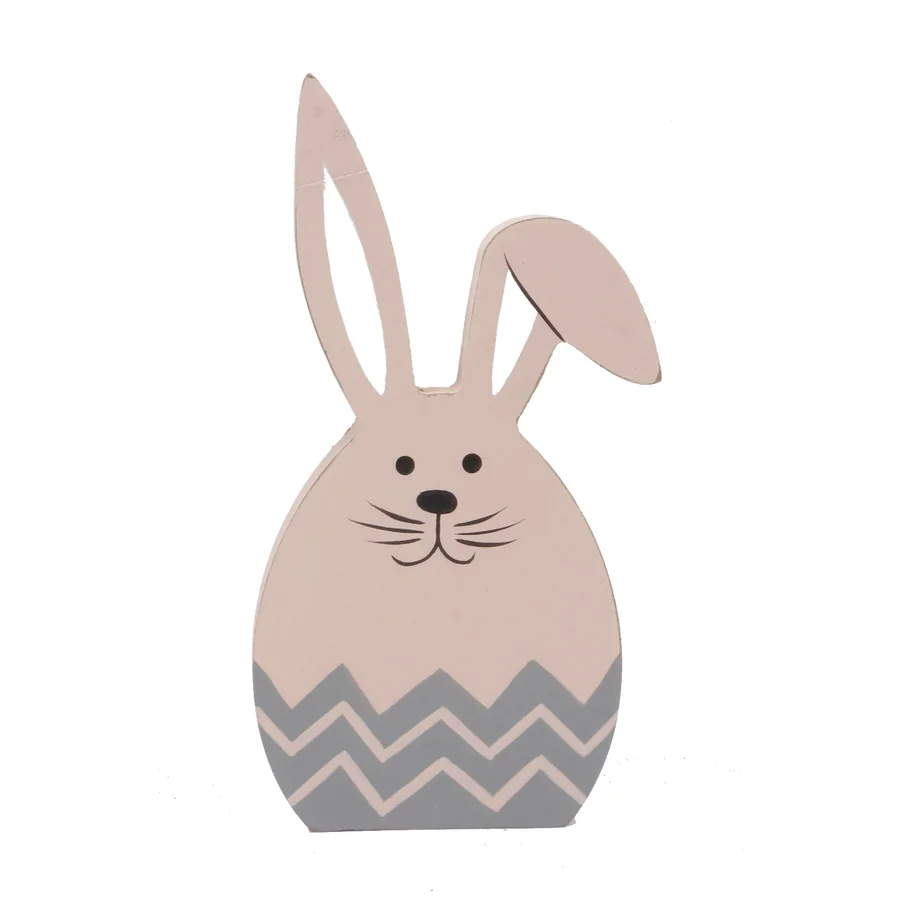
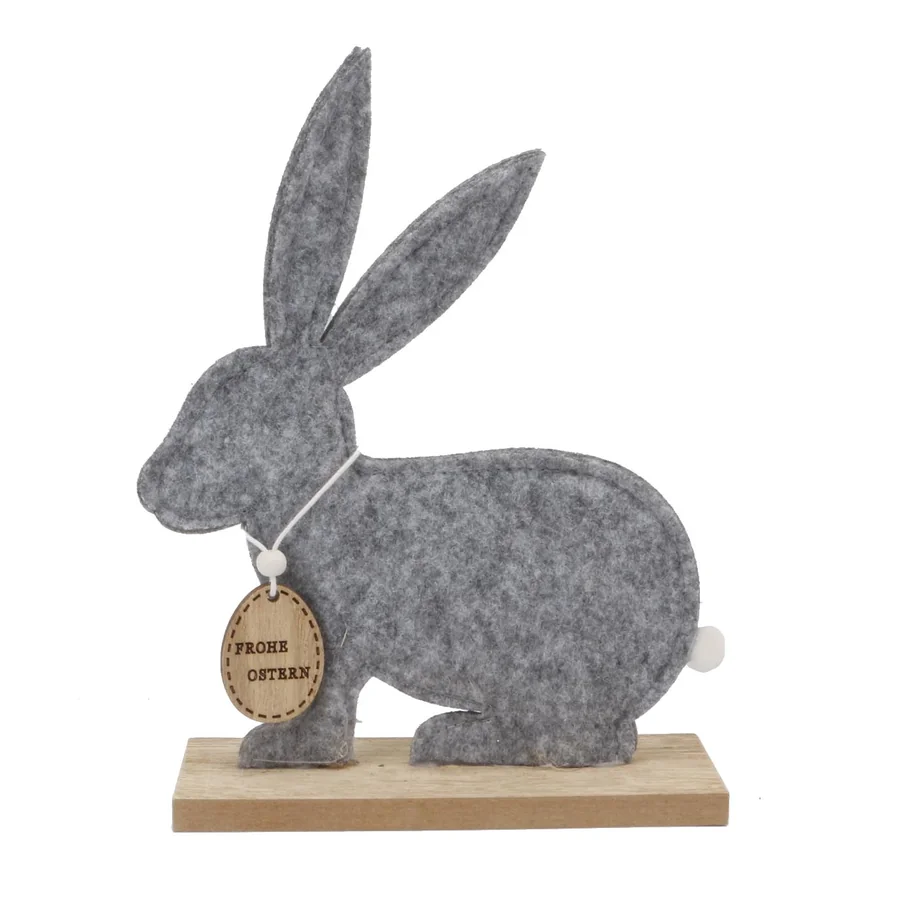
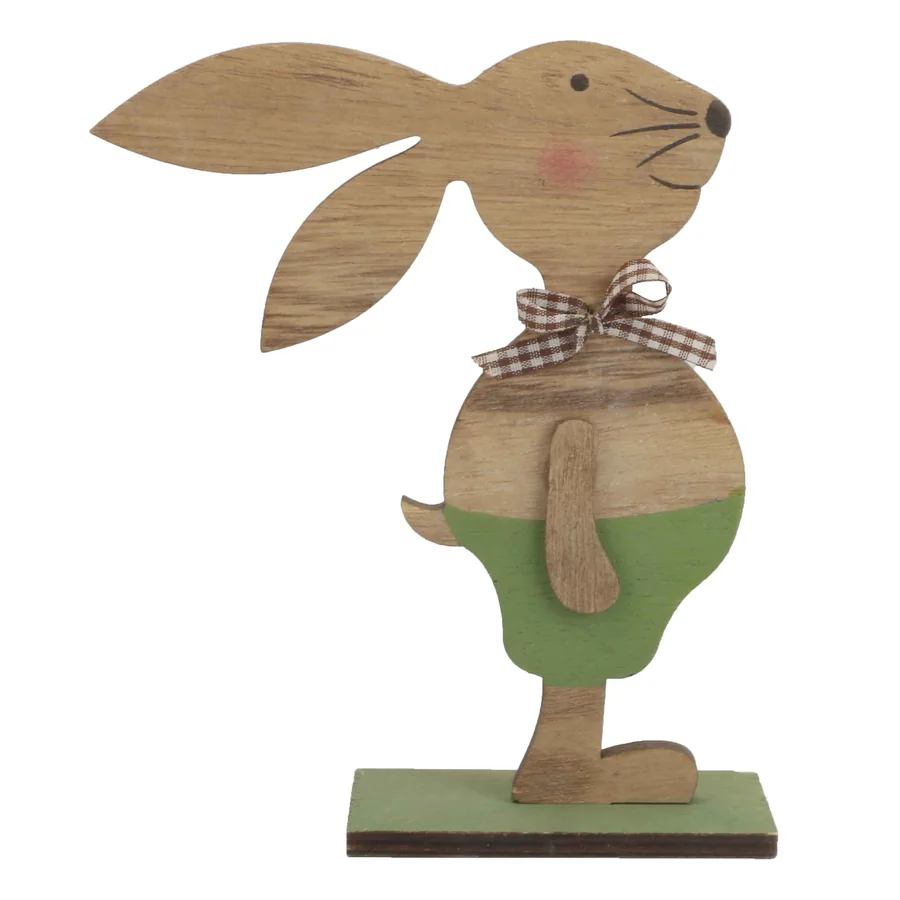
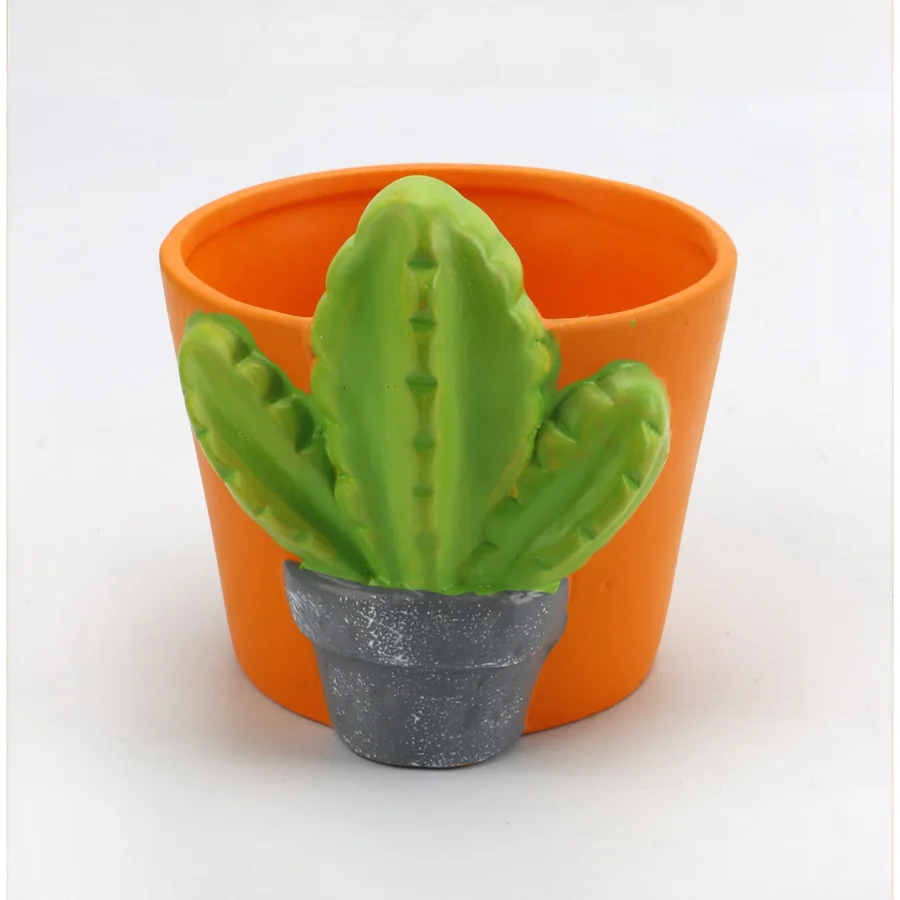
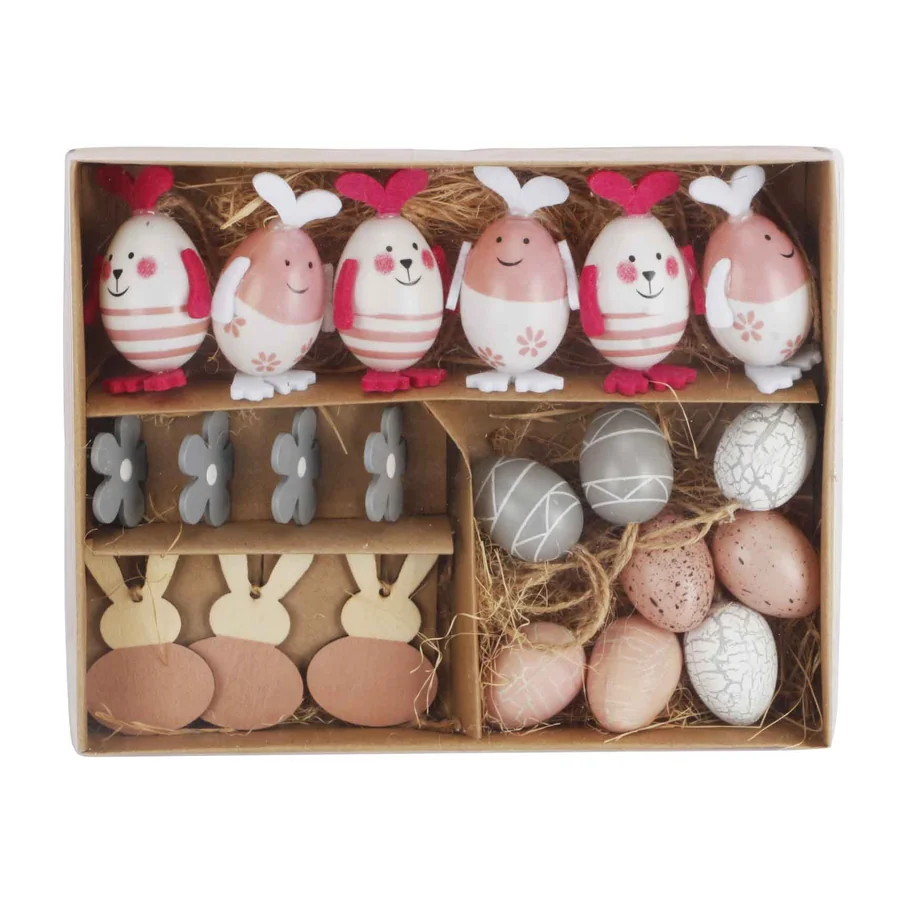
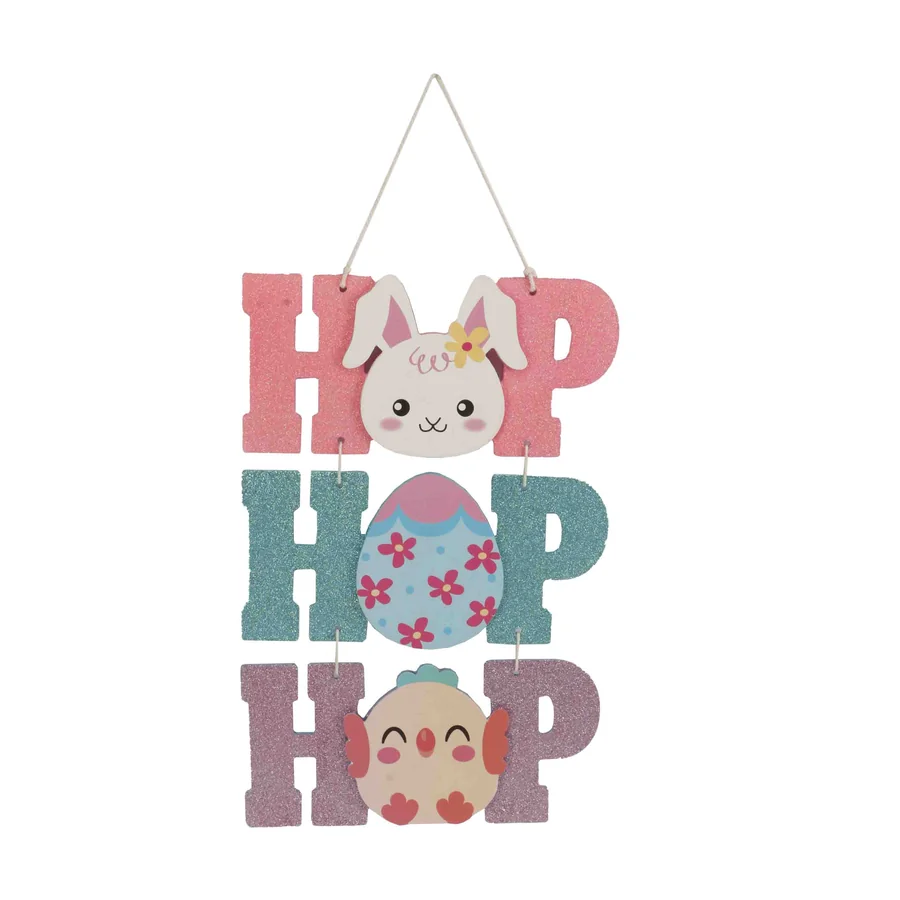
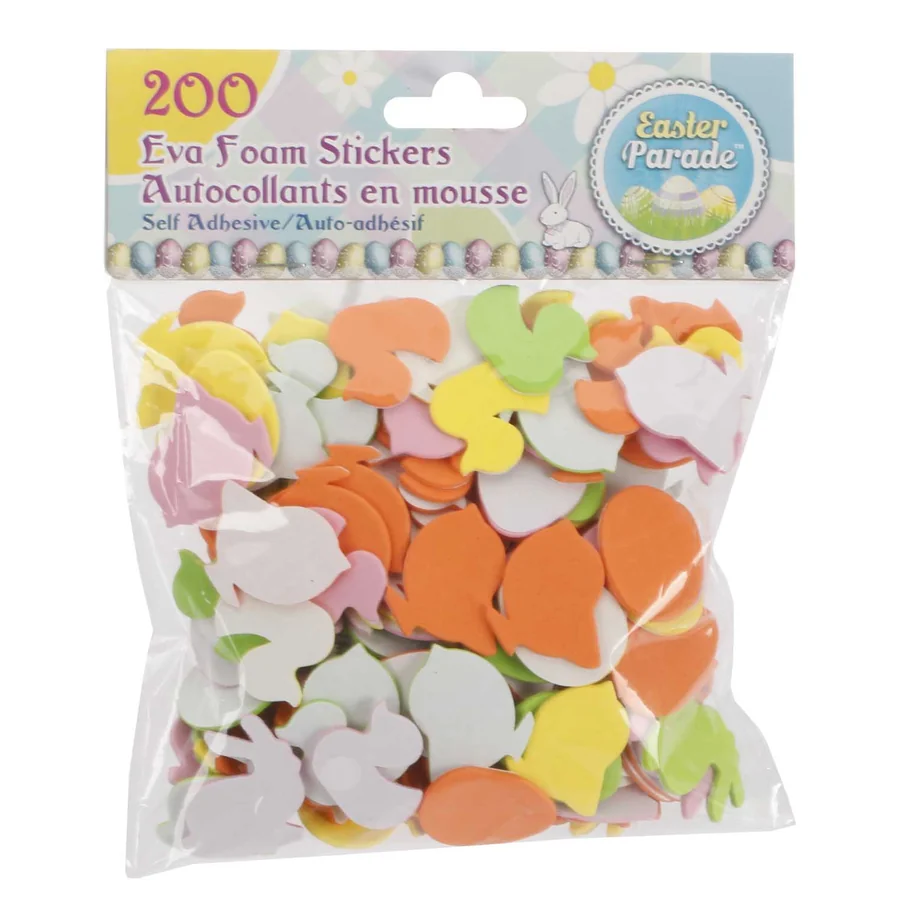
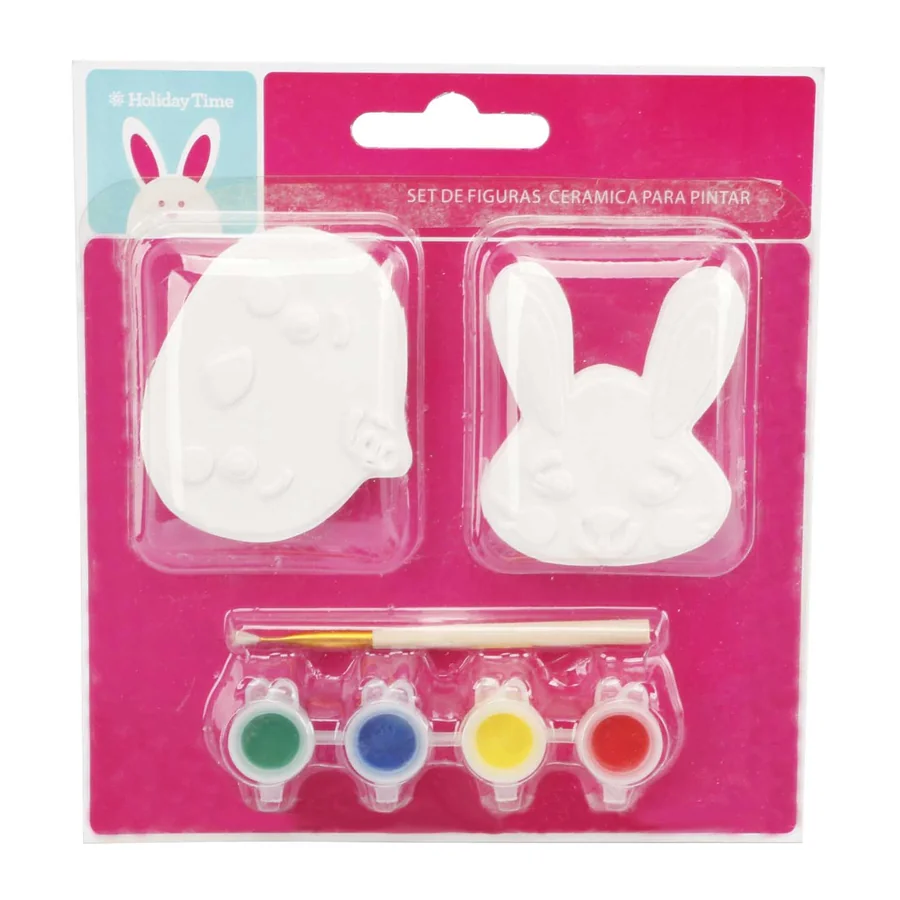
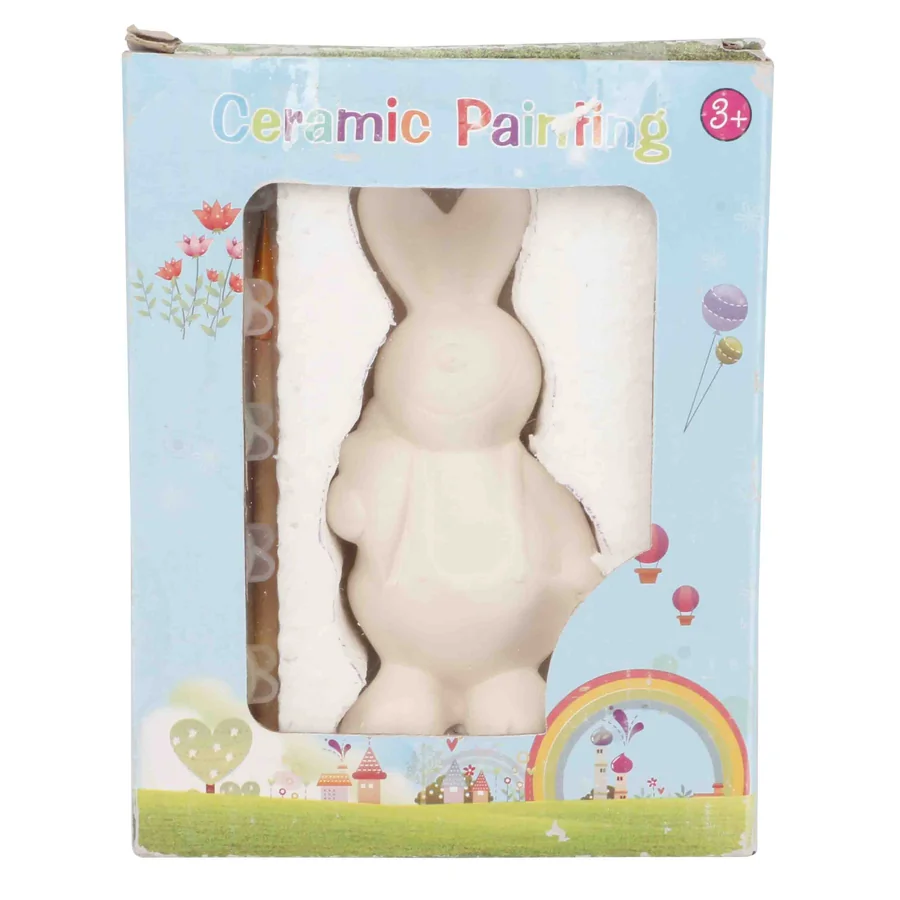
Ceramic and stoneware carry the mid and upper tiers: glazed bunnies, egg cups and serving pieces in clear, matte, reactive and hand-sponged finishes. The quality signals are glaze evenness, a flat and stable base, and a foot ring that does not scratch the surface it stands on. Resin and polyresin give the sculpted, hand-painted pieces that sell as gifts and as impulse buys - figures, egg trees and novelty animals - and the finish is judged on brush control, colour separation and the depth of the antique wash rather than from a photograph.
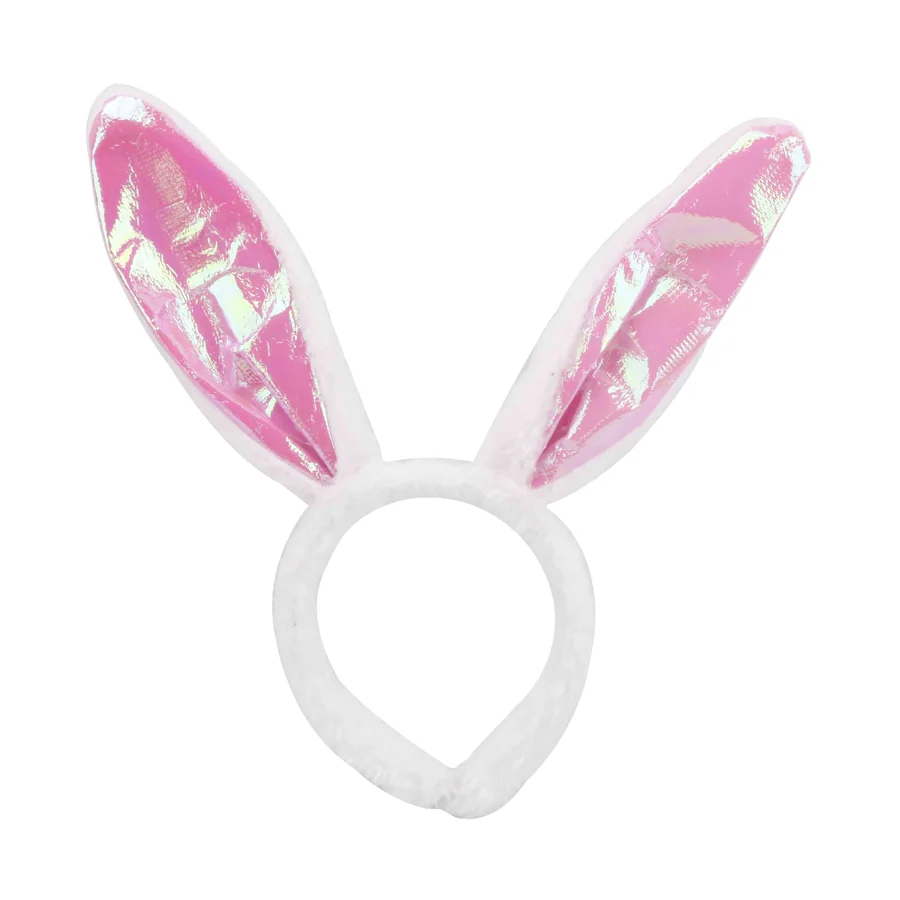
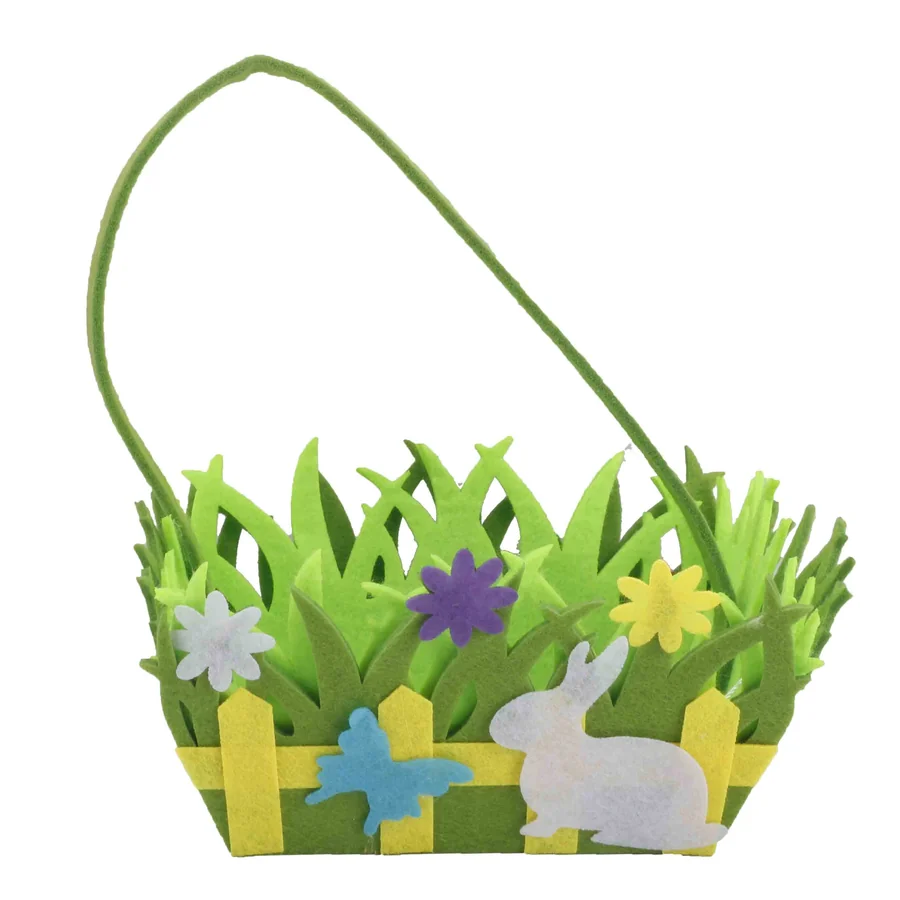
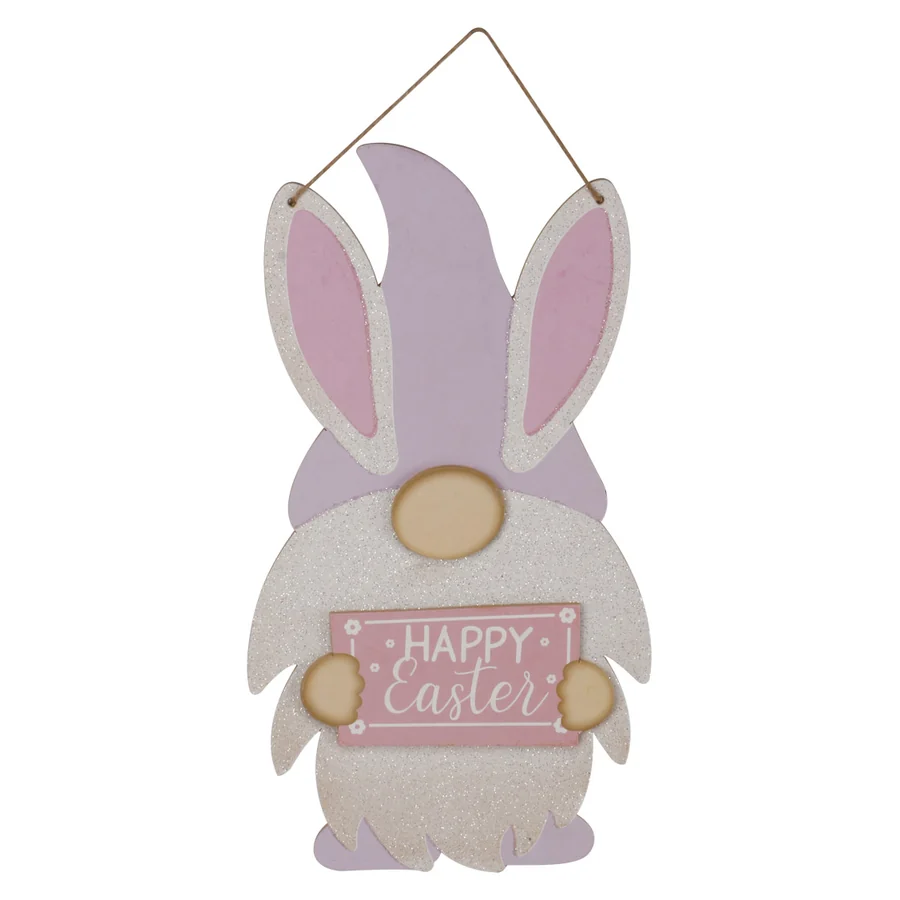
Wood, MDF and plywood cover the value end and the craft look: laser-cut hanging eggs, printed plaques and turned ornaments, in bare, stained or painted finishes. Fabric and felt handle the soft side of the range - bunny ears, bunting, fabric baskets and egg cosies - where stitch density, thread colour and the evenness of the fill decide how the piece looks once it is unpacked. Glass appears as hanging eggs, jars and small vessels in clear, tinted and frosted bodies, while paper and moulded pulp cover egg boxes, honeycomb shapes and printed tabletop items. Metal, usually tinplate or powder-coated steel, is used for buckets, tins and lantern frames.
Whichever material a design uses, the finish is approved on a physical pre-production sample, because glaze depth, paint tone and lacquer sheen all read differently on a screen and under retail light.
An Easter range is built from a small number of groups, and it is the mix that fills the aisle rather than any single hero piece:
Send the planogram or the shelf width you are buying for and we will propose a mix at defined price points rather than a list of unrelated pieces.
Easter is a children's season, so the compliance work is largely toy and decorative-safety work, and it has to be settled before production rather than at the port.
Shihm is a trading company rather than a testing laboratory, so we do not issue certificates: we work with partner factories, confirm the test route against your destination and your customer's specification sheet, and support third-party inspection and testing with a nominated laboratory on request, with the reports issued under that laboratory's name.
Ceramic and glass are the claim-risk materials in this range, so packing is designed before production and checked against a defined drop test rather than chosen at the end. Units are individually wrapped, cartons are interleaved and corner-protected, and fragile groups are kept to a carton weight a warehouse team can handle without dropping it. Baskets are nested to save cube, and textile groups are bagged so they arrive free of dust.
Because an Easter order is wide and shallow, it is almost always consolidated: decorative ceramic, textiles, wooden craft lines and food-contact tableware are weight-and-cube mixed into one container plan, so the freight is spread across several groups instead of being carried by one. Goods are loaded close to the shipping date rather than early, because a carton of ceramic that sits in a humid warehouse through the spring rains arrives with more mould and staining than one that goes straight from the line to the container.
Easter complaints cluster around a small set of predictable faults, and each one has a control point:
Every lot is inspected against the approved pre-production sample before loading, and the inspection report travels with the shipping documents.
Start from the shelf and the price ladder, then work back to the specification. A programme that carries a whole aisle usually runs three tiers: an entry tier of small egg ornaments, wooden blanks and hanging pieces that gives volume at a low unit price; a mid tier of ceramic figurines, baskets and tableware that gives the shelf its shape; and a small gift tier of resin or hand-finished pieces, often boxed, that lifts the average order value. Keeping the entry tier on stock shapes is what keeps sampling cost and minimum order quantities low enough to test a new idea inside a mixed container.
Two decisions matter more than the design list. First, decide the theme and the colour direction once - pastel, neutral or bright - because a range that mixes three palettes looks like a remainder bin, while one palette carried across ceramic, fabric and wood reads as a bought collection. Second, treat tableware and decoration as one order: the egg cups, the plates and the figurine on the same shelf should share a finish, and buying them together is the only way to guarantee that.
A standard programme takes eight to ten weeks end to end: seven to ten days for counter samples, thirty to forty-five days for production after deposit and twenty-five to thirty-five days sea freight. New moulds, custom ceramic shapes or a bespoke print add fifteen to twenty days at the sampling stage.
Easter is a movable date, which is why it is quoted against the actual calendar rather than against a month:
Tell us the shelf date at the start and we will work backwards from it and confirm the last acceptable order date in writing, together with the production and sailing dates that make it achievable.
What is your MOQ for Easter decorations? From 500 pcs per design on stock shapes; 1,000-3,000 pcs where custom moulds, custom ceramic or a bespoke print are involved.
What are your lead times for an Easter order? Seven to ten days for counter samples, thirty to forty-five days for production after deposit, plus twenty-five to thirty-five days sea freight to Europe or the US East Coast.
When do I have to place my Easter order to hit the shelf? For Easter 2027 (28 March) confirm by September-October 2026 and sail by early December 2026; the last order date is 15 November 2026 for stock shapes and 15 October 2026 where new tooling is needed.
Can you match our colour palette or our own sample? Yes. Send a physical sample or a Pantone reference and we will confirm the match on a pre-production sample and keep the approved piece as the reference for production.
Are your products tested for children's safety? Where a piece is intended for play we test to EN 71-1/-2/-3 and the Toy Safety Directive for the EU and to ASTM F963 and CPSIA for the US, including small-parts and lead checks, and we confirm the age grading on the finished product.
Is your tableware food-contact safe? Egg cups, plates, mugs and trays are produced to the food-contact rules of the destination market - EU 1935/2004 and 10/2011, LFGB or FDA 21 CFR - with ceramic lead and cadmium release checked to the relevant standard.
Can you supply the whole range on one container? Yes. Ceramic, textiles, wooden craft lines and tableware are weight-and-cube mixed into one loading plan, which is how a wide and shallow Easter range stays economic to ship.
Do you do gift packaging and our own branding? Yes - printed and etched labels, gift boxes, hangtags, dust bags and retail cartons, worked to your own artwork and dieline.
How do you pack ceramic and glass for export? Individual wrapping, interleaving, corner protection and a master carton designed against a defined drop test, with print-ready packing for e-commerce sellers.
How do we start an Easter programme? Send reference images, your target retail price points and the shelf date; we will come back with factory options, a sample timetable and a landed cost estimate.